


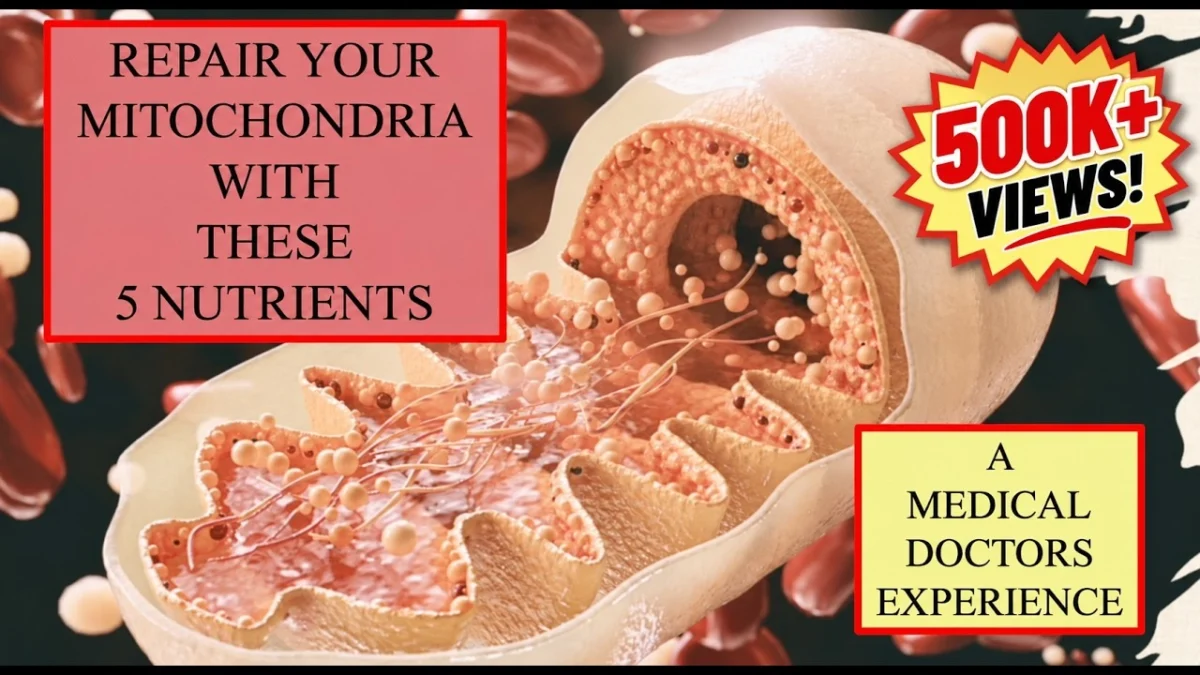
Mitochondria—the microscopic powerhouses nestled inside nearly every cell of the human body—do far more than simply keep baseline biological processes running. According to clinical experts, these cellular engines determine how well an individual ages, how much daily vitality they experience, and whether their system is adequately protected against a broad spectrum of chronic diseases.
Dr. John Kaiser, a physician with nearly four decades of hands-on experience treating complex, stubborn chronic conditions, has made mitochondrial health the absolute cornerstone of his medical practice. In a recent video presentation, Dr. Kaiser outlined five essential nutrients that he frequently prescribes to support optimal mitochondrial function and cellular repair. Furthermore, he explained why actively protecting these microscopic energy producers is far more critical to long-term health than most people realize.
The medical community is increasingly turning its attention toward cellular energy production as a missing link in modern medicine. What follows is a comprehensive look at Dr. Kaiser’s clinical protocol, the underlying biochemical science supporting it, and what peer-reviewed research actually reveals about the intersection of cellular health, longevity, and disease prevention.
Why Mitochondrial Health Matters
From a purely biological standpoint, most human beings are born with robust, highly efficient mitochondria. However, the relentless wear and tear of daily life takes a heavy toll over the decades.
Viral infections, prolonged chronic stress, exposure to environmental toxins, and physical or psychological trauma accumulate insidiously over time. This compounding burden gradually degrades mitochondrial structure and function. Eventually, cellular energy production falters, leading to a critical breakdown in biological resilience.
When this energy deficit occurs, the consequences can be severe. Insufficient cellular energy production has been closely linked by researchers to a wide array of serious medical pathologies, including oncological developments, neurodegenerative disorders, and autoimmune conditions.
Furthermore, Dr. Kaiser identifies a specific clinical category he refers to as acquired mitochondrial diseases. These are debilitating conditions that strike individuals much earlier in life, encompassing complex profiles such as chronic fatigue syndrome, fibromyalgia, long COVID, and early-onset autoimmune disorders. Despite their diverse presentations, all of these conditions share a common underlying thread: profound mitochondrial dysfunction.
The Five Key Nutrients for Mitochondrial Support
To combat cellular fatigue and restore energetic output, Dr. Kaiser’s therapeutic protocol centers on five specific nutrients. Each has been carefully chosen for its distinct biochemical role in energy generation, internal detoxification, or structural cellular repair.
The first key compound in the protocol is N-Acetylcysteine (NAC), typically prescribed at a dosage of 600 milligrams once or twice daily. NAC serves as a direct biochemical precursor to glutathione, widely recognized as one of the body’s most potent endogenous antioxidants. Glutathione is absolutely essential for systemic detoxification and safeguarding mitochondrial membranes against the ravages of oxidative stress.
As Dr. Kaiser notes, glutathione is critical because it is utilized by the body to synthesize glutathione peroxidase, a highly complex enzyme system deployed for internal detoxification. Clinically, NAC has a long-established history of use in emergency medicine for treating acetaminophen overdoses, where it plays a vital role in restoring liver mitochondrial function that has been severely compromised by the drug. Modern scientific studies consistently confirm NAC’s ability to boost intracellular glutathione levels and mitigate oxidative damage, particularly in disease states characterized by high levels of mitochondrial stress.
The second nutrient in the protocol is Acetyl-L-Carnitine, recommended at 500 milligrams once or twice daily. This specialized amino acid derivative acts as a biological transport system, shuttling fatty acids directly across the mitochondrial membrane where they can be oxidized and burned for energy. Utilizing fat as an energy substrate is exceptionally efficient; gram for gram, lipid oxidation yields double the energetic output of glucose or protein.
Clinical investigations highlight the compound’s therapeutic potential. Double-blind, placebo-controlled trials conducted with elderly populations have demonstrated that acetyl-L-carnitine supplementation can significantly alleviate both physical and mental fatigue. A landmark 2007 study published in the American Journal of Clinical Nutrition found that administering acetyl-L-carnitine to centenarians improved overall vitality and cognitive endurance, findings that were subsequently replicated by a second trial published in the Archives of Gerontology and Geriatrics.
Alpha-lipoic acid (ALA), recommended at 200 milligrams once or twice daily, forms the third pillar of the regimen. ALA is an exceptionally versatile antioxidant capable of regenerating other vital antioxidants within the body, including vitamins C and E. It also functions in direct biochemical harmony with acetyl-L-carnitine.
Seminal research led by Dr. Bruce Ames and his scientific colleagues demonstrated that combining alpha-lipoic acid with acetyl-L-carnitine in aging animal models successfully restored youthful mitochondrial function, improved physical appearance, and enhanced both brain and liver performance. While animal trials have yielded highly encouraging results, human clinical data remains more targeted. ALA has demonstrated clear benefits in managing diabetic neuropathy and reducing systemic oxidative stress, though large-scale human longevity trials continue to evolve.
Coenzyme Q10 (CoQ10), also known as ubiquinone, is integrated into the protocol at a dosage of 200 milligrams once or twice daily. CoQ10 plays an indispensable role in cellular respiration by shuttling electrons along the inner mitochondrial membrane, a mandatory step for adenosine triphosphate (ATP) production. This compound is heavily concentrated in tissues with immense energy demands, most notably the human heart.
In clinical investigations involving patients scheduled for open-heart surgery, individuals who supplemented with CoQ10 for two weeks prior to their procedures showed superior myocardial contractility and cellular resilience during biopsies compared to the placebo group. CoQ10 supplementation is already widely accepted for supporting cardiovascular health, particularly in cases of heart failure and statin-induced myopathy, a condition where cholesterol-lowering medications inadvertently deplete natural bodily stores of the compound.
The fifth and final primary nutrient is vitamin C, administered at 1,000 milligrams once or twice daily. Described by Dr. Kaiser as the granddaddy of all antioxidants, vitamin C protects cells from destructive oxidative radicals, fortifies immune system responsiveness, and facilitates tissue healing. While vitamin C does not directly drive the mitochondrial machinery, it operates in powerful synergy with the other antioxidants in the protocol, blunting the oxidative burden that drives long-term mitochondrial decline.
The Synergy Factor and Clinical Evidence
Dr. Kaiser stresses that these five primary mitochondrial nutrients achieve their maximum clinical efficacy when paired with foundational micronutrients, such as B-complex vitamins, magnesium, zinc, selenium, and vitamin D. These co-factors serve as essential catalysts for the enzymatic reactions that allow the specialized mitochondrial nutrients to operate at peak efficiency.
The historical roots of this combined protocol date back to the 1980s and 1990s, an era when early antiretroviral medications for HIV induced severe, life-altering mitochondrial toxicity in patients. Seeking a solution, Dr. Kaiser tested his targeted nutrient combination in a rigorous, multi-center, double-blind, placebo-controlled clinical trial involving HIV-positive patients suffering from profound drug-induced mitochondrial damage.
The results of the trial, published in the Journal of Acquired Immune Deficiency Syndromes, revealed a statistically significant increase in CD4 immune cell counts among participants taking the supplement combination, serving as a reliable marker of restored immune strength. Patients assigned to the placebo group exhibited no such improvements. While this specific trial was conducted within a distinct patient population experiencing drug-induced cellular trauma, it provided foundational insight into how targeted nutritional therapy can rescue failing cellular machinery.
For individuals exploring these therapies today, clinicians note that while taking multiple individual components can seem burdensome, several specialized manufacturers now produce comprehensive formulations that combine these exact ingredients into single doses. Whether utilized to address the complex challenges of chronic fatigue, age-related decline, or simply to optimize daily physical and mental performance, supporting mitochondrial health represents a fundamental shift toward enhancing human vitality at the most microscopic level.