
In the high-intensity world of combat sports, a fighter’s gear can mean the difference between a successful training session and a costly, painful trip to the emergency dental clinic. For martial artists, boxers, and participants in various full-contact disciplines, mouthguards represent an indispensable piece of protective equipment. As athletes step onto the mats or into the ring, safeguarding their teeth, gums, and jaw from devastating impact injuries remains a paramount concern. Yet, despite the universal consensus on the necessity of mouth protection, athletes frequently find themselves divided at a critical crossroads: choosing between custom-made mouthguards and the widely accessible boil-and-bite alternatives.
Navigating this decision requires a careful evaluation of several competing priorities, including comfort, protection levels, overall cost, and long-term durability. While every athlete shares the common goal of preventing physical trauma, the path they choose to achieve that security often depends on their budget, experience level, and the intensity of their training regimen. Understanding the nuances of these two primary options provides critical insight into how martial artists manage safety in sports where impacts to the head and face are an everyday reality.
Why Mouthguards Are Crucial for Martial Artists
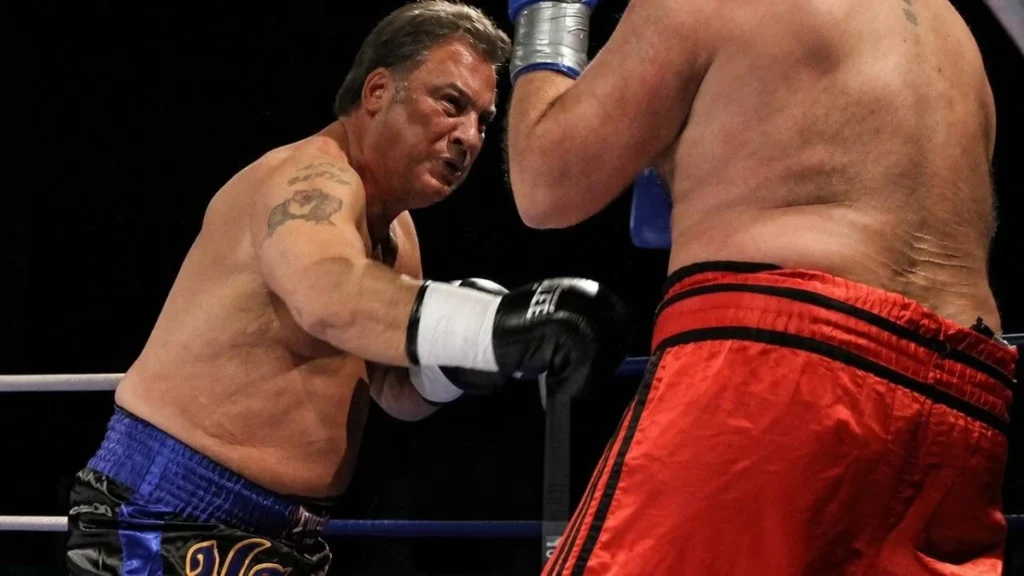
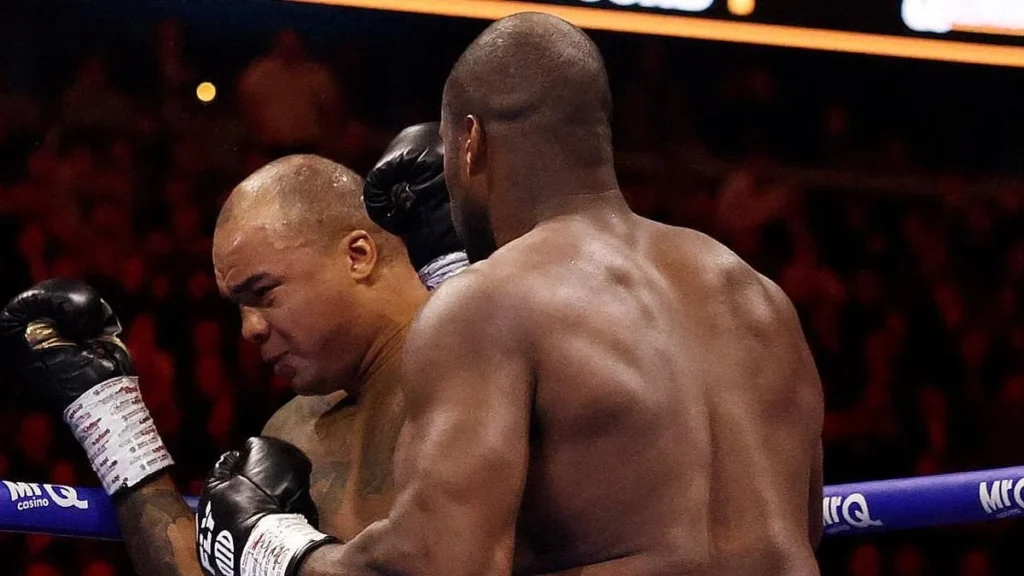
Before examining the specific differences between mouthguard varieties, it is vital to recognize the sheer magnitude of the threat facing practitioners of contact sports. Combat sports inherently expose athletes to a remarkably high risk of oral injuries. The rapid exchange of punches, powerful kicks, and unpredictable accidental collisions can easily shatter teeth, lacerate delicate gum tissue, and fracture the jawbone. A properly fitted and resilient mouthguard significantly mitigates the danger of broken teeth, torn lips, and severe jaw trauma.
Beyond localized dental protection, extensive sports science research has demonstrated that wearing a mouthguard can actively help reduce the severity of concussions. By functioning as a physical buffer, a quality mouthguard absorbs a portion of the kinetic impact force that would otherwise transfer directly to the skull, brain, and neck during a heavy strike.
Mouthguards operate fundamentally as shock absorbers, effectively distributing the destructive energy of an impact across a much larger surface area to minimize localized trauma. For martial artists training intensively in striking arts such as boxing, Muay Thai, and mixed martial arts, where direct blows to the head occur continuously, wearing a mouthguard is an absolute requirement rather than a matter of personal preference. Even ground-focused grapplers participating in Brazilian Jiu-Jitsu or amateur wrestling face frequent risks from inadvertent head clashes, stray elbows, and sudden scrambles, making mouth protection a wise safeguard against painful and expensive dental damage.
Given the substantial stakes involved, selecting the correct mouthguard is a critical administrative and personal choice for any serious athlete. This reality brings the ongoing debate between custom-designed mouthguards and boil-and-bite alternatives into sharp focus.
Boil-and-Bite Mouthguards: Pros and Cons
Among the most prevalent options found in sports retail stores and utilized by athletes across a diverse array of athletic disciplines are boil-and-bite mouthguards. Their widespread popularity stems from a combination of affordability, high retail availability, and the provision of a foundational level of protection. The descriptive name of these guards derives from their unique preparation method. Users submerge the plastic material in boiling water to soften it, remove it to cool slightly, and then bite down firmly to mold the pliable material to the contours of their teeth and gums.
For athletes who are just beginning their martial arts journey or individuals operating under strict financial constraints, boil-and-bite mouthguards frequently serve as a practical temporary solution. They offer immediate accessibility without requiring a visit to a specialist. However, despite their convenience and low financial barrier to entry, these mass-produced devices may fall short as a long-term solution for individuals engaged in rigorous, high-intensity martial arts training where superior retention and optimal shock absorption are necessary.
Custom Mouthguards: Pros and Cons
In direct contrast to retail alternatives, custom mouthguards are meticulously fabricated by dental professionals, engineered specifically to match the exact anatomical architecture of an individual’s teeth and jaw structure. This bespoke manufacturing process ensures a level of precision, comfort, and protection that mass-market products simply cannot replicate. Naturally, this superior engineering and professional oversight come with a substantially higher financial investment.
The primary advantages of custom mouthguards center on their unparalleled fit and security. Because they are molded directly from a dental impression or digital scan, they adhere snugly to the upper jaw, staying firmly in place even during exhaustive sparring sessions or sudden impacts. This secure fit allows athletes to breathe and communicate much more easily compared to bulkier, generic alternatives. Conversely, the primary drawback remains the cost, as professional dental fabrication can be expensive, and the process requires time for manufacturing rather than offering an immediate off-the-shelf purchase.
While custom mouthguards represent the gold standard for serious martial artists and professional competitors who refuse to compromise on safety and performance, the financial hurdle can deter casual participants. Nonetheless, for practitioners deeply committed to long-term training within high-impact disciplines, the investment in a custom-fitted guard is widely regarded as a prudent and necessary health decision.
Which Mouthguard Should You Choose?
When the time comes to select the right mouthguard, the final decision ultimately hinges on an athlete’s specific requirements, financial parameters, and degree of involvement in contact sports. Beginners, casual hobbyists, and individuals managing tight budgets will find that boil-and-bite mouthguards provide adequate basic protection at an accessible price point. Their inherent convenience and ease of home-fitting make them an ideal starting point for newcomers testing the waters in martial arts or other physical disciplines.
Conversely, dedicated martial artists and those who regularly step into the competitive arena for high-impact sports like mixed martial arts generally discover that a custom mouthguard is well worth the upfront expenditure. Although the initial financial outlay is significantly higher, the advantages of superior retention, enhanced daily comfort, extended durability, and maximized impact reduction offer a far safer environment for prolonged training. The advanced capacity of a custom guard to dissipate shock waves effectively lowers injury rates and instills greater confidence during fierce sparring exchanges.
Ultimately, the choice balances the triad of cost, protection, and comfort. Prioritizing personal safety and maximizing performance during intense training sessions points toward the custom route. Meanwhile, those requiring an immediate, economical stopgap can rely safely on boil-and-bite models until their training intensity or financial readiness prompts an upgrade to professional-grade protection. Recognizing the distinct advantages and limitations of both options remains an essential step for any athlete committed to preserving their long-term health and athletic longevity.