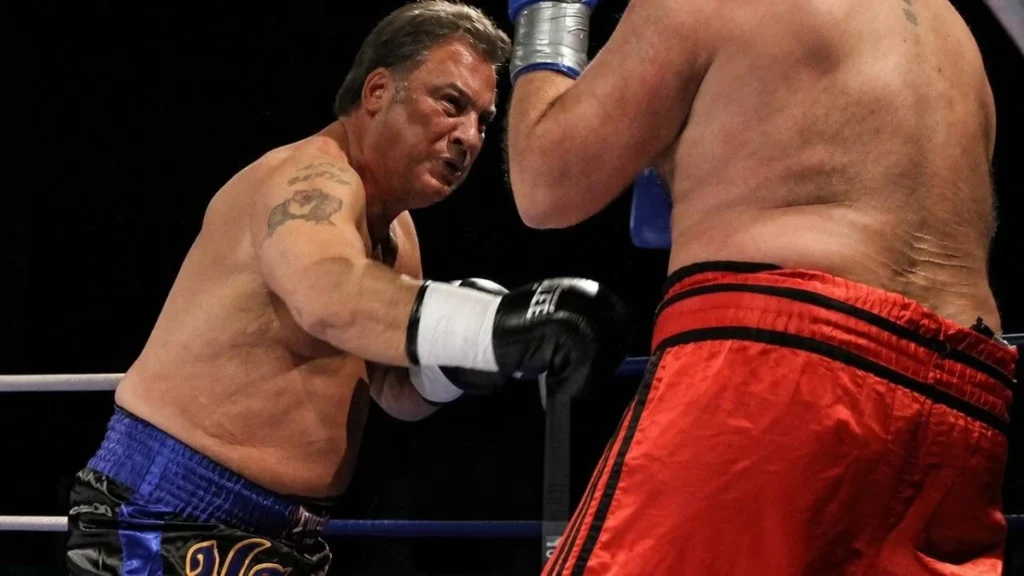


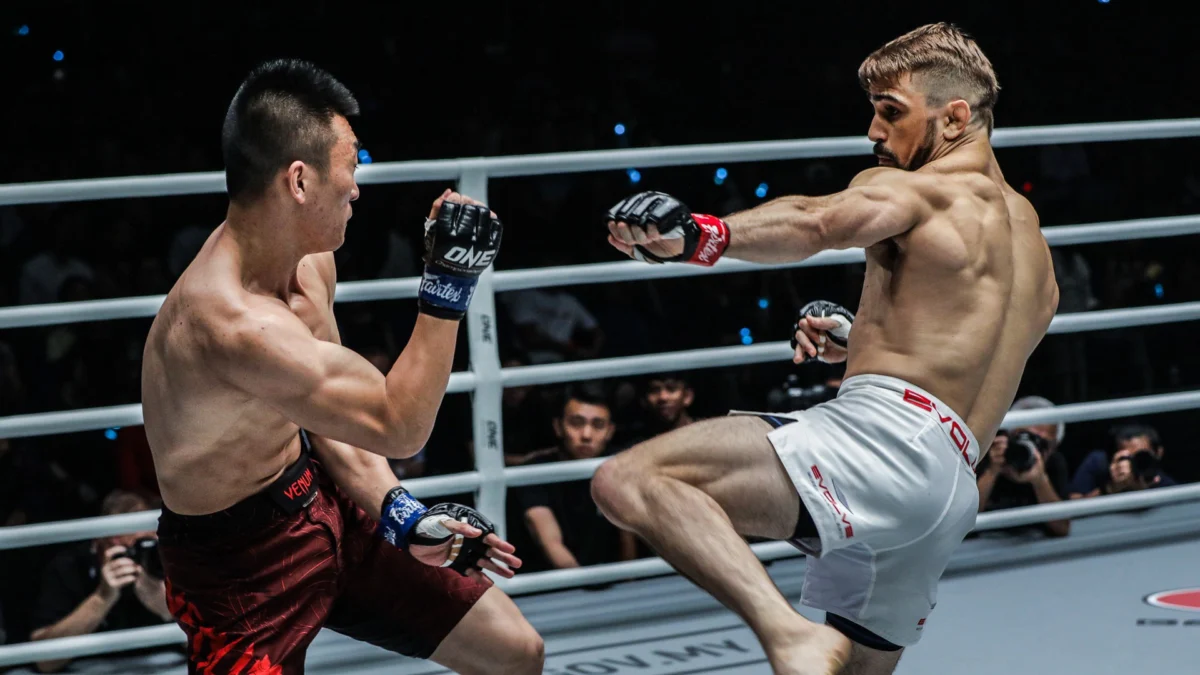
Long a point of frustration and derision for seasoned mixed martial arts coaches and tactical analysts alike, mixed martial artists competing on the global stage simply do not pay enough attention to the fundamentals of effective bodywork. In a modern era of combat sports where the spectacular is constantly sought after by aggressive headhunters and athletes looking for a short night at the office—often treated as if it were some kind of common currency—sustained work to the body tends to be dismissed as something unfashionable or secondary.

This oversight is not merely a shame; at times, it borders on the baffling. The majority of favorable tactical opportunities that can organically arise from investing even a modest amount of energy into bodywork would genuinely surprise many fighters who spend the entirety of their training camps visualizing Hollywood-style one-punch stoppages and highlight-reel head-kick knockouts. While flashy finishes certainly capture the public imagination and secure bonus checks, they are very often the product of foundational work that has already compromised an opponent’s physical integrity beneath the chin.

Aside from presenting a fighter with the golden opportunity to systematically drain an opponent’s gas tank, slow their lateral movement, or even stop them then and there with the precise application of the right technique, adding consistent body punches and kicks to an offensive arsenal fundamentally alters the geometry of the bout. It makes a competitor a much harder puzzle to figure out. The complex setups that eventually lead to those glamorous, career-defining finishes are significantly enhanced if a wary opponent is forced to actively anticipate a sharp teep to the midsection or a crunching hook to the ribcage, rather than blindly bracing solely for the looping overhand or the flying knee that ultimately switches their lights out.
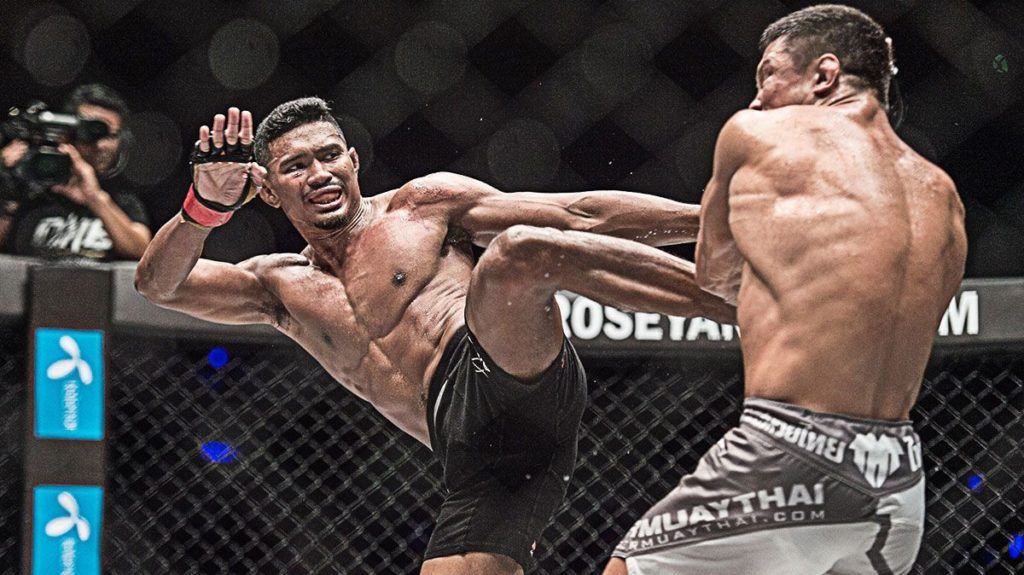
Examining the strategic philosophy behind targeting the midsection reveals why legendary fighters across various organizations have long sworn by the axiom that if you take the body, the head will naturally follow.

The Evolution and Reality of Body Strikes in Mixed Martial Arts
Unlike traditional professional boxing, where the rules strictly restrict offensive bodywork to punches delivered with gloved fists, a mixed martial artist operates in a much broader tactical landscape. An elite practitioner also possesses the immense benefit of throwing powerful kicks, structural knees, and occasionally even close-range elbows to the midriff. While elbow strikes to the body from unpredictable angles remain a relative rarity due to the specific positional control required to land them effectively, the overall palette of available weaponry is vast.

When historians and fight analysts think back on legendary competitors who frequently and successfully integrated bodywork into their mixed martial arts game plans, several prominent names immediately come to mind. Icons such as Max Holloway, Nick Diaz, Jon Jones, Eddie Alvarez, and Bas Rutten all placed a profound, unwavering emphasis on attacking the body. These athletes understood that combat sports are a war of attrition, and that depositing cumulative damage into the torso pays massive dividends in the championship rounds. After all, the enduring philosophy that compromising the midsection forces the opponent’s hands to drop—thereby opening up the head for decisive scoring—has worked wonders for countless champions throughout the long and storied history of combat sports.

In modern mixed martial arts, the sheer versatility of utilizing multiple striking tools simultaneously gives thoughtful fighters numerous avenues to expose their adversaries to mounting danger.

The Diverse Arsenal of Midsection Attacks
The most common and effective body strikes utilized in mixed martial arts showcase the unique blending of disciplines that defines the sport today, drawing heavily from both Western boxing combinations and the devastating arts of Muay Thai and kickboxing.

The hook to the body remains one of the most reliable tools for volume-based strikers. Max Holloway, the former UFC featherweight champion, is widely recognized as a premier purveyor of bodywork within the grueling environment of the Octagon. As a tireless volume puncher blessed with a seemingly infinite gas tank, Holloway routinely throws punches in bunches, mixing his targets fluidly. His punishing body shots are, for the most part, executed seamlessly as the finishing sequence of extended combinations or unleashed dynamically when a turtled opponent is tightly shelling up against the safety of the cage wall.

Similarly, veterans like Nick Diaz long subscribed to a fighting philosophy that mirrored the old boxing adage of "putting money in the bank." Diaz would methodically invest in early bodywork, knowing that the structural deposits would yield exhausted opponents in the later rounds. Both Holloway and Diaz mastered the art of aiming high to go low, frequently feigning straight punches on the tail end of rapid combinations in order to suddenly dip, dig up, and drive hooks directly into the ribcage the moment an opponent’s defensive guard rose to protect their head.

Beyond boxing combinations, the long-range push kick, or teep, serves as a vital component of midsection management. Fighters blessed with exceptional physical reaches and long lower limbs consistently demonstrate greater success in executing and defending space through this technique. Jon Jones, widely regarded as one of the most naturally talented mixed martial artists to ever grace the sport, elevated the aesthetic and tactical value of the teep, making long-range body attacks look remarkably effortless.

Jones frequently employs the traditional Muay Thai teep as both a punishing offensive weapon and a reliable defensive barrier. Functioning precisely like a wooden spear driven directly into the midriff, the teep effectively halts an aggressively approaching opponent in their tracks, regularly stealing the wind straight from their lungs every single time the ball of the foot connects with the solar plexus or floating ribs. Beyond inflicting cumulative internal fatigue, the teep is routinely deployed to manage distance, backing an adversary up and anchoring them precisely at the desired range before the initiation of a heavy follow-up onslaught.

When distance closes further, the roundhouse kick to the body emerges as one of the most devastating weapons available in the cage. Unless an athlete has personally absorbed a powerful, shin-to-ribs roundhouse delivered by a conditioned professional, it is almost impossible to fully comprehend the sheer concussive and cardiovascular damage it inflicts. Legendary Muay Thai practitioners like Yodsanklai Fairtex and Saenchai established international blueprints for roundhouse dominance, heavily inspiring generations of mixed martial artists to relentlessly drill and perfect the skill. In high-level mixed martial arts competition, elite strikers such as Anthony Pettis and former champion Anderson Silva have famously utilized the roundhouse kick to the body with devastating aplomb, folding tough opponents who otherwise possessed iron chins.

Finally, close-range engagements offer perhaps the most brutal application of bodywork through the deployment of knees from the clinch. There are very few techniques within mixed martial arts capable of instantaneously draining the air from a fighter’s lungs and causing them to visibly wince in agony quite like a well-timed knee to the midsection. To successfully execute this, a fighter must first establish secure structural control and lock their adversary into a dominant clinch position. Any competitor lacking a deep technical understanding of clinch wrestling and dirty boxing inevitably becomes prime prey for a striker well-versed in the nuances of the position.

Once securely locked into a dominant structure, such as a double collar tie, an opponent is effectively placed at the mercy of sustained inside striking. To maximize the structural damage inflicted upon the ribs and abdominal cavity, knees can be driven upward with terrifying force. This specific method stands as one of the most grueling and punishing styles of bodywork utilized in the sport today, often breaking the morale of opponents who anticipated a purely stylistic contest of kickboxing at range.

Ultimately, integrating dedicated body attacks into a comprehensive training regimen provides immense, quantifiable benefits for any mixed martial artist striving to elevate their overall technical proficiency. For concrete proof of its enduring efficacy, one simply needs to look at the historical training philosophies of the sport’s greatest practitioners, all of whom recognized that true mastery inside the cage requires breaking an opponent from the inside out. With precise technical execution and a healthy awareness of the tactical risks involved in lowering one’s hands to throw inside, modern fighters can successfully revolutionize their approach and ensure their offensive output remains a multifaceted nightmare for anyone standing across the canvas.