
Ask anyone who watches fights regularly, and they will tell you that the moment the cage door shuts, something fundamentally shifts. You are no longer just a spectator sitting on the sidelines or cheering from a crowded living room. Suddenly, you have a read on the fight, an instinctive opinion on who takes it and by what method, and a quiet, persistent urge to back that read with something tangible. For a growing, highly engaged share of combat sports fans across the globe, that urge now inevitably ends on a betting slip, transforming the way enthusiasts interact with mixed martial arts, boxing, and other combat disciplines.
This intersection of combat sports and wagering is not a fleeting trend; it represents a mature, evolving ecosystem with distinct regional personalities. While the United States has experienced an explosive, high-stakes financial boom following sweeping regulatory changes, the United Kingdom has approached the phenomenon through the lens of generational familiarity, emphasizing restraint, value, and micro-wagers. Together, these contrasting markets illustrate a broader cultural shift in how modern fans consume high-intensity athletic competition, turning passive viewers into active participants who analyze everything from striking efficiency to takedown defense.
How British fight fans learned to bet small
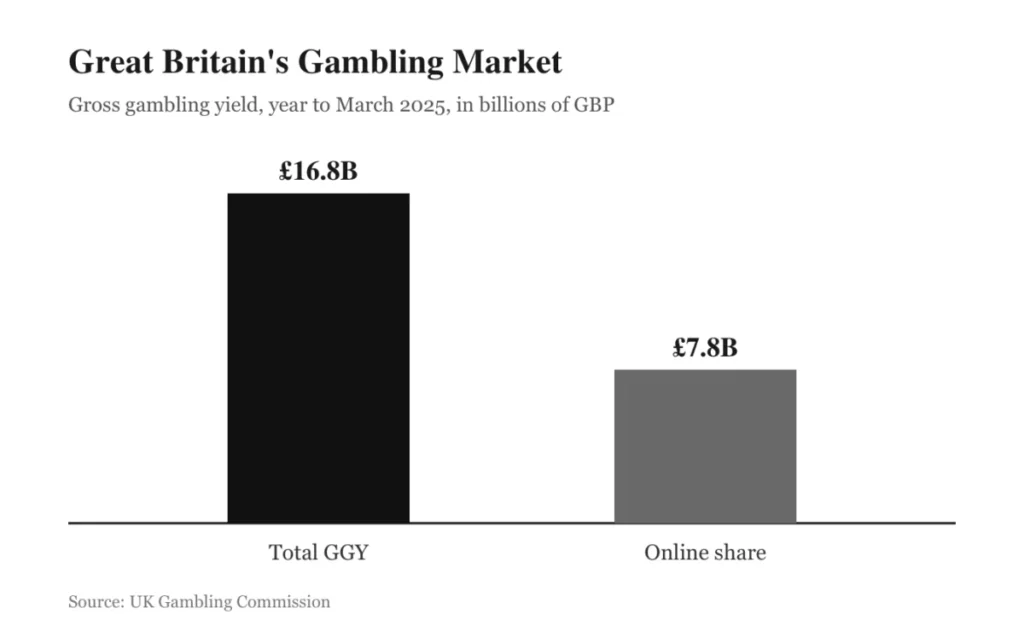
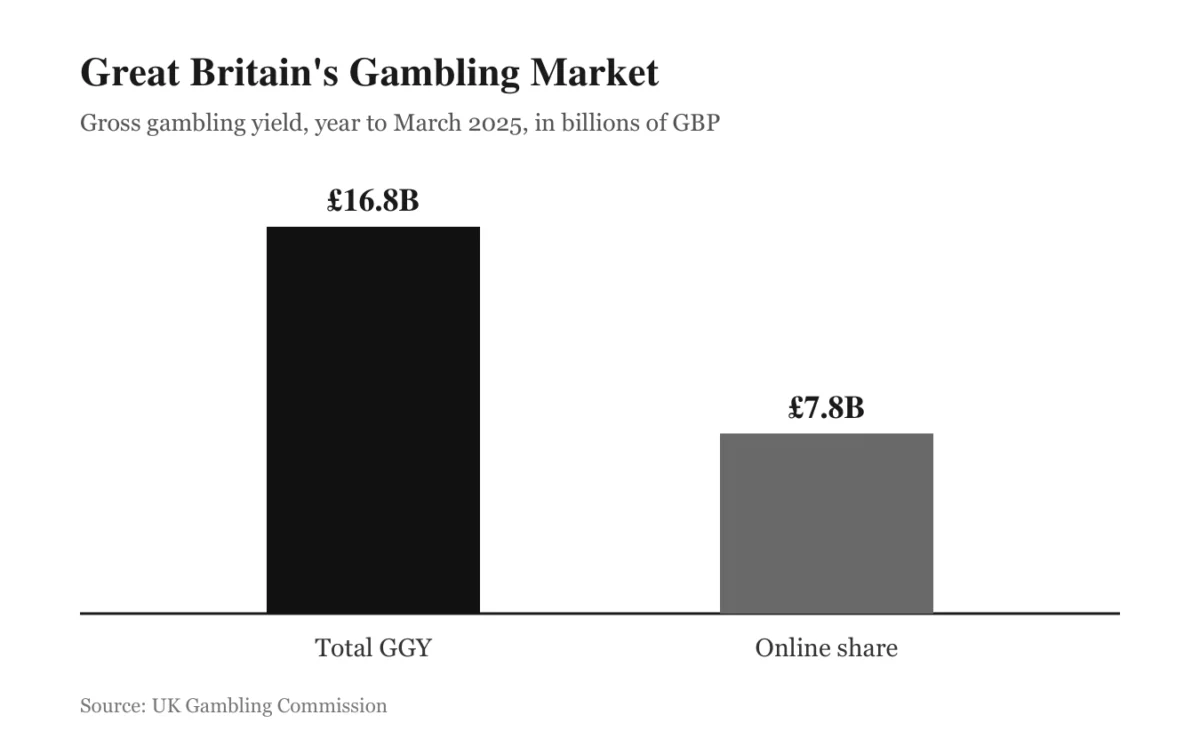
Britain has lived alongside sports betting for generations, deeply embedding wagering into the social fabric of the nation’s sporting culture. Because the industry is mature, the habits surrounding it have had decades to settle into predictable patterns. The scale of the market remains steady rather than explosive, bolstered by rigorous and tightly enforced regulatory frameworks. According to official figures published by the Gambling Commission, Great Britain’s broader gambling industry produced a gross gambling yield of approximately 16.8 billion pounds in the year leading up to March 2025, with online play alone accounting for 7.8 billion pounds of that total.
What this institutional and cultural maturity ultimately produces is a distinct sense of restraint among everyday consumers. Experienced British fight fans understand instinctively that you do not need to risk a large financial stake to thoroughly enjoy a complex, multi-fight card. A significant portion of the appeal sits firmly in the small, carefully considered wager—the kind of modest financial investment that makes an early preliminary card fight genuinely compelling to watch rather than an afterthought on the way to the main event.
This consumer mindset explains why so many British enthusiasts gravitate toward low deposit betting sites when they want to follow several disparate cards across a single month without tying up substantial sums of money. The prevailing instinct among these bettors is to shop around carefully, compare prices and odds across different platforms for the exact same fight, and keep their individual stakes modest enough that an unfortunate night of predictions costs nothing that truly matters to their daily lives.

Played with this mindset, sports betting remains what it was always intended to be: a harmless bit of extra psychological interest layered on top of a sport you already love. In practice, this means setting a strict, unyielding budget before the fighters even begin their walkouts, treating any financial losses simply as the routine cost of entertainment, and having the discipline to step back immediately if it stops being fun. Legal wagering in the region remains strictly for adults aged 18 and over, and the better regulated operators ensure that consumer protection tools, such as deposit limits and self-exclusion timeouts, are exceptionally easy to find and utilize.
The American betting boom
Across the Atlantic Ocean, the story of sports betting has moved at a vastly different, far more accelerated pace. Following the dismantling of federal restrictions on sports wagering, the United States has seen a massive influx of capital, technology, and mainstream media integration. Americans legally wagered an estimated 119.8 billion dollars on sports in 2023. Just a year later, that staggering figure climbed to 149.9 billion dollars. By 2025, the market expanded further, reaching roughly 166.9 billion dollars in total wagers, while overall commercial sportsbook revenue surged by more than 22 percent in a single calendar year, according to comprehensive data from the American Gaming Association.
Combat sports have carved out a meaningful, highly lucrative slice of that massive American story. A premier Ultimate Fighting Championship card delivers precisely what modern sports bettors crave: a rigidly structured calendar of marquee events, clear and unambiguous one-on-one matchups free of complex team variables, and an exceptionally deep menu of proposition markets that extend far beyond simply picking an outright winner.
Options like predicting the precise method of victory, betting on specific rounds, or wagering on whether a grueling five-round war will go the distance transform a casual watcher into someone with real, emotional and financial skin in the outcome. You can watch that palpable fan interest play out in real time through the way betting lines shift dramatically during fight week. Detailed coverage tracking how the odds moved before marquee events like UFC Freedom 250 demonstrates just how quickly public opinion and sharp money harden once significant funds begin arriving at the sportsbooks.
Why the fights suit it so well
Part of this seamless integration is structural, rooted in the very nature of combat sports compared to traditional team leagues. A standard American football weekend or soccer Saturday spreads fan attention thinly across dozens of simultaneous fixtures, diluting the focus of any single viewer. In stark contrast, a major combat sports card funnels all of that collective energy and anticipation into one cage, one ring, and a relatively small handful of recognizable names.

Before the opening bell, there is a rich tale of the tape to read, intense training camps to weigh, and distinct fighting styles that either clash violently or effectively cancel each other out. Fans who already spend their leisure time on internet forums and social media arguing passionately about reach advantages, grappling exchanges, and takedown defense are already halfway to forming an informed opinion worth backing financially. This intrinsic analytical depth is precisely why combat sports converted so readily and enthusiastically when regulated betting markets finally opened their doors.
The fight after the fight
Combat sports and the betting industry have essentially grown up together in the modern era, and their shared bond now looks permanent and unbreakable. The American market brought unprecedented financial scale and mainstream normalization, while the British market injected a deeply ingrained culture of consumer value, caution, and regulatory restraint. Today’s global fan sits comfortably somewhere in between, meticulously reading the tale of the tape, evaluating training camps, and backing their personal judgment against the oddsmakers.
The real contest, as any seasoned veteran of the betting community will readily tell you, is ultimately the one you wage with yourself: possessing the psychological discipline to place wagers only on the fights you have actually studied, and retaining the strength of will to walk away entirely when you have not done your homework. Win that internal battle, and the betting slip remains a source of added pleasure rather than a looming problem, ensuring that the focus always remains squarely on the remarkable athletes performing inside the cage.