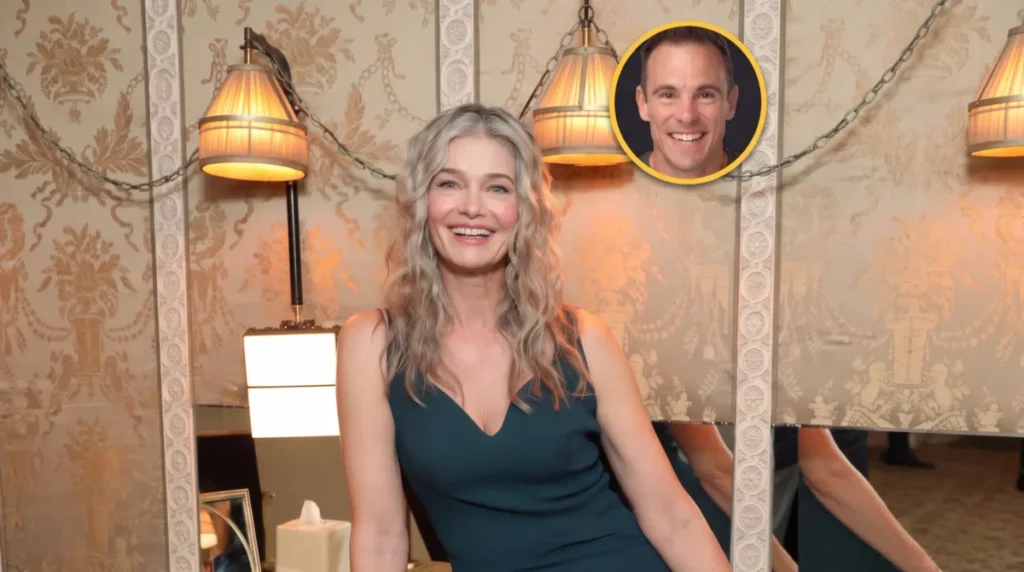


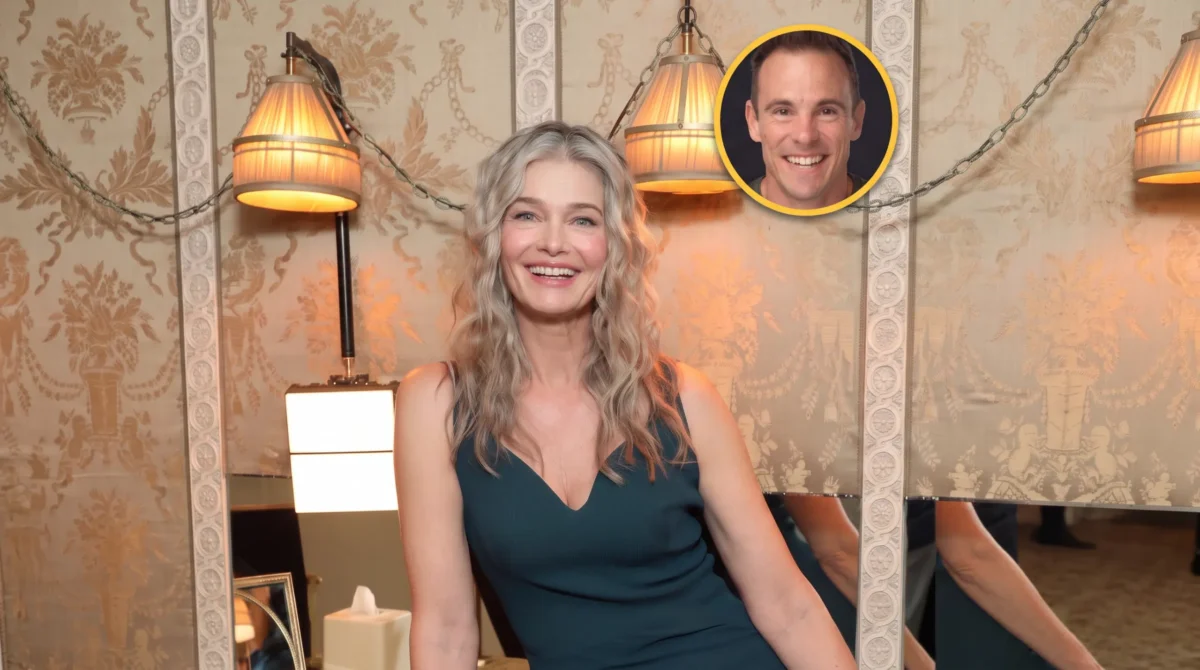
Paulina Porizkova discovered something unexpected when she finally committed to strength training in her 60s. It wasn’t just about looking better, nor was it about adhering to rigid industry standards that often govern the lives of former supermodels. Instead, it became an exercise in reclaiming her physical autonomy, managing chronic health challenges, and discovering a profound sense of well-being.
The 61-year-old supermodel recently opened up about her comprehensive gym routine in a candid Instagram post, revealing how lifting weights transformed not only her physique but her mental health and physical capabilities in ways she never anticipated. Her transparent confession about hating exercise—yet choosing to do it anyway—resonates deeply with anyone who has ever struggled to maintain consistency in a fitness routine. Porizkova proves that consistency does not require affection for the process; rather, it demands an understanding of the long-term rewards.
From Anxiety Relief to Physical Transformation
Porizkova did not begin working out until her 40s, and her initial motivation had nothing to do with aesthetics or maintaining a youthful appearance. She has been remarkably open about the psychological drivers behind her shift toward physical activity, noting that it became a vital tool for managing her mental health.
"I really used to hate to work out. And, so, I didn’t do it until I was in my 40s, and I realized that it really helped with my pretty severe anxiety," Porizkova shared with her followers.
At the same time, she has never shied away from acknowledging the secondary benefits of physical exertion, admitting honestly that it improved her physical appearance as well. Yet, maintaining that routine has remained an ongoing negotiation for the former "America’s Next Top Model" judge, who balances her discipline with a touch of humor. She readily admits that she still dislikes working out and would much rather be reclining on the couch reading novels.
Despite this preference, she goes to the gym three times a week. She recognizes a fundamental division in her self-care routine: while reading feeds her brain, strength training feeds her body.
The Workout Routine That Changed Everything
Porizkova’s approach to modern fitness is refreshingly practical, sustainable, and grounded in functional movement rather than fleeting trends. She commits to the gym three times weekly, structuring her schedule to alternate between upper body and lower body days, complemented by a dedicated full-body session.
Her regimen incorporates compound movements and targeted exercises, including hammer curls, cable pulls, deadlifts, pull-ups, and lunges. These are movements designed to build real-world, functional strength rather than isolated aesthetic gains. Guided by advice from medical professionals and fitness experts, she focuses on lifting heavier weights rather than relying on high-rep, low-weight routines that often yield minimal physiological changes.
To ensure a well-rounded program, she incorporates Pilates, which adds essential flexibility and core stability to her heavy lifting sessions. A crucial element of her physical transformation is professional oversight. Porizkova emphasized that she and her husband work alongside a qualified trainer who ensures they execute every movement with precision. By learning proper biomechanics, they protect themselves from potential injuries that could derail their progress.
Strength Over the Scale
One of the most striking revelations in Porizkova’s fitness journey is her relationship with the bathroom scale. Since committing to a serious strength-training regimen, she has gained 10 pounds. For many women, particularly in an image-obsessed culture, that number would trigger immediate anxiety or a drastic shift in diet.
Porizkova, however, celebrated the weight gain as undeniable evidence of her newfound strength, muscle density, and overall vitality. She noted that the additional weight represents muscle mass that empowers her rather than a number that diminishes her self-worth.
"What’s wonderful about it is, it not only helps my severe anxiety and makes me look better, but it also has made me a lot stronger," Porizkova said. "So, despite my 10-pound weight gain, I can dance the night away with people half my age."
She vividly demonstrated that exact capability by sharing video footage of herself dancing with boundless energy at a wedding for her son’s friend. Surrounded by guests decades younger than her, Porizkova effortlessly held her own on the dance floor, embodying the tangible benefits of functional strength.
Overcoming Physical Setbacks
What makes Porizkova’s fitness transformation truly remarkable is the extensive physical context in which it occurred. Her journey was not a linear path of easy progression; rather, it took place against a backdrop of significant medical hurdles and natural physiological changes.
Porizkova underwent bilateral hip replacement surgery following years of dealing with severe, debilitating joint pain. Concurrently, she navigated the complex landscape of menopausal weight gain—a universal challenge that affects countless women yet is frequently met with silence or inadequate guidance in mainstream wellness circles. Her husband, Jeff, simultaneously managed ongoing knee trouble, and both individuals navigate the persistent discomfort of arthritis in their shoulders.
Despite these layered obstacles, Porizkova reports that they have never felt better physically. She described reaching her sixties and realizing they are in the best shape of their lives as a genuine revelation. Navigating the aftermath of major joint surgery, hormonal shifts, and chronic inflammation, she has found a sense of physical peace that eluded her in younger years. They have never felt more at home and at ease in their bodies.
The Mental Health Connection
Porizkova’s emphasis on exercise as an essential management tool for anxiety aligns seamlessly with substantial scientific research examining the intersection of physical activity and psychological well-being. Regular resistance training has been shown to significantly reduce symptoms of anxiety and depression, stabilize mood, and enhance overall emotional resilience.
The biochemical and psychological mechanisms behind this are multifaceted. Physical exertion triggers the release of endorphins, promotes restorative sleep quality, enhances personal self-efficacy, and provides the psychological satisfaction of setting and achieving concrete goals. For someone managing severe anxiety, finding a reliable, non-pharmaceutical intervention can profoundly alter their daily quality of life.
Why Lifting Heavy Matters in Your 60s
Porizkova’s intentional focus on lifting heavy weights rather than engaging in token physical activity reflects current best practices in exercise science. As the human body ages, it naturally loses muscle mass through a process known as sarcopenia. This age-related decline accelerates noticeably after the age of 30 and becomes significantly more pronounced after age 60.
Engaging in progressive resistance training with challenging weights remains the single most effective method to maintain, protect, and even build muscle tissue later in life. Beyond purely visual considerations, preserving muscle mass carries profound implications for metabolic health, bone density, metabolic rate, and functional independence. Porizkova’s capacity to maintain stamina and balance for hours on the dance floor is a direct manifestation of this functional fitness, proving that physical vitality does not have to expire with advancing age.
The Importance of Proper Technique
Throughout her reflections on fitness, Porizkova repeatedly underscored the necessity of working with a qualified professional who can teach proper form. This emphasis extends far beyond maximizing athletic performance; it is a fundamental matter of safety, particularly for individuals recovering from major surgeries or managing chronic joint conditions like arthritis.
Improper execution of compound movements—such as placing undue strain on the lower back during a deadlift or compromising shoulder joints already vulnerable to arthritis during upper-body exercises—can lead to setbacks. By learning correct movement patterns from an experienced trainer, Porizkova avoided the compensatory habits that frequently result in injury. For anyone initiating a strength training program later in life, particularly those navigating post-surgical rehabilitation, professional guidance transitions from a luxury to an absolute necessity.
Redefining Fitness Success
Perhaps the most culturally significant aspect of Porizkova’s message is her deliberate redefinition of fitness success. She did not measure her progress by weight loss goals, dress sizes, or societal standards of youth. Instead, she chose to highlight pure capability: dancing for hours without exhaustion, feeling entirely comfortable in her skin, managing her anxiety without relying solely on medication, and maintaining complete independence following bilateral hip replacement surgery.
This fundamental shift in perspective—moving away from appearance-based metrics toward function, and from weight loss toward strength acquisition—offers a healthier and vastly more sustainable approach to physical wellness. It provides a vital blueprint for women navigating menopause and post-menopausal life, a demographic frequently underserved by traditional fitness advice.
The Fan Response
Porizkova’s radical honesty and vulnerability resonated powerfully with her audience across social media platforms, sparking widespread conversation among followers facing similar life stages and health milestones.
One representative comment captured the emotional impact of her message: "You are an inspiration. I’m looking at having a hip replacement down the road—am doing PT now to hold off for a bit. But looking at all you’re doing after having had both done, it gives me hope! Thank you!"
This overwhelming response illustrates the profound importance of authentic representation in discussions surrounding health and aging. Witnessing a public figure thrive athletically after major surgery, at an age when cultural narratives often predict physical decline, offers concrete encouragement to others navigating comparable challenges.
The Bigger Picture
Porizkova’s fitness journey arrives at a crucial juncture in contemporary conversations about aging, physical culture, and women’s health. Mainstream fitness media targeting older adults has historically emphasized overly cautious, gentle movement and basic weight maintenance rather than genuine, empowering strength building. While physical accessibility remains important, an overly conservative approach can inadvertently lower societal expectations regarding what older adults can safely and successfully achieve.
Porizkova demonstrates through her personal experience that deadlifts, pull-ups, and progressive heavy lifting are not exclusive to younger demographics. With appropriate supervision, customized progression, and patience, these exercises serve as essential tools for preserving quality of life, autonomy, and vitality across decades.
Her revelation of feeling entirely at home in her body—despite, and perhaps because of, the physical hurdles she has overcome—presents a narrative of aging that feels profoundly empowering rather than restrictive. It stands as a clear reminder that an individual’s peak physical conditioning is not necessarily confined to their past, but can be forged anew through intention, resilience, and the right approach to movement.