



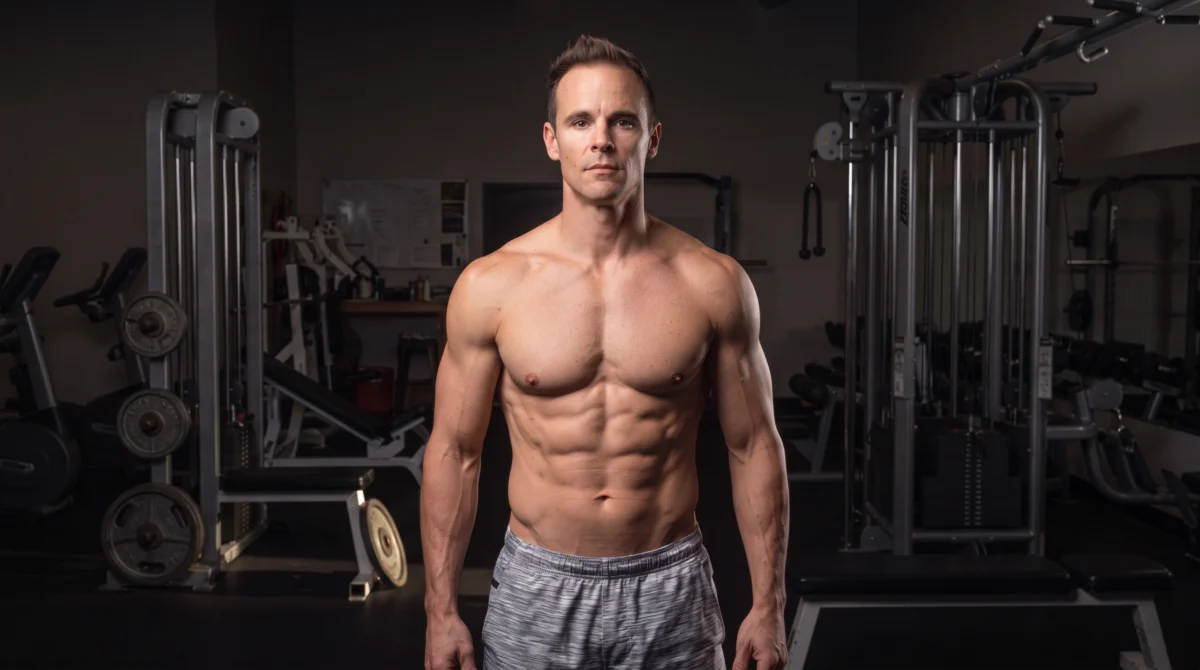
Hormones control far more than most people realize in daily life, governing not just muscle growth or fat loss, but energy levels, mental clarity, mood, and even how well an individual shows up for the people they love. That is the core message from a fitness coach and content creator who goes by the handle "Anabolic Priming," who recently delivered a comprehensive breakdown of what he calls the hormone-first approach to body transformation. Instead of grinding through seven gym sessions a week and slashing calories to unsustainable levels, he argues for a smarter strategy: optimizing the body’s internal systems so they can do the heavy lifting naturally.
"You should try to move less and eat more," he said during a recent discussion, openly challenging the conventional fitness wisdom of constant cardio and aggressive calorie restriction. According to his philosophy, most people attack health and fitness from the outside in by demanding more workouts, fewer calories, and relentless willpower. However, this strategy treats the human body like a machine that simply needs to be pushed harder rather than tuned properly to achieve optimal function.
The Problem With the External Approach
A lot of people who enter the health and fitness space are going about the process the wrong way by prioritizing brute effort over strategic execution. To illustrate this concept, the coach offers a financial analogy: trying to save your way to wealth instead of increasing your income. Working longer hours at a low-paying job will never build true prosperity as effectively as finding better-paying work that requires less overall time investment.
Similarly, excessive exercise and extreme calorie restriction may produce short-term results on the scale, but they are inherently unsustainable and often backfire by severely tanking metabolism and disrupting natural hormone production. When the body is subjected to relentless physical stress and energy deprivation, it eventually fights back, leaving individuals exhausted, moody, and prone to rebound weight gain.
Metabolism Isn’t Just About Movement
One of the central tenets of his philosophy is that calorie burn does not require constant exercise. As he frequently tells his clients, it is entirely possible to burn more calories regardless of formal exercise routines and daily energy expenditure. Many people feel chained to the arbitrary goal of hitting 10,000 steps every single day, operating under the constant fear that missing their daily step target will completely derail their health and fitness progress.
To prove his point, he points to a personal experience during a winter spent in upstate New York, where he successfully gained 15 pounds of muscle while simultaneously getting leaner. He achieved this transformation without the endless walking, without a treadmill desk, and with a training schedule limited to just three weight training sessions per week. The secret behind this seemingly counterintuitive result came down to one critical factor: thyroid health. When thyroid hormones are functioning optimally, the body’s resting metabolic rate increases naturally, allowing it to burn more energy even when a person is completely at rest.
The Thyroid: Master of Metabolism
Thyroid hormones, particularly T3, play a massive role in regulating metabolism, mood, focus, and overall energy levels. Rather than forcing the body into a severe calorie deficit by drastically slashing food intake, the coach advocates for raising overall metabolic output by supporting natural thyroid function through proper nutrition, adequate sleep, and strategic resistance training.
If the thyroid is firing hotter and more efficiently, the body will naturally burn more calories regardless of formal exercise sessions. This internal optimization creates what he describes as metabolic insurance—a protective physiological buffer that allows for greater dietary flexibility without constantly threatening to derail an individual’s hard-earned progress.
Three Days a Week Is Enough
His training philosophy centers strictly on three to four days per week of heavy lifting, which he maintains is the optimal frequency for supporting healthy testosterone production and ensuring adequate physical recovery. While scientific research widely supports the notion that resistance training boosts testosterone levels—particularly when routines incorporate compound movements and proper rest—the idea that a rigid three-day schedule is universally optimal remains a subject of ongoing nuance in sports science.
A comprehensive review published in Sports Medicine notes that resistance training frequency can vary significantly based on individual goals, and more frequent training can certainly be beneficial if recovery is managed effectively. The true key lies in balancing training stress with systemic recovery rather than adhering to an absolute rule. By training on Monday, Wednesday, and Friday, this coach leaves his weekends entirely free while ensuring a full 48 hours between sessions for the nervous system to recover.
While individual muscle groups can recover relatively quickly within 24 hours, the local nerves running throughout the entire body require a full 48 hours to properly recuperate from heavy loads. Furthermore, this streamlined schedule makes long-term consistency much easier to maintain, which remains the single most critical factor for lifelong health success.
The Stress Hormone Problem
Modern life functions as a virtual factory for cortisol production, driven by demanding jobs, strained personal relationships, overtraining, poor sleep habits, and constant digital stimulation. Cortisol itself is not inherently the enemy; it is an essential hormone required for waking up in the morning, maintaining daily energy, and handling acute, short-term stress. However, chronic elevation of cortisol is deeply destructive to human physiology.
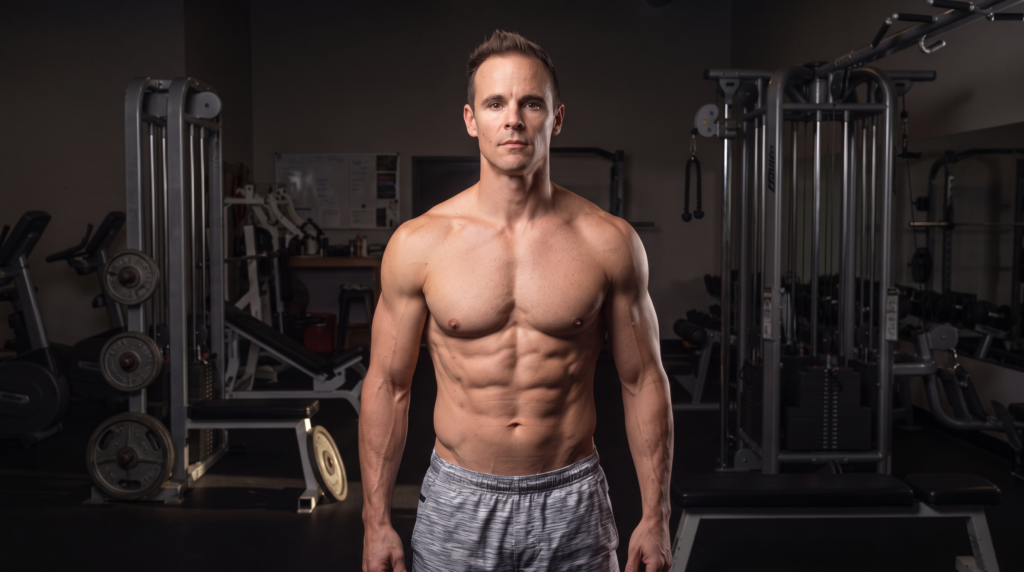
The coach references insights on how the body’s natural stress response was originally designed strictly for brief, life-threatening scenarios, such as encountering a wild predator in the wild. When that exact same survival response is triggered on a daily basis by modern lifestyle pressures, it wreaks total havoc on hormones, metabolism, and mental health.
Estrogen and Prolactin: The Hidden Stressors
Beyond cortisol, other biological markers play significant roles in the stress framework. Although estrogen is not classically defined as a stress hormone, it acts similarly within this system because it actively antagonizes thyroid function and tends to rise in response to chronic physical and mental stress. Men today face unprecedented levels of estrogen exposure stemming from various environmental sources, highly processed foods, and modern lifestyle habits.
Prolactin represents another key player in the hormonal landscape. It naturally spikes following ejaculation, causing the familiar sensation of post-sex lethargy, and shares an inverse relationship with dopamine. When prolactin is chronically elevated, it severely dampens drive, focus, and overall motivation, stripping individuals of their natural enthusiasm for daily tasks and goals.
The Reproductive Hormones: Building Blocks of Vitality
On the opposite end of the spectrum are the anabolic and reproductive hormones, which include testosterone, dihydrotestosterone, and dopamine. Testosterone receives the vast majority of public attention, but dihydrotestosterone, commonly known as DHT, serves as the true primary male hormone responsible for facial hair development, a deep voice, height, and assertive behavioral traits.
The coach humorously likens standard testosterone to a yappy Chihuahua while comparing DHT to a gentle, powerful, and grounded Great Dane. DHT is significantly more potent than testosterone and plays a vital role in masculine development. While DHT is sometimes vilified due to its association with male pattern baldness, attempting to aggressively suppress it through medications can sometimes lead to unintended systemic side effects and a noticeable dampening of overall vitality.
Clinical research notes that while DHT plays an undeniable role in male characteristics, the broad characterization of its suppression universally feminizing men lacks robust clinical consensus, and most patients tolerate related therapies well. Alongside these hormones, dopamine functions as the core driver of motivation, focus, and pleasure. While dopamine is frequently blamed for modern behavioral addictions involving social media, junk food, and digital consumption, the root issue is dopamine dysregulation rather than the neurotransmitter itself. Short-term dopamine spikes from hyper-stimulating sources ultimately lower baseline dopamine levels over time, leaving people feeling chronically fatigued and unmotivated. Restoring healthy dopamine pathways naturally supports both testosterone production and overall hormonal equilibrium.
Testosterone Decline: A Societal Issue
The conversation naturally extends into broader public health concerns, including the documented drop in male testosterone levels over recent decades. Population-level studies indicate that average testosterone concentrations have shifted downward across generations, raising important questions about the interplay between modern lifestyle factors, environmental exposures, rising obesity rates, and sedentary habits. While specific generational comparisons are often discussed through both clinical and rhetorical lenses, researchers agree that physical inactivity and poor metabolic health significantly depress hormonal output in modern populations.
Beyond the Mirror: Mental Clarity and Presence
For this coach, the ultimate objective of optimizing health goes far beyond physical aesthetics—it centers squarely on achieving mental clarity and emotional resilience. He shares a deeply personal account of losing his uncle suddenly to a stroke at the age of 51. Years earlier, when his own personal health was poor and his hormones were mismanaged, experiencing such a sudden family tragedy would have devastated him far beyond his capacity to cope.
Because his health and hormones were fully optimized at the time of the loss, he was able to absorb the heavy emotional impact, actively support grieving family members, and remain fully present during his uncle’s final moments. That harrowing experience crystallized his underlying philosophy: optimizing health is never merely about vanity or looking good on a beach; it serves as essential preparation for life’s most difficult and unexpected moments.
The Middle Path: Aesthetics and Vitality
Ultimately, the coach positions his philosophy as a balanced middle path between two modern extremes. On one side are traditional bodybuilders who may look exceptionally shredded on stage but frequently struggle with anxiety, depression, and wrecked hormonal profiles. On the other side are wellness enthusiasts who report feeling internally balanced but often present with emaciated physiques.
The goal is to bridge the gap by looking like a traditional athlete while feeling vibrant and healthy on the inside. That critical balance is achieved by blending old-school bodybuilding wisdom—such as heavy lifting, whole food nutrition, and adequate physical recovery—with modern insights regarding hormonal health, stress mitigation, and metabolic support. By focusing on how the body looks and feels rather than obsessing over rigid metrics, individuals can build a sustainable lifestyle that supports lifelong energy, vitality, and meaningful presence for the people who matter most.