




In the intricate and demanding world of boxing, no single weapon holds more tactical weight or remains more frequently underutilized than the jab. While casual observers and aspiring fighters alike often gravitate toward the explosive power of a devastating hook or the concussive force of an overhand right, seasoned professionals and trainers understand that everything in the squared circle stems from the jab. From controlling the range and setting up complex combinations to inflicting cumulative damage, distracting an opponent, and stunning them mid-stride, the jab is the fundamental building block of the sweet science. Most importantly of all, maintaining a relentless, active jabbing strategy remains the single most effective method for keeping aggressive opponents at bay and dictating the pace of a contest.

For fighters looking to elevate their ring IQ and master the art of range control, refining the jab is an essential undertaking. Whether facing a relentless pressure fighter or a dangerous counter-puncher, understanding the nuances of technique, variation, bodywork, and pacing can completely transform a boxer’s capability inside the ring.

Correct Form
Before a fighter can hope to weaponize their lead hand, mastering the fundamentals of proper form is a non-negotiable prerequisite. Executing a crisp, effective jab requires a balanced stance with the feet positioned roughly shoulder-width apart, knees slightly bent to maintain agility, the chin tucked securely downward, and the elbows tucked in tight against the body to defend against incoming counters.
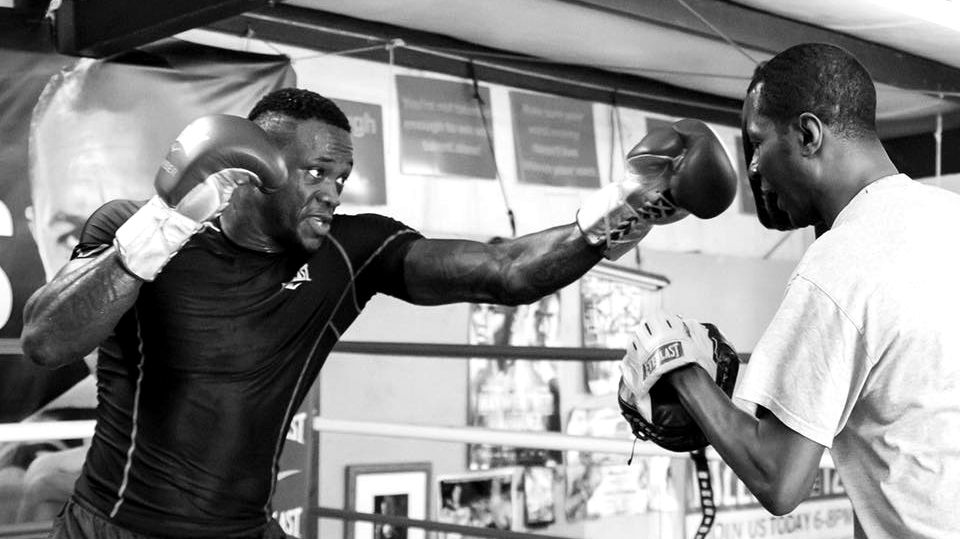
When throwing the punch, a boxer should snap the lead hand forward like a whip, ensuring that the lead shoulder rolls upward to shield the chin and protect the left side of the face. Simultaneously, the rear hand must remain glued to the jaw as a protective barrier, and the lead hand must snap back to its defensive guarding position immediately upon impact.

A common pitfall that telegraphs the punch to a perceptive opponent is the premature flaring of the elbow. To ensure the punch lands with maximum surprise and sharpness, the elbow should follow directly behind the fist rather than flaring outward prematurely—though flaring can occasionally serve a secondary purpose when executing intentional feints. Because a sharp, well-timed jab carries genuine sting, adhering strictly to proper mechanical execution is what separates a harmless tap from a punishing offensive tool.

Variation
Relying exclusively on a standard, textbook jab over the course of multiple rounds is a recipe for predictability. Elite opponents will quickly decipher a monotonous rhythm and begin timing counters. To extract maximum value from the lead hand, a fighter must master multiple variations of the jab and know precisely when to deploy them to keep an opponent guessing.
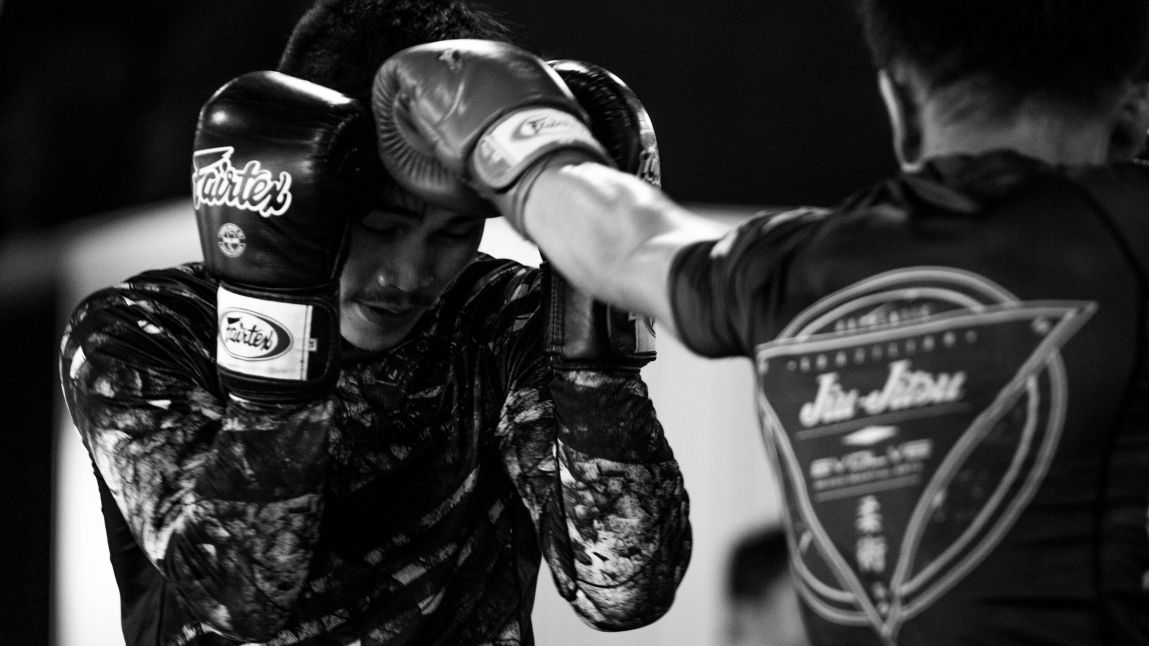
The basic jab, while simple, remains a fighter’s most reliable asset for sneaking in and out of punching range. Layering this basic punch with lateral movement allows an athlete to carve out fresh angles of attack while forcing the opponent to expend valuable energy. Stepping fluidly in and out as the punch travels not only keeps the attacker out of the danger zone but also transfers extra momentum and leverage into the blow. Fighters must remain mindful, however, that overextending this motion can widen their base and compromise their balance. Leaning too far forward or dropping the rear hand while stepping in creates dangerous defensive vulnerabilities.

For athletes gifted with exceptional arm length, the pawing jab offers a brilliant method for dominating distance and obscuring an opponent’s vision. Legendary fighters like Thomas Hearns famously utilized the pawing jab, leaving the lead hand extended momentarily after delivery to blind opponents to incoming follow-up attacks, though this approach requires careful awareness to avoid devastating overhand counters.

Working the Body
Directing the jab downward toward an opponent’s midsection introduces a highly sophisticated tactical layer to a boxer’s offensive arsenal. Executing a body jab requires the fighter to drop their level and dip low, which simultaneously serves a defensive purpose: unless the opponent drops down to meet them, an incoming head-level counter will often sail harmlessly over the attacker’s head.

The primary target for this maneuver is the solar plexus, situated just at the top of the stomach. If timed correctly so that the opponent is stepping forward into the blow, a well-placed body jab can completely knock the wind out of them, altering the momentum of an entire round. While a body jab is rarely a one-punch knockout weapon, its true value lies in its cumulative effect. Over the course of a fight, consistent bodywork wears down an opponent’s stamina, dampens their aggression, and forces them to hesitate out of fear of getting winded.

Fighters who rely on a high, rigid guard are particularly susceptible to this type of attack. To execute it safely, an athlete should step forward with the lead foot as the punch finds its target, immediately stepping backward with the rear foot upon retraction while keeping the rear hand locked defensively against the side of the face to guard against sudden counters.
Varying Speed and Power
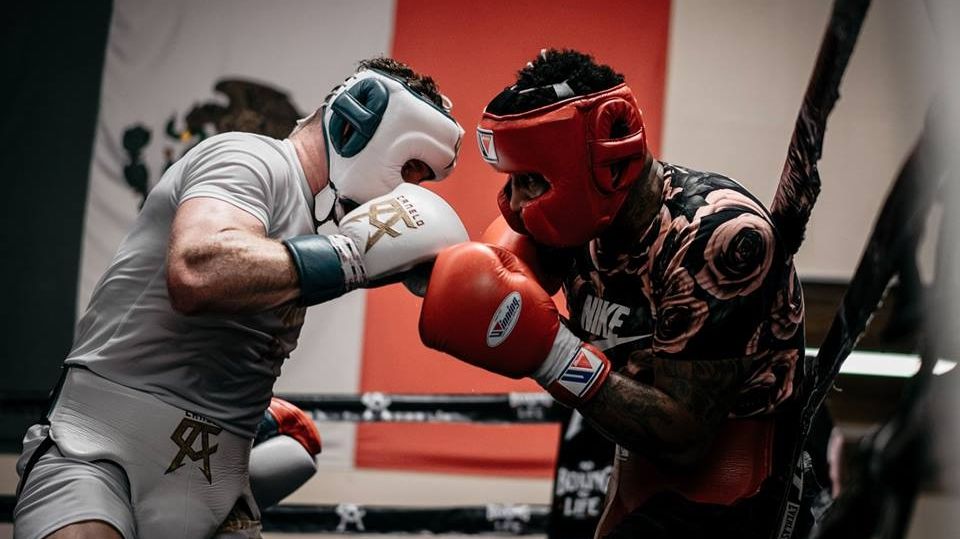
A frequent error made by novice boxers is the attempt to load maximum power into every single punch thrown. Trying to bludgeon an opponent with bad intentions on every single output will rapidly deplete an athlete’s physical stamina, particularly when many of those shots miss their mark or are safely blocked by a tight defense. Incorporating lighter, faster shots keeps an opponent busy and disrupts their rhythm without draining energy reserves.

The tactical tap is an exceptional tool for maintaining constant pressure. Tapping against an opponent’s gloves from just outside their preferred range forces them to either backpedal or overextend on wild counter-punches, creating immediate openings for a calculated response. Doubling or tripling up on the jab while advancing prevents a rival from ever settling into a comfortable offensive groove.

This approach is equally vital when a fighter finds themselves fatigued or hurt, and an adversary attempts to close the distance for a finish. Tapping the opponent with measured, low-energy jabs creates vital breathing room and buys precious seconds for recovery. As demonstrated by master technicians such as Vasyl Lomachenko, rotating toward the outside of an opponent—away from their dominant power hand—while flicking a stream of varied jabs is a masterclass in defensive survival and ring generalship. When an opponent is finally caught completely off-guard and left unprotected, the fighter can transition instantly into a heavier, fully committed power jab.

Practice Makes Perfect
Consistent, dedicated drilling of these fundamental techniques transforms a standard competitor into a formidable presence inside the ring. For athletes looking to enhance their explosive power, speed, and endurance, supplemental conditioning regimens incorporating explosive push-ups, medicine ball throws, and heavy tool work can yield remarkable improvements in punch output and resilience.

Ultimately, the most common mistake associated with the jab is simply underutilizing it. Keeping the lead hand active and firing it relentlessly—even when an opponent appears to be slightly out of range—instills a persistent hesitation in the rival, discouraging them from stepping forward freely. By mastering range, variation, and relentless pacing, a boxer can completely control the narrative of any bout.