

Long a point of derision for MMA coaches and analysts across the combat sports landscape, mixed martial artists simply do not pay enough attention to effective bodywork. In an era where the spectacular is continually sought after by headhunters and those looking for a short night at the office—as if it were some kind of common currency—work directed to the body tends to be dismissed as something unfashionable. This oversight is not merely a shame; it remains genuinely baffling to veterans of the sport who understand the profound physiological toll a sustained attack to the midsection can take on a competitor. The majority of favorable opportunities that can materialize from a modest investment in bodywork would undoubtedly surprise many fighters who spend their training hours visualizing Hollywood-style, one-punch stoppages and spectacular head-kick knockouts.

Beyond offering a pragmatic pathway to systematically compromise an opponent’s mobility or even stop them outright with the correct technical execution, incorporating consistent body punches and kicks serves to make a striker a much harder puzzle to decipher inside the cage. The intricate setups that frequently precede glamorous, highlight-reel finishes can be drastically enhanced if an adversary is forced to constantly anticipate a stinging teep to the midsection or a concussive hook to the ribcage, rather than solely bracing for the predictable overhand right or flying knee designed to switch their lights out. For athletes and enthusiasts seeking to understand the deeper layers of mixed martial arts strategy, examining the fundamental mechanics, advantages, and inherent risks of targeting the body reveals why this tactical shift is long overdue.

The Evolution of Bodywork in Modern Mixed Martial Arts
Unlike traditional boxing, where offensive body strikes are strictly restricted to punches delivered within a narrow pocket, a mixed martial artist benefits from an exceptionally diverse arsenal that includes devastating kicks and crushing knees to the midriff, alongside the occasional rare elbow strike from close range. When analysts look back at the historical figures who consistently integrated body attacks into their respective offensive schemes, a select group of names invariably comes to mind. Fighters such as Max Holloway, Nick Diaz, Jon Jones, Eddie Alvarez, and Bas Rutten all placed a definitive, career-defining emphasis on dismantling their opponents from the inside out.
These elite competitors embraced the timeless combat sports philosophy that if you aggressively take the body, the head will naturally follow. Throughout the rich history of professional fighting, this strategy has worked wonders, wearing down opponents’ gas tanks, lowering their defensive guards, and creating the openings necessary for decisive victories. In the multifaceted realm of modern mixed martial arts, the ability to leverage multiple striking weapons simultaneously provides athletes with boundless opportunities to place opponents in persistent danger.

The Arsenal: Different Types of Body Strikes in MMA
To fully appreciate the tactical value of midsection attacks, one must examine the specific techniques that define high-level body striking in the cage. Among the most prevalent methods utilized by elite practitioners are dynamic hooks, piercing push kicks, thunderous roundhouses, and brutal clinch work.

The hook to the body has long been a staple for high-volume volume-punchers. Max Holloway, renowned for his supernatural gas tank and ability to throw punches in bunches, frequently weaves body shots into complex combinations or unleashes them when an opponent attempts to shell up defensively against the cage. Similarly, Nick Diaz famously subscribed to the philosophy of "putting money in the bank" with steady, accumulative bodywork, which laid the foundation for his overwhelming pressure on the feet. Both Holloway and Diaz mastered the art of aiming high to go low, using feigned straight punches at the tail end of extended combinations to dig underneath the opponent’s raised guard and impact the ribcage.

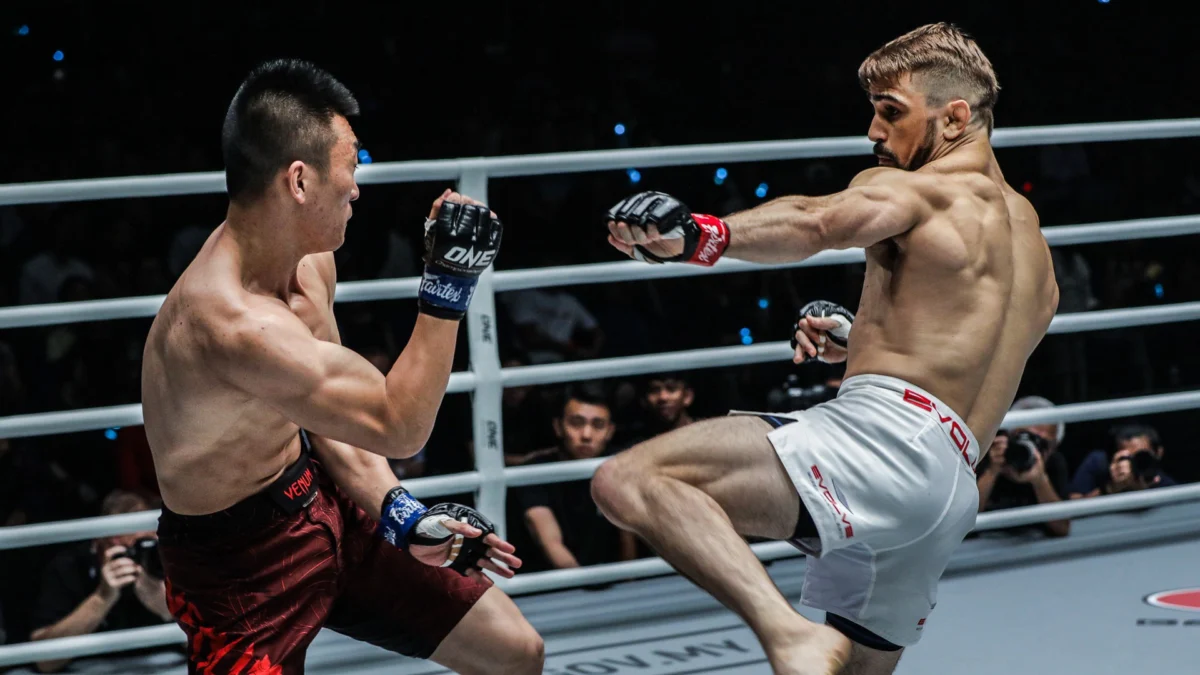
Meanwhile, fighters possessing superior reach and long limbs have consistently found tremendous success utilizing the teep, or push kick. Jon Jones, widely regarded as one of the most naturally gifted mixed martial artists in the history of the sport, elevated the aesthetic appeal and defensive utility of the teep. Operating simultaneously as an offensive spear and a defensive barrier, the teep crashes violently into the midriff to halt an advancing opponent in their tracks, effectively taking the wind out of their sails with every successful connection. This push kick allows elite strikers to dictate range, push adversaries backward, and establish the exact distance required before launching a secondary wave of attacks.

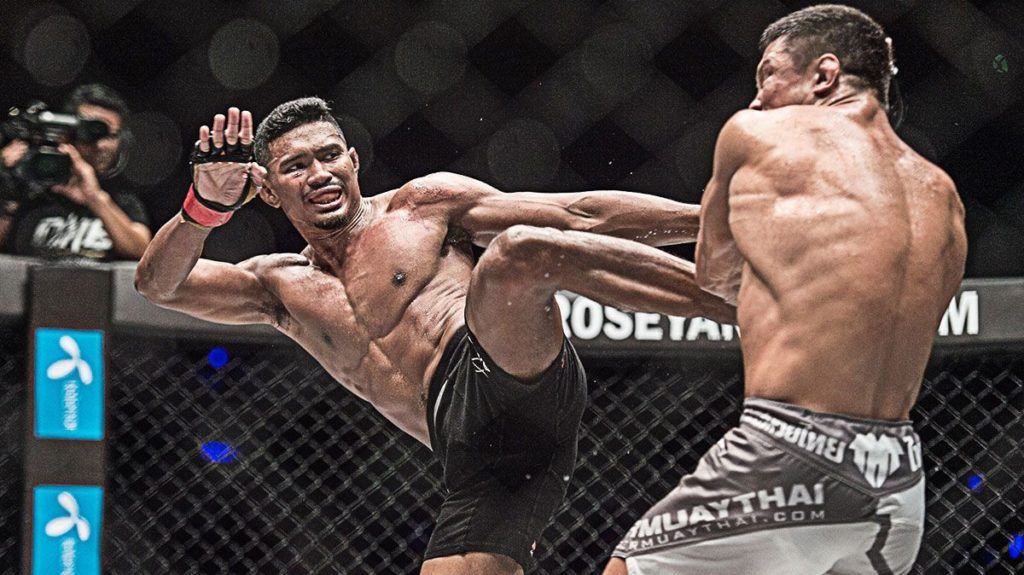
When considering sheer destructive power, the roundhouse kick to the body stands virtually unmatched. Practitioners who have never absorbed a fully committed roundhouse to the midsection often fail to grasp the immediate, debilitating damage it inflicts on internal organs and cardiovascular endurance. While legendary Muay Thai stylists like Yodsanklai Fairtex and Saenchai established the gold standard for this technique in the ring, prominent mixed martial artists such as Anthony Pettis and Anderson Silva have repeatedly demonstrated how devastating a well-timed body roundhouse can be when translated to the cage.

Finally, few techniques in mixed martial arts can drain the oxygen from a competitor’s lungs and elicit an immediate wince of agony quite like knees delivered to the body from the clinch. To successfully execute this maneuver, a fighter must first establish control by locking their opponent into a dominant clinch position, such as the double collar tie. Competitors lacking technical proficiency in the clinch game quickly find themselves at the mercy of a skilled practitioner, serving as stationary targets as knees are driven mercilessly into their ribs and midsection. This represents one of the most brutal and efficient forms of body striking available in the sport.

Targeting the body offers numerous undeniable benefits for any mixed martial artist determined to elevate their overall skill set and tactical awareness. For undeniable proof of its efficacy, one need only look to the historical blueprint left behind by the greatest champions the sport has ever produced, all of whom recognized that sustainable success inside the cage often begins well below the chin.