


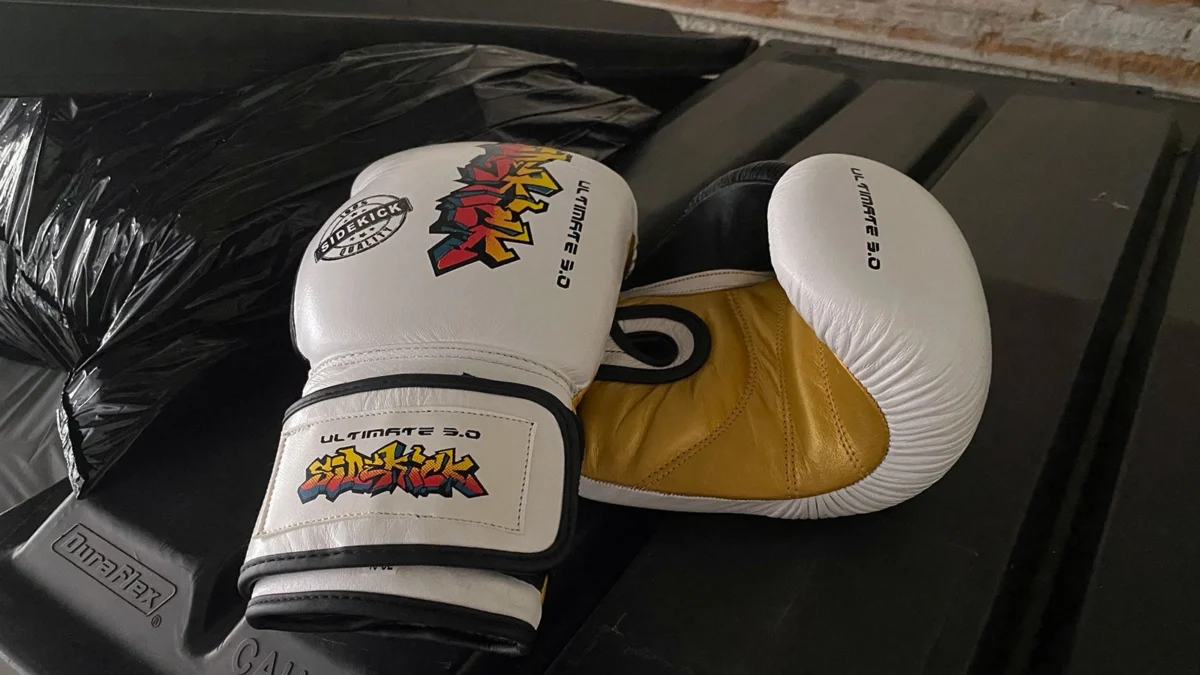
In the world of combat sports equipment, finding reliable gear without breaking the bank is a constant challenge for newcomers and seasoned athletes alike. However, a recent critical evaluation of the United Kingdom-based boxing brand Sidekick has delivered an overwhelmingly negative verdict, warning fighters to steer clear of the company’s product line entirely. Described by gear reviewers as fundamentally lacking in both quality and essential hand protection, the brand has come under fire for manufacturing equipment that critics argue poses a genuine safety hazard inside the ring and on the heavy bag.

The review, which evaluates the budget-friendly brand purportedly manufactured in Pakistan, cuts straight to the point for anyone considering a purchase. For athletes looking to save time and money, the primary takeaway is simple: do not buy them, do not read further, and look toward established alternatives. Yet, for those seeking a detailed breakdown of why these products fail to meet basic athletic standards, the critique provides an unvarnished look at what happens when low manufacturing costs compromise user safety.

According to the assessment, Sidekick sits firmly at the bottom tier of the combat sports gear market. On a standard evaluation scale ranging from one to five—where one represents the worst possible performance and five denotes elite-tier craftsmanship—the brand’s equipment scores a dismal one to two. The company’s product lineup typically ranges from inexpensive entry-level options priced around 20 British pounds, roughly equivalent to 25 US dollars, up to their more premium offerings retailing near 55 British pounds, or approximately 60 US dollars.

Troublingly, the gear evaluated for the review consisted of the brand’s high-end models, meaning the equipment was meant to represent the absolute best that Sidekick has to offer. Instead, the reviewer characterized these top-tier options as completely unusable trash, leaving little room to imagine how poorly their cheaper, entry-level counterparts might perform under standard training conditions.

The core of the criticism revolves around inadequate construction, poor durability, and, most importantly, a profound lack of protection for the hands and wrists. When stepping into a gym to spar, hit pads, or work the heavy bag, athletes rely on their gloves to absorb shock and stabilize the wrist joint, preventing fractures, sprains, and long-term joint degradation. Sidekick’s products, the review contends, fail miserably in this regard.

While the reviewer offered a lighthearted apology for any dramatic visual presentation accompanying the initial rollout of the critique, the underlying message remained entirely serious. The manufacturer had previously supplied two separate pairs of gloves for evaluation, with the reviewer issuing a clear warning ahead of time that any gear failing to meet acceptable standards would face harsh public scrutiny. True to that warning, the products failed to deliver on nearly every front.

When weighing whether these gloves might still serve a purpose for absolute beginners on a strict budget, the review offers a blunt discouragement. While a fighter might theoretically use them while punching at a mere fraction of their normal power—perhaps twenty-five percent strength—the consensus is that even the cheapest alternatives on the market are vastly superior to having no protection at all. However, the overarching argument transcends mere financial considerations. Hand safety is paramount, as human hands are essential tools utilized for virtually every aspect of daily life well beyond the confines of the boxing gym. Exposing oneself to the risk of injury with subpar equipment simply to save a few currency units is a compromise that trainers and experienced athletes strongly advise against.