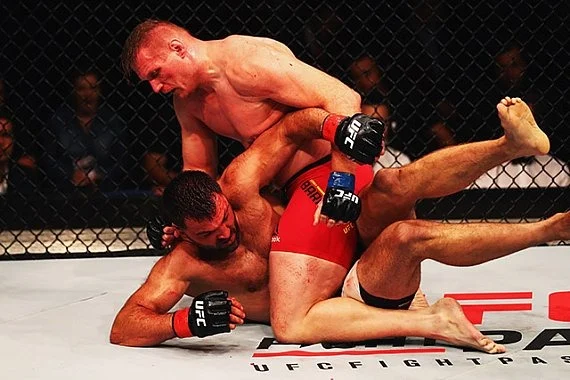



Putting on a successful live combat sports event requires a massive logistical undertaking. Promoters of amateur fight nights must secure interesting matchups, draw a paying crowd, book an appropriate venue, and shoulder a litany of operational expenses. These costs stretch far beyond simple venue rental, encompassing essential overhead such as fighter insurance, licensed medical personnel, security teams, professional production, and administrative expenses.
While major global organizations like the Ultimate Fighting Championship (UFC) can effortlessly fill arenas and sell out major pay-per-view events without relying on the competitors to drive gate receipts, the landscape looks drastically different for regional amateur circuits. Grassroots organizations often struggle with brand recognition and audience reach. Lacking the marketing machinery of elite promotions, many amateur promotions lean heavily on a traditional, albeit burdensome, model: requiring the fighters themselves to sell blocks of tickets to family, friends, and gym acquaintances just to secure their spot on the fight card.
Why Fighters End Up Selling the Tickets
For aspiring martial artists stepping into the cage or ring at the amateur level, the journey involves months of grueling training, strict weight management, and mental preparation. Yet, in many promotions, their responsibilities extend well beyond athletic performance into direct ticket sales and event marketing.
When examining the operational structures of various regional and international circuits, this practice remains widespread. Organizations such as International IFS, for instance, have traditionally required athletes to sell a mandated minimum number of tickets—often around 20 or more—directly to the public to help offset the steep production costs associated with hosting a live combat sports show.
For the average amateur competitor, meeting these sales quotas is rarely straightforward. Unless a fighter has already cultivated a substantial social media following or possesses a deeply ingrained local fanbase, they are usually limited to a tight circle of potential buyers. More often than not, these sales are restricted to fellow gym members sharing the training mats, immediate family members, and a handful of close personal friends.
This dynamic places an unfair and exhausting emotional and financial burden on athletes who are typically unpaid or fighting strictly on a volunteer or expense-reimbursed basis. Balancing the rigorous demands of a full-time job or studies with intense athletic training is difficult enough; adding the role of a door-to-door ticket salesman introduces unnecessary stress into an already high-pressure environment.
Industry analysts and progressive promoters are increasingly asking a fundamental question: What if regional venues and event organizers could find a way to pull in sustainable revenue independently? By adopting marketing strategies already proven across other major entertainment and consumer industries, event coordinators might finally take the ticket-selling burden entirely off the shoulders of the fighters, allowing athletes to focus exclusively on their training and performance.
Three Levers Other Industries Already Pull
To modernize the grassroots combat sports business model, promoters can look outward to see how digital subscription services, entertainment venues, and hospitality businesses successfully drive customer acquisition without placing the onus on the talent. Other industries routinely pull specific financial and promotional levers to guarantee engagement and build predictable revenue streams.

Welcome offers, for example, work exceptionally well when it comes to attracting fresh audiences, and consumers encounter them constantly across the digital economy. Subscription services like Audible offer new customers generous introductory trials, such as 30 days of free access paired with an initial audiobook credit, allowing members to evaluate the service before transitioning to a standard monthly fee. Similarly, online entertainment platforms and digital venues frequently utilize structured sign-up bonuses, such as requiring a modest initial deposit in exchange for free platform spins or promotional playing credits, effectively lowering the barrier to entry for hesitant newcomers.
These welcome incentives succeed because they provide prospective consumers with a clear, low-risk reason to take immediate action. They reward individuals for exploring an unfamiliar product or service by offering tangible value upfront. Amateur fight nights could easily adapt this foundational marketing tactic to entice local sports fans to experience a live event at a discounted or introductory rate, turning casual onlookers into recurring live-event attendees.
Beyond introductory promotions, mainstream industries heavily rely on structured refer-a-friend schemes. These referral programs are uniquely powerful because they effectively convert every incoming customer into an active marketing vehicle. By rewarding loyal patrons with perks, discounts, or exclusive access when they bring new people into the fold, businesses create a self-sustaining word-of-mouth loop where the reward scales directly with the number of new guests introduced.
Finally, the live entertainment and sports sectors have long championed the power of season passes and multi-event memberships. Minor-league baseball organizations aggressively sell season ticket packages long before the opening day of the season, while independent cinema chains frequently bundle a full year of movie visits into a single, upfront membership fee. The primary objective behind this strategy is locking in customer commitment well in advance, instantly transforming a one-off, transactional ticket sale into a higher-value, predictable revenue stream. This approach also integrates seamlessly with referral frameworks; individuals who commit to attending a full calendar of events are naturally inclined to bring friends along to share the experience.
What It Looks Like on Fight Night
When executed with precision and strategic foresight, integrating welcome offers, referral incentives, and multi-event passes can dramatically revitalize the business model of amateur fight nights. However, industry veterans caution that half-hearted or poorly calibrated attempts will yield poor results. For these promotional tools to succeed, they must be meticulously planned and tailored precisely to the preferences and spending habits of the local target demographic.
For instance, an introductory welcome offer needs to be sufficiently inviting to entice first-time visitors through the doors, yet calibrated carefully so the venue does not project an image of desperation. If discounting is mishandled, prospective attendees might mistakenly assume the event will lack atmosphere or draw a dangerously sparse crowd, thereby defeating the objective.
Similarly, refer-a-friend programs must strike a delicate financial balance. The incentives must be enticing enough to motivate patrons to advocate for the event, but structured tightly enough to ensure the promotion does not inadvertently erode profit margins on ticket sales. Meanwhile, season passes and multi-fight ticket bundles require operational flexibility. If a committed pass-holder falls ill or cannot attend a specific fight card, that ticket risks turning into an empty seat unless the promotion implements flexible solutions such as ticket buy-back options or transferable guest passes.
Ultimately, shifting the operational responsibility of ticket sales away from amateur competitors represents a major step forward for the sport. Freeing athletes from the commercial grind ensures their energy remains dedicated where it belongs: inside the training room, refining their skills, protecting their health, and preparing to deliver a safe and entertaining athletic spectacle for the fans.