
Former UFC heavyweight champion Josh Barnett has raised serious questions regarding the financial strategy of MF Sports’ Misfits organization following striking claims made by veteran welterweight Michael "Venom" Page about his lucrative new contract. The development has sparked a wider conversation within the combat sports community about the sustainability of high-spending business models in mixed martial arts, particularly when new or crossover-focused promotions attempt to aggressively compete with established industry giants like the Ultimate Fighting Championship.
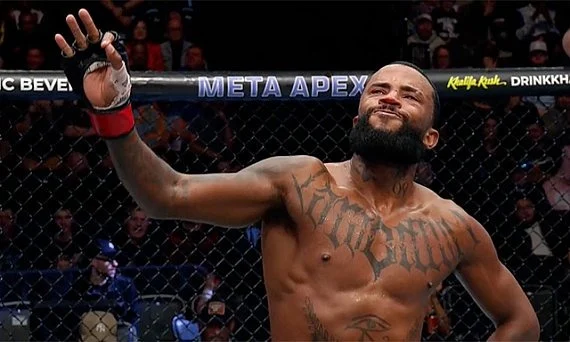
The controversy began when Michael "Venom" Page revealed details regarding his newly signed three-fight deal with Misfits. According to the British striker, the financial terms of his agreement with the promotion will surpass the total earnings he accumulated across his six-bout tenure inside the Ultimate Fighting Championship. Page asserted that he is slated to earn seven figures for every single fight under the Misfits banner.
This lucrative multi-fight agreement comes after the UFC ultimately opted against renewing Page’s promotional contract, despite the fact that the dynamic and unorthodox fighter compiled a respectable 5-1 record inside the world’s leading MMA organization. Page’s departure from the UFC and subsequent landing spot with Misfits drew significant attention, but it was his declaration of massive, seven-figure payouts per appearance that truly caught the industry off guard and drew sharp criticism from veterans of the sport.
Josh Barnett, a seasoned veteran with decades of experience competing at the highest levels of professional mixed martial arts and a deep understanding of the sport’s business side, quickly took to social media to address Page’s statements. Barnett did not mince words when analyzing the financial claims, warning that the kind of spending described by Page could quickly drain Misfits’ available capital and ultimately threaten the long-term viability and survival of the organization.
Writing on X, Barnett outlined two primary possibilities regarding the situation. "Either Page is telling a very bold lie for publicity sake…" Barnett wrote, before presenting a much darker and more systemic concern about the industry. "Or [Misfits] has decided to run the same old formula of: jumping into the MMA market, overspending like mad, burning through all their capital in record speed, and soon to be another gravestone in the marketplace due to either incompetence or intent to raise and burn capital on the way to fire-sailing what remains (that’d be the IP, library, all those fighter’s contracts) in what amounts to cash grab scam with the skinsuit of making a top tier MMA company/UFC competitor."
To validate his cautionary perspective, Barnett pointed to a long history of defunct mixed martial arts organizations that rose quickly with aggressive spending habits before collapsing spectacularly under the weight of their own financial obligations. The former heavyweight champion explicitly cited promotions such as EliteXC, Affliction, the International Fight League, and the World Series of Fighting as historical examples of how unsustainable financial models ultimately harm the entire ecosystem of the sport.
These past promotions famously burst onto the scene with massive television deals, lavish production budgets, and exorbitant fighter salaries designed to lure top talent away from the established market leaders. However, many of those organizations failed to secure a stable, long-term revenue stream capable of supporting such high overhead costs, leading to sudden bankruptcy, folded events, and left-behind rosters of athletes who were often owed significant sums of money.
Barnett emphasized that while promoters, executives, and even athletes looking for a short-term windfall might benefit initially from such volatile business cycles, it is ultimately the rank-and-file competitors who bear the brunt of the damage when a promotion implodes. Highlighting the recurring cycle of financial distress in the sport, Barnett added a stark reminder regarding who suffers most when companies overextend themselves. "Oh, and it’s the FIGHTERS in the end who truly get screwed over…again," he noted in his social media commentary.
To clarify his remarks and ensure his critique was aimed squarely at the corporate leadership rather than any potential confusion with other combat sports entities or promoters, Barnett followed up his initial post with a brief correction. Acknowledging a potential point of ambiguity in his phrasing, he posted a short clarification clarifying that his critique was directed firmly at Misfits rather than any other organization with similar initials. "*Misfits not MVP," he added in a subsequent message on the platform.
The public skepticism voiced by a respected veteran like Barnett highlights ongoing tensions within the professional mixed martial arts landscape. As alternative promotions attempt to carve out market share by offering unprecedented financial incentives to prominent free agents, industry observers continue to debate whether these high-risk financial strategies represent a genuine challenge to the status quo or merely a repeat of historical missteps that have left a trail of defunct organizations in their wake.