


We have been told that exercise is good for the immune system for so long that the statement has almost lost its punch. It occupies the same conversational space as advice telling us that vegetables are beneficial or that smoking is harmful. We acknowledge it, nod along, and wonder if there is anything new to consider.
Yet, recent scientific inquiry has finally started looking beneath the surface to examine the microscopic mechanisms at play.
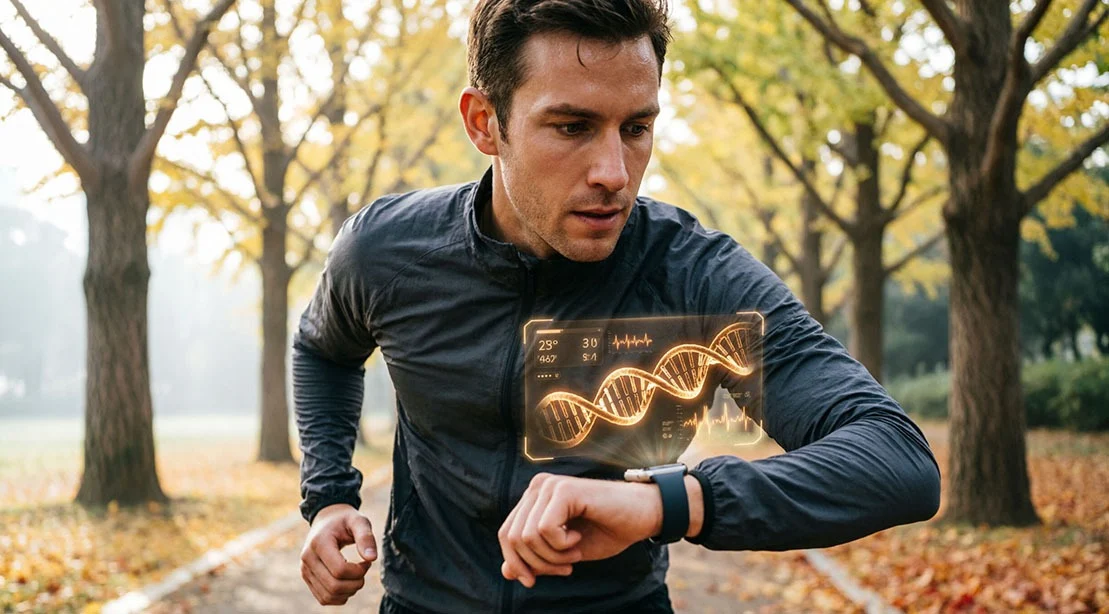
A study published on September 18 in Science Advances deployed sophisticated molecular tools to compare regular exercisers with sedentary individuals. The researchers discovered that the physiological differences between the two groups extended far beyond standard clinical markers like cholesterol levels, blood glucose, or other metrics typically highlighted in red ink during an annual physical exam. Instead, the divergences reached all the way down into cellular metabolism, immune-cell gene activity, and the physical accessibility of the genetic machinery those cells rely on to perform their daily biological duties. This level of microscopic insight offers a significantly more profound perspective than the broad generalization that people who maintain an active lifestyle tend to enjoy better overall health.
To conduct the analysis, the research team pulled data from the Chinese Immune Multi-omics Atlas, a massive profiling initiative that has mapped more than 10 million circulating immune cells taken from 428 adult participants. Specifically, the exercise analysis contrasted 40 individuals who reported exercising regularly against 46 subjects who lived a sedentary lifestyle. The active cohort met established public health guidelines, reporting that they trained at least three times a week and accumulated a minimum of 150 minutes of moderate-intensity exercise or 75 minutes of vigorous-intensity exercise.
This deep dive into the molecular data revealed notable patterns.
How Does Exercise Change Immune Cell Gene Activity at the Molecular Level?
The individuals who engaged in regular exercise displayed distinct metabolic patterns that are typically associated with elevated rates of fatty-acid oxidation and enhanced antioxidant activity. Furthermore, their circulating immune cells exhibited physical and functional characteristics that set them apart from their sedentary counterparts. The researchers identified notable differences involving cytotoxic T cells and natural killer cells, which are two critical components of the immune system responsible for identifying and destroying infected or abnormal cells within the body.
Beyond specific cell types, the study uncovered differences in chromatin accessibility. Chromatin structure dictates how available specific sections of genetic instructions are for a cell to read and utilize. The active group also showed alterations in cellular signaling pathways associated with antigen presentation and inflammatory responses.
Translated into plain English, the physiological framework of individuals who exercised regularly appeared to operate with a differently tuned metabolic and immune architecture compared to those who did not exercise.
However, before anyone attempts to market a supplement like an "Immune Chromatin Activator Xtreme" housed in a dark bottle adorned with lightning bolts, researchers emphasize a crucial caveat: this study does not definitively prove that exercise caused these observed molecular differences.
Because the research was cross-sectional in design, the scientists essentially captured a molecular snapshot comparing people who habitually exercise with people who do not. While it remains highly plausible that regular physical activity produced these structural and metabolic differences, it is also possible that individuals who exercise regularly differ in other unmeasured ways. They might eat different diets, maintain different sleep hygiene habits, possess different body compositions, or vary in other lifestyle factors that the study could not entirely untangle. Furthermore, the researchers did not possess the granular, detailed exercise metrics required to claim, for instance, that heavy resistance training like deadlifts improves natural killer cell function more effectively than endurance training like rowing, or that four weekly workouts yield superior cellular results compared to three.
It is equally vital to avoid oversimplifying the findings. Moving from the scientific observation that exercise affects the immune system to the faulty conclusion that exercise makes an individual entirely immune to disease misrepresents the data. Immune biology is extraordinarily complex. Greater activity or proliferation from an immune cell is not automatically beneficial, and an immune system running at maximum capacity is not always a desirable state—as anyone living with an autoimmune condition can attest.
The true significance of the study lies elsewhere. For decades, the medical and fitness communities have measured the benefits of exercise through visible, macroscopic metrics. Body weight, waist circumference, blood pressure, maximal oxygen uptake known as VO2 max, muscle hypertrophy, and overall physical strength have served as the primary barometers of progress.
Exercise Biomarkers: Visible Muscle vs. Cellular Housekeeping
These visible markers remain undeniably important, particularly to fitness enthusiasts and athletes who train in gyms, because nobody has ever stood in front of a mirror admiring their own chromatin accessibility or cellular signaling pathways.
Yet, underneath the physical changes we can readily observe and measure, physical activity is evidently tied to a vast and continuous process of biological housekeeping.
That realization provides a useful perspective during those inevitable training sessions where nothing outwardly spectacular seems to happen. On days when there is no personal record broken, no satisfying muscle pump achieved, and the bathroom scale refuses to budge—when a person looks identical walking out of the facility to how they looked walking in—it is worth remembering that significant internal work may still have been accomplished.
As modern science uncovers more about the intricate relationship between physical activity and human biology, exercise increasingly defies the definition of a mere cosmetic hobby meant only to sculpt the physical form.
Instead, the accumulating evidence suggests that physical movement is an essential biological requirement deeply embedded in how our bodies are designed to function.