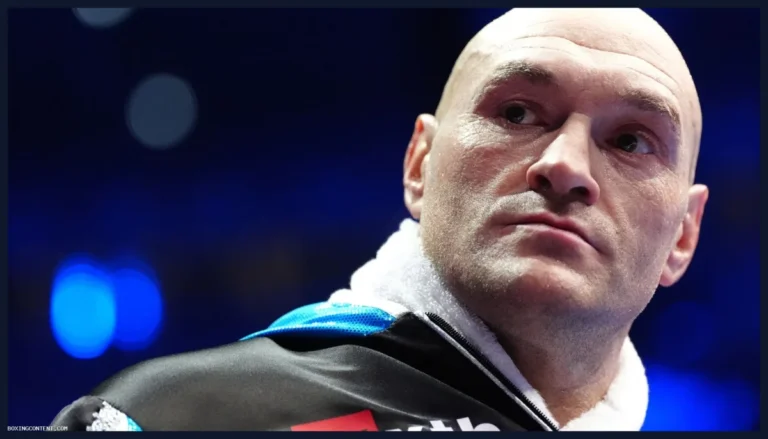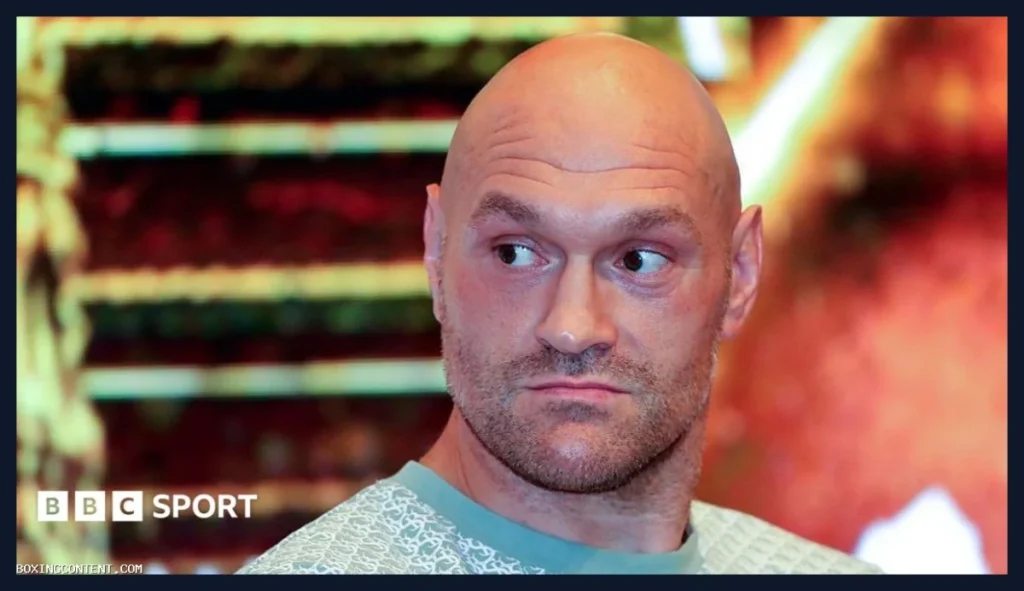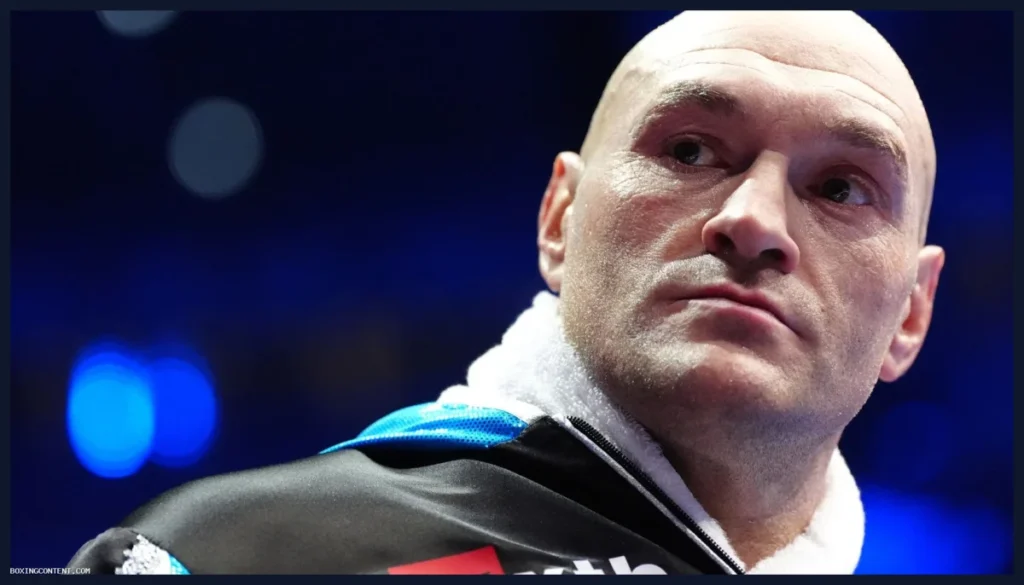
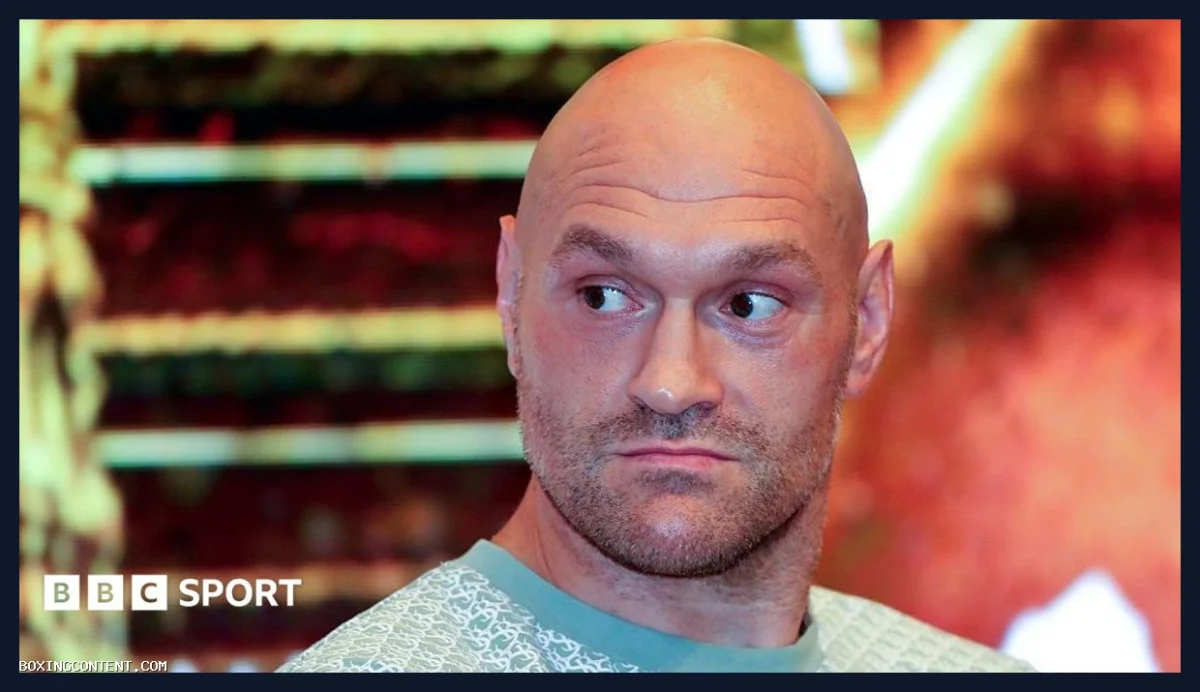
Paris Fury has publicly clarified that her husband, former world heavyweight champion Tyson Fury, has never received a medical diagnosis of schizophrenia, prompting streaming platform Netflix to re-edit a forthcoming documentary about the boxer’s life and career just days before its scheduled global release. The clarification comes at a critical juncture for the 38-year-old fighter, as British boxing authorities conduct a formal review of his health status ahead of his highly anticipated ring return against Anthony Joshua next month in Cardiff.
The controversy stems from promotional footage and an initial edit of an upcoming Netflix documentary focusing on Fury’s life, career, and well-documented personal battles. In clips released to market the film, Fury reflected on the profound psychological struggles he experienced in the wake of his historic 2015 victory over Wladimir Klitschko, a career-defining performance that crowned him world heavyweight champion. In the footage, the fighter described experiencing severe mental health distress, including hearing voices in his head. In the original cut of the documentary, Paris Fury was featured recalling those difficult years and described her husband as having "mild schizophrenia."
However, following public attention and scrutiny surrounding those comments, Paris Fury issued a formal statement to set the record straight regarding her husband’s official medical history, explaining that her previous use of the term was not grounded in a formal clinical diagnosis.
In her statement, Paris Fury addressed the misunderstanding directly, offering context to the remarks featured in the documentary’s early version. She explained that she was attempting to recall conversations from many years prior while reflecting on a chaotic and emotionally taxing period in their family life.
"I want to clarify a statement I made in the original version of the Tyson Fury documentary," Paris Fury said. "I recalled a conversation from many years ago when discussing Tyson’s condition and I used the word ‘schizophrenic’. While Tyson did show some symptoms associated with schizophrenia, he doesn’t have this condition and has never received a diagnosis."
She went on to emphasize the immense difficulty families face when navigating severe mental health issues in real time, noting how challenging it can be to articulate complex psychological experiences without formal medical terminology.
"Mental health is complex, and it isn’t always easy to find the right words, especially when you’re living it with someone you love," she added. "I’m so proud of Tyson for really opening up in this documentary and want to say thank you for all the support we’ve received as a family."
Following the updated information provided by the Fury family, Netflix took immediate action to amend the documentary ahead of its official premiere on Friday, 27 November. The streaming giant confirmed that it collaborated directly with the family to re-edit the film so that it accurately reflects the fighter’s actual diagnostic history rather than informal characterizations.
A spokesperson for Netflix confirmed the editorial changes in a statement provided to BBC Sport, noting that the production team worked swiftly to ensure the final release aligns with the corrected facts.
"Following new information shared by the family relating to Tyson’s official mental health diagnosis, we have worked alongside them to update the documentary accordingly ahead of launch," the Netflix spokesperson stated.
The public discussion surrounding Fury’s mental health diagnostic history quickly caught the attention of the British Boxing Board of Control (BBBofC), the regulatory body responsible for governing professional boxing in Great Britain and issuing fighter licences. The board initiated an inquiry into the comments regarding a potential schizophrenia diagnosis to determine whether any medical regulations had been breached or if further health assessments were required before allowing Fury to compete.
Despite the regulatory review, the governing body indicated that it does not expect the issue to derail Fury’s upcoming fight against Anthony Joshua. The two British heavyweights are scheduled to meet in a blockbuster contest at Cardiff’s Principality Stadium on 11 December, with the fighters expected to make their ringwalks in the early hours of 12 December.
Robert Smith, the general secretary of the British Boxing Board of Control, confirmed to BBC Sport that the regulatory body was actively addressing the matter through its standard medical procedures. Smith emphasized that while the board enforces strict health standards for all licensed combatants, he remains confident that Fury will receive medical clearance in time for the event.
"We are in the process of dealing with the matter but if there are any medical issues we wouldn’t let anyone box – it doesn’t matter if it’s Tyson Fury or not, it could be anybody," Smith told BBC Sport.
Smith reassured fans and event organizers that the board’s medical team was working through the standard protocols to reach a definitive resolution swiftly.
"I’m fairly confident he will be absolutely fine," Smith added. "We’re dealing with it now and we’ll have an answer very shortly."
The regulatory framework governing combat sports in Great Britain places strict emphasis on neurological and psychological health. Under Regulation 8.1(b) of the British Boxing Board of Control’s 2026 rules and regulations, specific medical conditions are highlighted due to the potential risks they pose in high-intensity combat sports. According to the board’s published guidelines, schizophrenia is explicitly listed among the medical conditions that "may preclude" an individual from successfully obtaining an initial boxing licence. Furthermore, for an athlete who is already an existing licence holder, the regulations stipulate that the board "may take such action as in its absolute discretion it sees fit" upon learning of such conditions.
When questioned about the specific steps the board would take over the coming days to complete its evaluation, Smith declined to elaborate on individual testing protocols or internal discussions, citing confidentiality rules surrounding athlete health data.
"It’s a medical matter," Smith explained, refusing to disclose private clinical procedures. He affirmed that every athlete scheduled to compete on the card in Cardiff would undergo the exact same mandatory pre-fight medical checks prior to stepping into the ring. "If our doctors are satisfied he’s fit to box, he will box."
The initial narrative presented in the documentary featured detailed recollections of a alarming incident in June 2016, when Fury was rushed to the hospital following what was initially feared to be a heart attack. Medical professionals who evaluated him at the time determined that he had actually suffered a severe anxiety attack. In the original edit of the film, it was suggested that Fury received a diagnosis of schizophrenia after being discharged from the hospital following that emergency visit.
According to medical guidance provided by the National Health Service (NHS), schizophrenia is defined as a complex, long-term mental health condition classified as a form of psychosis. The NHS outlines that symptoms of the condition can include hallucinations—such as hearing voices or seeing things that others do not—as well as delusions, confused thinking, and muddled speech or thought patterns. Because clinical diagnoses carry significant regulatory implications for professional athletes involved in contact sports, ensuring precise language regarding Fury’s medical status became a paramount concern for both his management team and boxing regulators.
The documentary provides an intimate look into the severe personal crises that engulfed Fury during the most turbulent period of his career. After his landmark victory over Wladimir Klitschko in November 2015, which elevated him to the pinnacle of global boxing, Fury spiraled into a profound emotional depression. His personal life became marred by severe substance abuse, as he battled mounting addiction to both drugs and alcohol while stepping away from the ring for an extended period.
Reflecting on the psychological depth of his breakdown in the documentary, Fury offered a stark assessment of his mental state during those lost years.
"Words can’t explain the darkness I was in," Fury said, describing the overwhelming sense of despair that dominated his life while away from boxing.
The turning point in Fury’s life and career arrived nearly two years after his victory over Klitschko. Fury revealed that a night out on Halloween in 2017 served as the ultimate catalyst for his personal transformation. Looking at himself during the festivities, he felt deeply disturbed and "embarrassed by how I looked," a moment of self-realization that compelled him to abandon his destructive lifestyle and return to serious athletic training.
That pivotal moment launched one of the most remarkable comebacks in modern sports history. Fury shed substantial weight, rebuilt his physical conditioning, and gradually worked his way back into elite contention. His return culminated in a historic trilogy against Deontay Wilder, which saw Fury stop Wilder in their 2020 rematch to capture the WBC heavyweight title, establishing himself as a world heavyweight champion for the second time in his career.
With the editorial revisions to the Netflix documentary now complete ahead of its launch on Friday, 27 November, and the British Boxing Board of Control finalizing its standard medical assessments, attention is shifting back toward the competitive arena. If cleared as expected by board medical officials, Fury’s upcoming clash against Anthony Joshua at the Principality Stadium on 11 December will mark another major milestone in a career defined as much by resilience outside the ring as dominance within it.