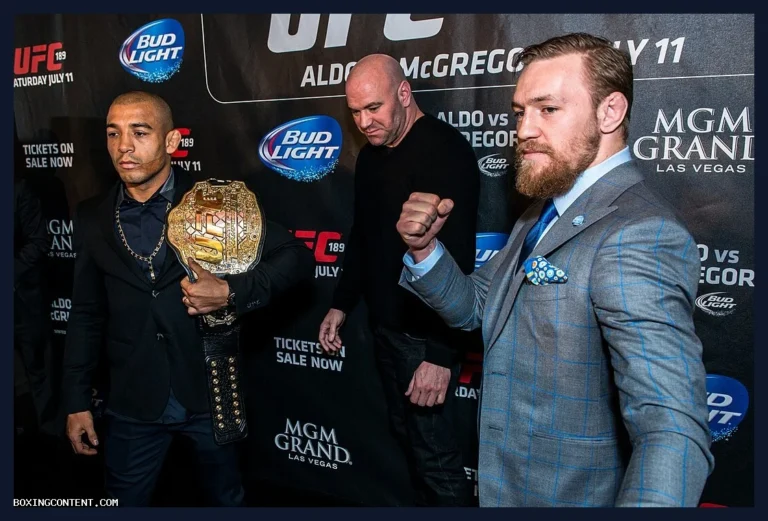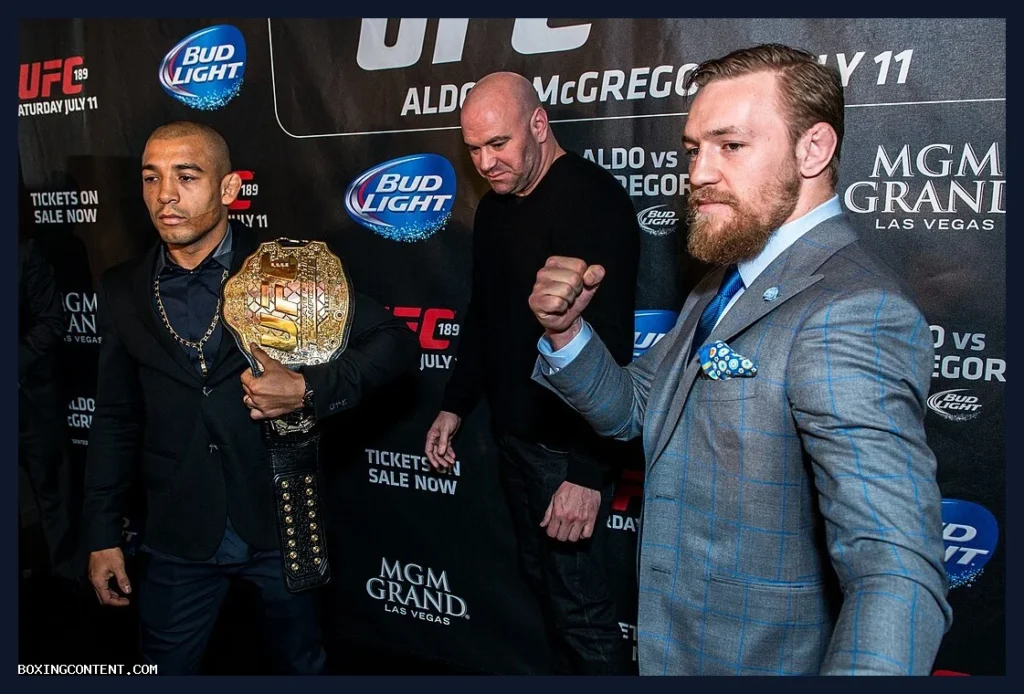
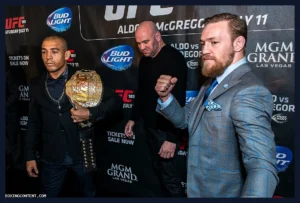
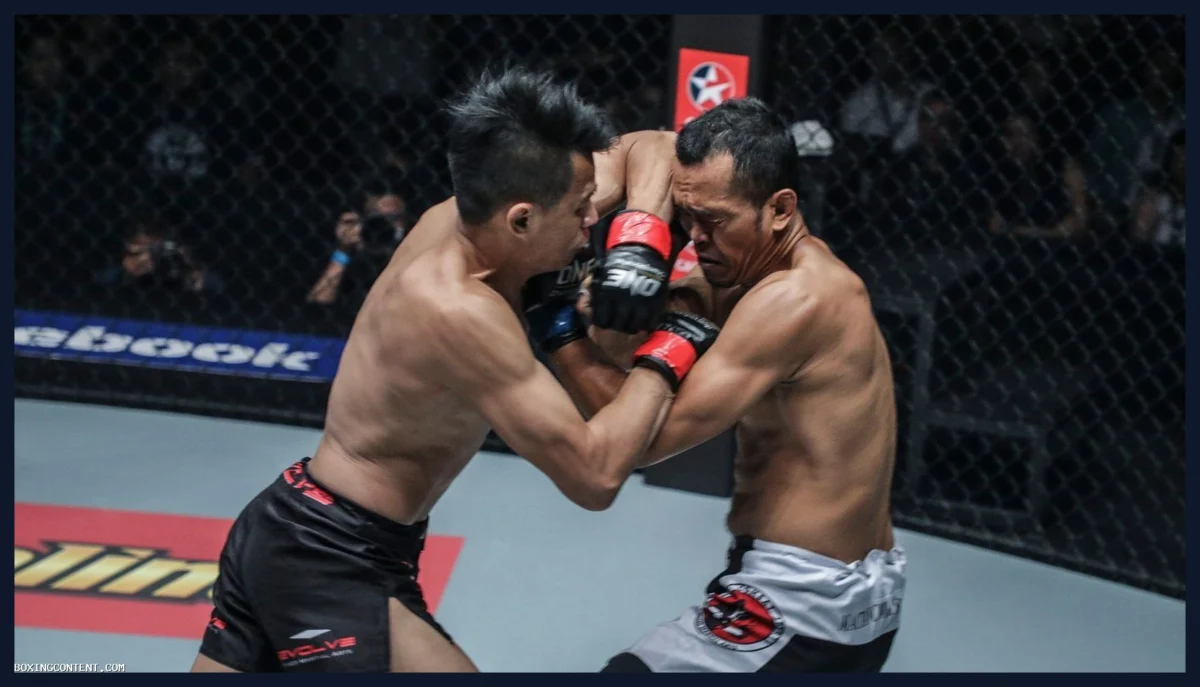
Mixed martial arts (MMA) stands firmly today as the fastest-growing combat sport on the planet, enjoying unprecedented commercial success and mainstream cultural integration over the past decade. Driven by high-profile personalities and crossover stars such as Conor McGregor, Ronda Rousey, Jon Jones, and Brock Lesnar, promotions like the Ultimate Fighting Championship (UFC) have evolved into multi-billion-dollar global enterprises. Beyond the walls of the UFC, the broader ecosystem of modern combat sports has flourished with the establishment and rapid expansion of major international organizations including ONE Championship, Bellator, and Rizin Fighting Federation. MMA is no longer a niche spectacle reserved for die-hard combat sports purists; it is a premier global entertainment product.
Yet, despite millions of enthusiastic viewers tuning in regularly to watch high-stakes events, a significant portion of the audience remains only casually acquainted with the complex tapestry of individual disciplines that constitute the actual "mix" in mixed martial arts. While casual fans marvel at the spectacular knockouts and sudden submissions, fully appreciating the sport requires a closer examination of the foundational martial arts that athletes use to build their skill sets. A rigorous breakdown of the five most prominent, pervasive, and effective martial arts reveals the true mechanics behind modern MMA success.
Wrestling
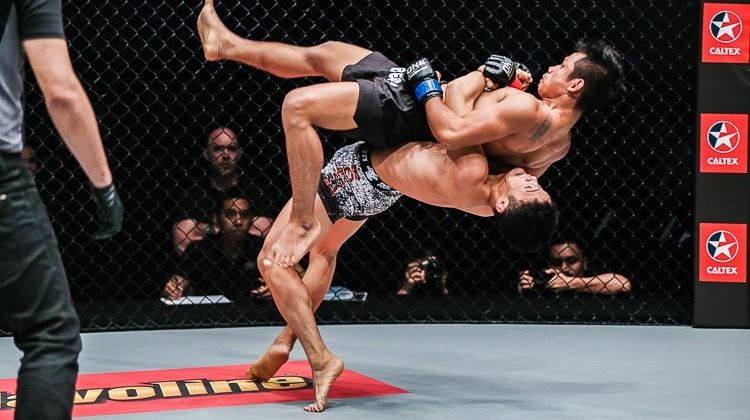
In examining the upper echelons of modern mixed martial arts, a dominant trend quickly emerges: elite wrestling backgrounds often serve as the bedrock of championship reigns. A quick survey of division titleholders and legendary competitors reveals a heavy concentration of world-class wrestling talent. Icons such as Daniel Cormier, Jon Jones, Robert Whittaker, Kamaru Usman, Khabib Nurmagomedov, Henry Cejudo, and Amanda Nunes all share exceptionally strong wrestling bases. The historical dominance of these grapplers over recent years solidifies wrestling’s position as arguably the most critical discipline in the sport.
Without a robust foundation in wrestling, a fighter’s ability to dictate where a bout takes place—whether shooting for explosive takedowns or developing impenetrable takedown defense—is severely compromised. Consequently, a superior wrestler often presents a stylistic nightmare for opponents who lack proficiency in this specific arena. This dynamic was vividly demonstrated at UFC 229 in October 2018, when former simultaneous two-division champion Conor McGregor suffered the most comprehensive defeat of his career at the hands of Khabib Nurmagomedov, an elite Sambo and grappling specialist.
Because traditional collegiate wrestling cultures do not exist in countries like Ireland, the United Kingdom, Thailand, and various other parts of Europe and Asia, fighters originating from these regions frequently lean toward stand-up fighting styles. However, when looking for a striking art that mirrors the sheer effectiveness and territorial dominance of wrestling on the feet, few disciplines come close to matching Muay Thai.

Muay Thai
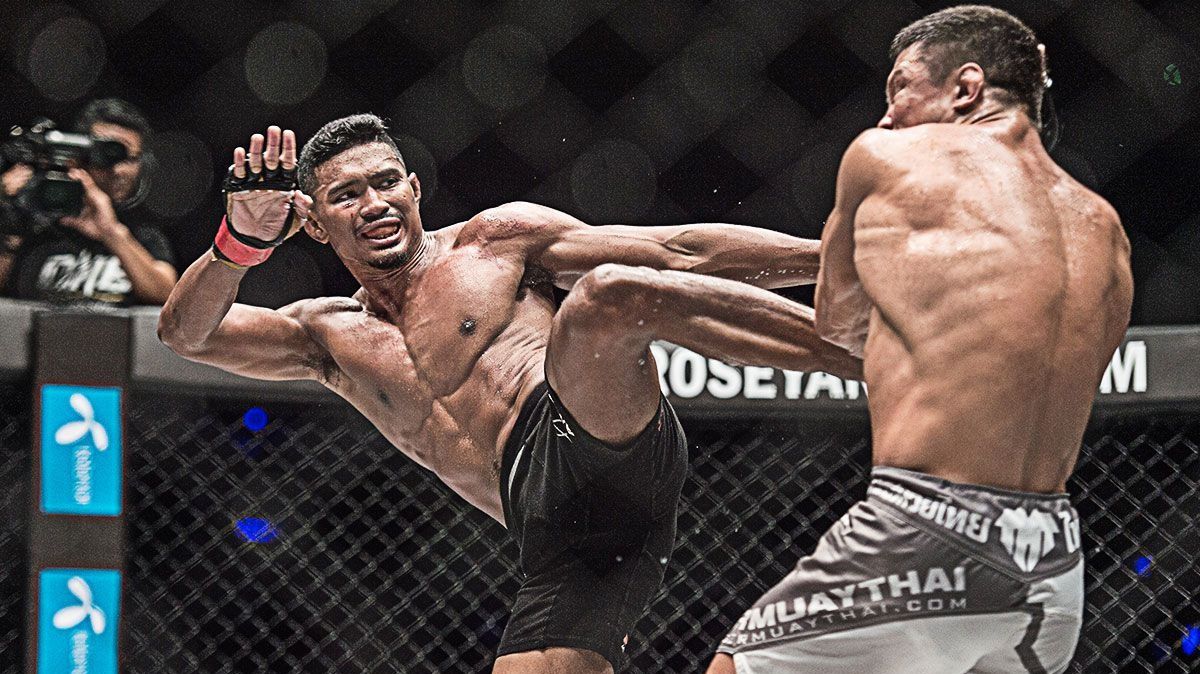
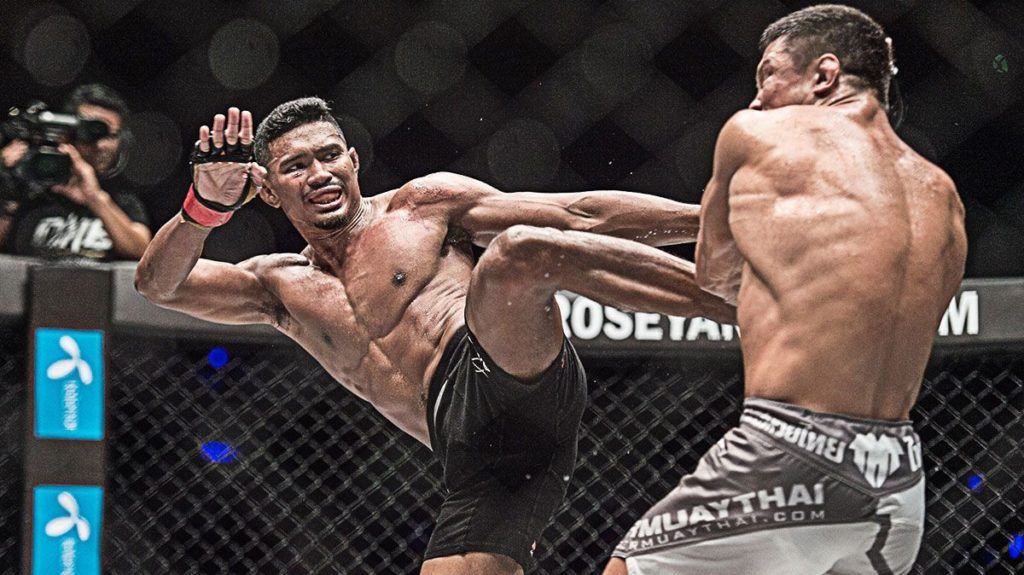
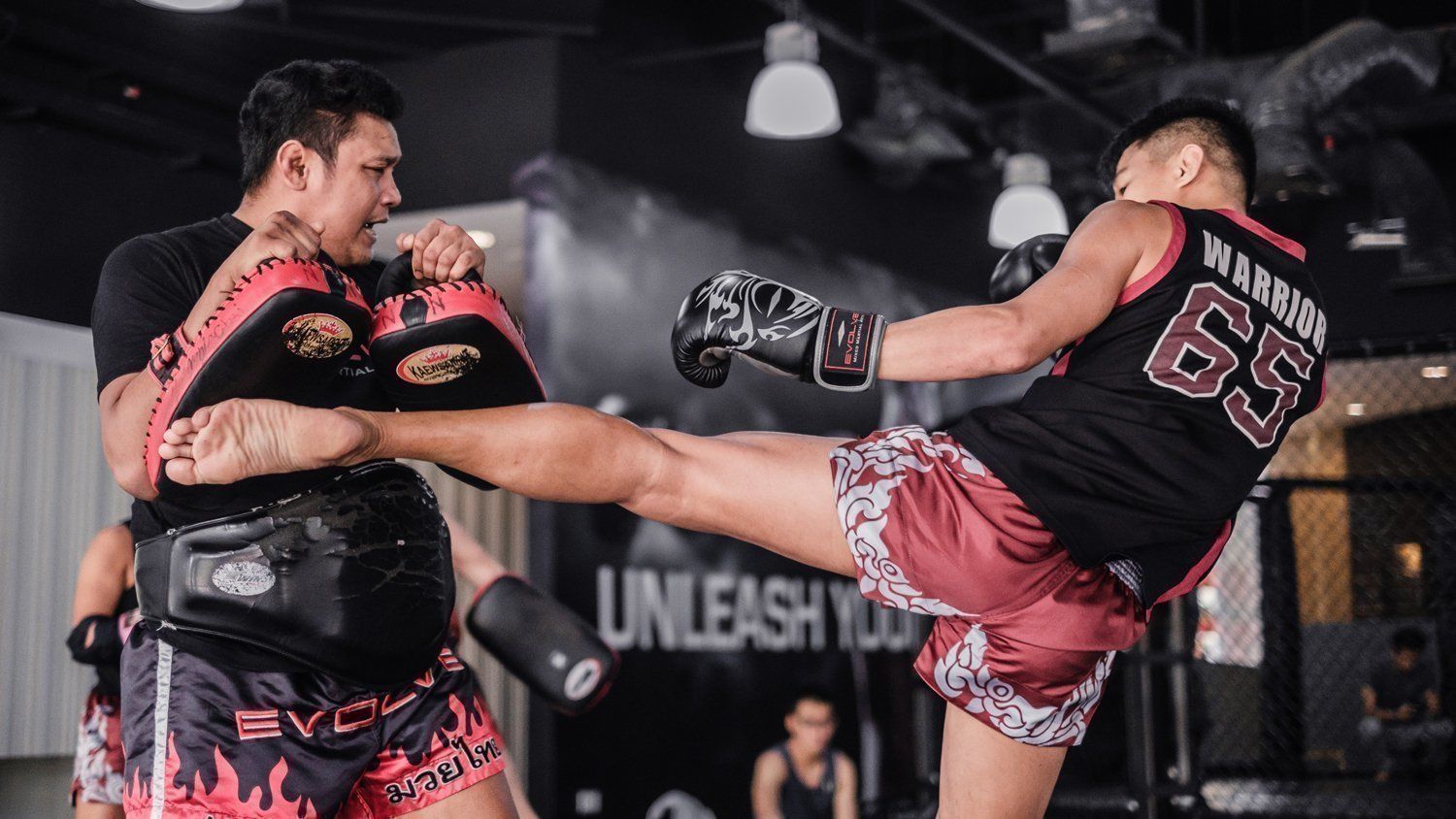
Often referred to as the "Art of the Eight Limbs," Muay Thai stands out as the most cultured, versatile, and devastating striking art utilized in mixed martial arts. By leveraging fists, elbows, knees, and shins, Muay Thai provides practitioners with an expansive arsenal of anatomical weapons capable of dismantling any adversary from close quarters or range.

Over the years, the sport has witnessed a parade of legendary strikers seamlessly translating Thailand’s national sport into devastating success inside the cage and ring. Luminaries such as Jose Aldo, Anderson Silva, Joanna Jędrzejczyk, Dejdamrong Sor Amnuaysirichoke, Wanderlei Silva, and Valentina Shevchenko have repeatedly showcased the sheer potency of Muay Thai. In ONE Championship, high-level strikers like Yodsanklai Fairtex and Sam-A Gaiyanghadao have continued to masterclass this art for modern audiences. Furthermore, the ubiquitous presence and deep reverence for Muay Thai training methodologies inside professional MMA gyms across the globe underscore its indispensable value as a striking base.

From stinging low leg kicks and linear teeps to suffocating clinches, sweeping throws, destructive roundhouses, and razor-sharp elbows, Muay Thai reigns supreme in the stand-up department of MMA. In terms of providing a comprehensive and devastating array of offensive and defensive striking options, no other single discipline compares to Muay Thai within a mixed martial artist’s arsenal.

Brazilian Jiu-Jitsu (BJJ)
The foundational history of modern MMA is inextricably linked to Brazilian Jiu-Jitsu. The UFC was co-founded by Rorion Gracie, a legendary BJJ master and prominent patriarch of the world-famous Gracie family. Gracie’s original mission was to demonstrate to the global sporting public that Brazilian Jiu-Jitsu was unquestionably the most effective martial art in existence. His brother, Royce Gracie, made a definitive and historic case for this claim by dominating the early tournament format, winning three of the first four Ultimate Fighting Championships, and coming within a whisker of a clean sweep had it not been for sheer physical exhaustion.

While the early to mid-1990s era featured opponents who were largely bewildered by the intricacies of BJJ, the modern landscape has evolved dramatically. Today, dedicated training in Brazilian Jiu-Jitsu is virtually mandatory for any athlete aspiring to achieve competitive success at the highest levels of the sport. The lineage of legendary competitors who have claimed championship titles and built stellar careers using BJJ submissions and transitional strategies is expansive.

From ubiquitous staples like the rear-naked choke and the armbar to specialized techniques such as the Von Flue choke and the Gogoplata, Brazilian Jiu-Jitsu remains as functionally vital to mixed martial arts as mechanical components are to an automobile.

Boxing
Despite being an independent combat sport with its own rich history, boxing is widely recognized as one of the most vital disciplines a mixed martial artist can integrate into their training regimen. Whether an athlete’s primary background is rooted in Muay Thai, kickboxing, Taekwondo, karate, or kempo, the ability to fluently throw a crisp jab, a powerful cross, a disruptive hook, and an explosive uppercut is a baseline expectation for any top-tier competitor.

Boxing, by its very nature, places an immense emphasis on footwork, distance management, head movement, the ability to cut angles, and finding innovative openings to land clean strikes on an opponent. Although traditional boxing prohibits contact and strikes below the waist—meaning it cannot serve as a standalone base for a comprehensive MMA striking strategy—the tactical advantages gifted by advanced boxing IQ inside the cage are immeasurable.

Throughout the history of modern promotions, elite athletes such as Max Holloway, Jorge Masvidal, Conor McGregor, Nick and Nate Diaz, and Georges St-Pierre have consistently prioritized and showcased exceptional boxing acumen to dictate the pace and outcome of their bouts.

Kickboxing
While Muay Thai often brings a distinct cultural depth and traditional nuance to the cage, numerous elite fighters have climbed through the combat sports ranks primarily as kickboxers before establishing themselves as MMA forces. High-profile athletes including Stephen "Wonderboy" Thompson, Israel Adesanya, Holly Holm, Michael "Venom" Page, Mirko Cro-Cop, and Alistair Overeem have successfully leveraged their kickboxing credentials to flourish at the highest levels of the sport.

Although kickboxing serves as an exceptional and proven striking base, it occasionally sits behind Muay Thai in the context of MMA due to a more restricted weapon set, particularly regarding the absence of traditional elbow strikes and clinch fighting. Nevertheless, kickboxing remains an indispensable pillar of modern MMA striking, earning its place among the most effective and widely practiced disciplines in the sport. While some analysts have argued that disciplines like Taekwondo or traditional karate offer unique spatial advantages, practitioners of those specific martial arts have historically experienced varying degrees of success when forced to adapt their styles to the multi-faceted demands of the cage.