

As mixed martial arts continues to experience unprecedented global growth, the infrastructure supporting the sport—particularly the role of judges and referees—finds itself thrust squarely back into the limelight. Following a recent wave of high-profile controversial decisions, proposed rule changes, and intense public scrutiny, critical conversations have emerged regarding whether pursuing officiating as a professional career path is genuinely worthwhile. The combination of low initial compensation, high stress, and relentless public criticism makes for a grueling career trajectory.
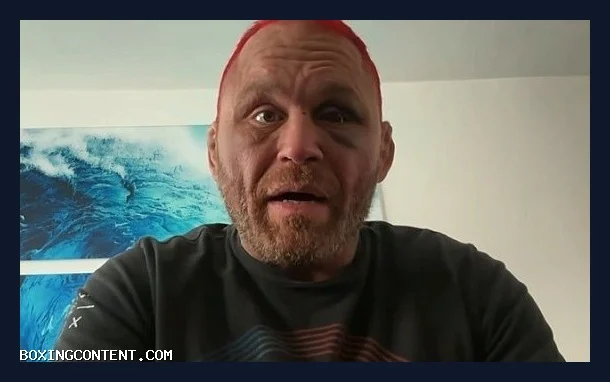
According to former Ultimate Fighting Championship standout Chris Leben, who transitioned from the active cage to working as an official within the California State Athletic Commission, stepping into the roles of referee and judge is not a path chosen for financial gain. Instead, Leben insists that longevity in officiating requires an absolute, unyielding passion for the sport and a deep-seated desire to give back to the mixed martial arts community that shaped them.
Leben, who famously competed inside the Octagon from 2005 to 2013 and captured the hearts of fans worldwide with his relentless, all-action fighting style, knows firsthand what it takes to survive in the combat sports world. However, transitioning from elite-level competitor to a respected authority figure on the other side of the canvas required a completely different kind of endurance. Speaking candidly about his post-fighting career, Leben detailed the arduous journey and financial sacrifices required just to reach a professional level within athletic commissions.
Chris Leben Details the Sacrifices Involved in Becoming an MMA Official
The reality of starting out as a mixed martial arts official is far removed from the bright lights and major pay-per-view events that fans see on television. Leben revealed that aspiring referees and judges receive virtually no financial compensation at the start of their careers. Breaking down the timeline during an appearance on Ariel Helwani’s show, the veteran fighter-turned-official shared that it took him six long years of unpaid and underpaid work simply to reach the professional tier.
For most individuals hoping to make a mark in officiating, a traditional day job is an absolute necessity to keep up with everyday living expenses. The initial phase of the journey is defined by long hours, extensive travel, and substantial personal sacrifices with very little immediate return.
“It took me six years to get to that level,” Leben told Ariel Helwani, outlining the steep learning curve and lack of financial safety nets for newcomers. “You better be ready to work for free for a few years… You got to officiate because you love to do it. You love the sport. You want to give back. You’re not doing it because you got to pay the bills. You got to find a job to do that. I don’t get paid to officiate. I get paid a little bit to travel and be away from my family.”
Leben’s perspective highlights a structural vulnerability within the sport. While promotions, television networks, and fighters generate millions of dollars, the individuals tasked with ensuring fair play, fighter safety, and accurate scoring often operate under severe financial constraints during their developmental years. Even after achieving veteran status and working at the highest levels of state-regulated commissions, Leben argues that compensation structures fail to reflect the immense responsibility and expertise required to properly officiate professional mixed martial arts bouts.
The former "The Ultimate Fighter" contestant emphasized that without proper compensation for established professionals, the sport risks losing its best minds to burnout. When officials are stretched thin, forced to balance demanding day jobs with the rigorous travel schedules required by athletic commissions, the long-term health and accuracy of the sport can be compromised.
“After you do it for many years and you become the best in your field, if you want to keep that guy… you should pay him what he’s worth,” Leben asserted. “Otherwise, eventually he’s going to get burnt out.”
This candid assessment comes at a time when the broader mixed martial arts community is increasingly hyper-focused on the decisions rendered inside the cage. Every scorecard and every referee stoppage is scrutinized by millions of fans, analysts, and fighters on social media. Yet, as Leben points out, the foundational education and unglamorous groundwork required to produce competent officials happen far away from the public eye, sustained almost entirely by personal dedication rather than financial incentive.
Leben’s unique perspective is forged from a lifetime spent inside the combat sports ecosystem. After initially hanging up his four-ounce gloves following a tough loss to Urijah Hall in 2013, Leben stepped away from active competition for years to focus on his health, personal life, and officiating duties. However, the competitive fire never fully extinguished.
Demonstrating that his passion for combat sports extends far beyond judging scorecards from cageside, Leben recently made a surprising return to active competition at the age of 46. Demonstrating the toughness that made him a fan favorite during his prime years in the UFC, Leben secured a hard-fought split-decision victory over former rival Yoshihiro Akiyama. The bout took place under the Black Combat banner in South Korea, bringing his storied rivalry full circle and proving that his ties to active fighting remain remarkably strong even as he builds a respected career as a state-commissioned official.