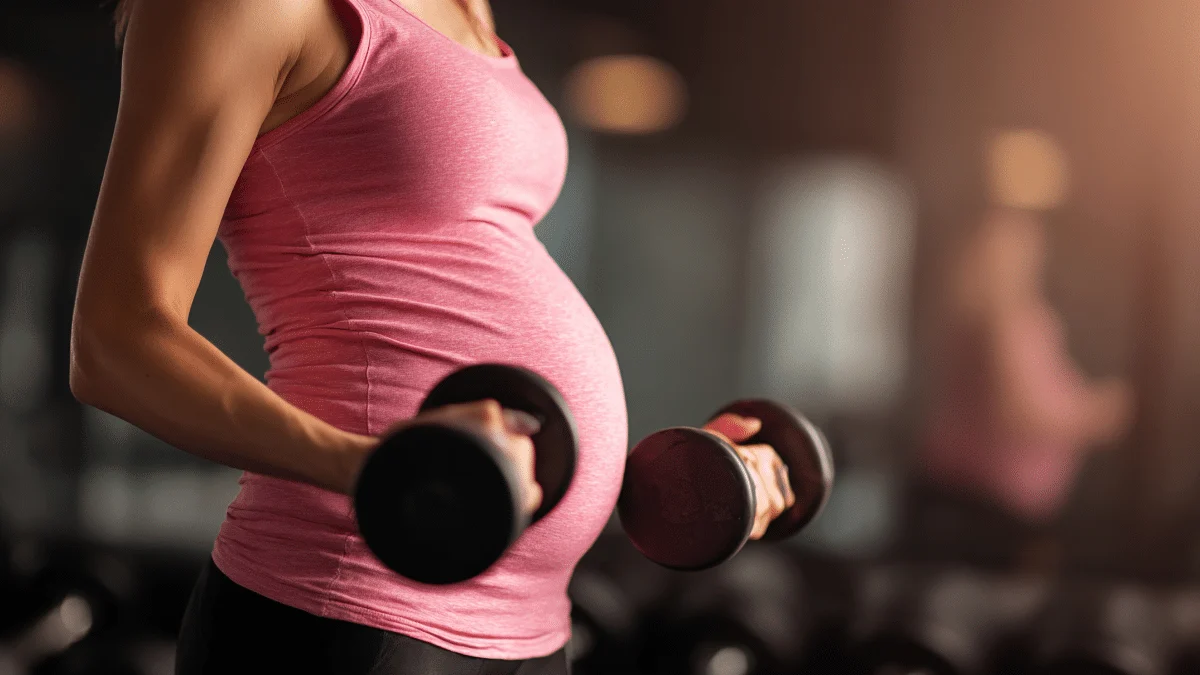
For generations, pregnant individuals have been met with a barrage of unsolicited advice, cautionary tales, and deeply entrenched warnings regarding physical exertion. Among the most pervasive myths is the notion that lifting weights or engaging in resistance training during pregnancy is inherently dangerous, capable of harming the developing fetus, and bound to trigger severe complications. For decades, these fears have been propagated through cultural lore and anecdotal caution, usually resting on a foundation of little to no actual scientific evidence.
However, as the body of sports science and maternal health research expands, a clearer, evidence-based picture is emerging. What does the empirical evidence actually say about lifting weights while expecting?
A recently published systematic review and meta-analysis involving an expansive pool of 50 studies and over 47,000 participants has shed much-needed light on this topic. The exhaustive research project evaluated the physiological and psychological effects of resistance training across a wide plethora of pregnancy-related variables. Researchers tracked outcomes ranging from fundamental prenatal health and gestational development all the way to delivery dynamics and postpartum pelvic floor symptoms, offering a comprehensive overview of how strength training interacts with the pregnant body.
The findings challenge decades of conventional medical conservatism. According to the meta-analysis, incorporating resistance training—typically structured as part of a balanced exercise routine—resulted in a remarkable approximately 50 percent reduction in gestational hypertension. Gestational hypertension is a serious condition characterized by high blood pressure during pregnancy, which can escalate into severe complications for both the parent and the child if left unmanaged. A similarly profound relationship was observed regarding gestational diabetes, another common and potentially high-risk pregnancy complication. The data revealed that resistance training resulted in an approximately 38 percent reduction in the likelihood of developing gestational diabetes.
Beyond these significant metabolic and cardiovascular protections, the research uncovered striking psychological benefits. Interestingly, resistance training also reduced the risk of perinatal mood disturbances by approximately 50 percent across both the prenatal and postpartum periods. This dual impact suggests that maintaining strength training routines while expecting offers deeply promising outcomes for both physical health and psychological well-being, helping to mitigate anxiety, depression, and mood fluctuations during a time of intense hormonal and life transitions.
Just as fascinating as the documented benefits is what the data revealed about the risks that people are traditionally taught to fear. For years, expectant mothers have been warned that lifting weights could trigger premature labor, necessitate emergency surgical interventions, or cause severe physical trauma. Yet, the meta-analysis found that resistance training did not result in an increase in these commonly worried-about risks.
Specifically, rates of preterm birth, Caesarean delivery, and perineal injury appeared strikingly similar between individuals who engaged in regular resistance training and those who did not. While there was some evidence suggesting that those who exercised experienced a somewhat longer first stage of labor, this occurred without any clinically meaningful differences in the second stage of labor.
Furthermore, vital neonatal metrics such as birthweight, gestational age, and the overall likelihood of delivering either a very small or a very large baby remained unaffected by resistance training. In fact, macrosomia—a clinical term for babies born with a larger-than-normal birthweight—was actually less common among individuals who maintained a resistance training routine. When researchers examined pelvic floor symptoms, limited data demonstrated that individuals who either maintained or actively increased their muscular strength throughout pregnancy reported lower rates of overall pelvic floor complications.
It is important to contextualize the parameters of the research. The resistance training protocols analyzed across the majority of these studies consisted primarily of short sessions involving light lifting, frequently combined with other forms of generalized physical activity. However, that conservative approach does not universally define the boundaries of safe prenatal lifting.
A couple of years ago, researchers and sports science analysts covered a landmark study documenting the impact of continuing much more intense weightlifting modalities—specifically competitive weightlifting movements like the snatch and the clean and jerk—as well as high-intensity CrossFit training throughout pregnancy. Remarkably, those rigorous routines yielded similarly promising, positive results.
To give credit where it is due, both of these pivotal papers—the prior study focusing on dedicated weightlifters and CrossFit athletes, as well as the present comprehensive meta-analysis—were headed up by Dr. Christina Prevett and Dr. Margie Davenport. The scientific community and expectant parents alike owe a debt of gratitude to these researchers for advancing empirical understanding and helping to dismantle persistent stigmas surrounding heavy physical exertion during pregnancy.
Adding to this growing mountain of positive evidence, new research suggests that resistance training may also support significantly better day-to-day well-being throughout the entirety of a pregnancy. A 2025 systematic review of randomized controlled trials reported notable improvements in overall quality of life among pregnant individuals who lifted weights. These improvements included reduced daily fatigue, better and more restorative sleep, fewer generalized aches and pains—particularly the low back and pelvic discomfort that so frequently accompanies advancing gestation—and superior overall physical functioning.
When viewed as a cohesive whole, the current scientific literature paints a reassuring picture. Lifting during pregnancy, when appropriately prescribed, monitored, and tailored by a qualified health or fitness professional, appears to be not only entirely safe but a resounding net positive for maternal and fetal health.
For those looking to stay informed on the intersection of rigorous science and practical training applications, the Stronger By Science weekly newsletter features regular summaries of the latest research alongside actionable training tips for athletes of all backgrounds and life stages.