

Like many pursuits in daily life, achieving a desired destination in the martial arts often allows for multiple paths. To arrive at a workplace in the morning, for instance, some commuters choose to walk, while others prefer to drive. Those fortunate enough to own a motorcycle might navigate city traffic on two wheels, whereas others rely entirely on public transport networks. What ultimately dictates these choices isn’t a single universal preference, but rather a combination of practical factors: distance, vehicle ownership, financial constraints, and time efficiency. Someone living just blocks from their office naturally opts to walk, while a suburban commuter finds a train more cost-effective and faster than a crowded bus.

In the ancient art of Muay Thai, these exact same principles govern athletic development. Practitioners utilize whatever physical assets are at their disposal, provided those tools fulfill the strategic objective, maximize convenience, and secure victory in the most efficient manner possible. Not every practitioner is blessed with towering limbs or god-given explosive athleticism, just as some fighters must compensate for a natural lack of raw punching power through superior technique and timing. The core challenge of martial arts training lies in recognizing one’s own innate physical profile and leveraging those characteristics to gain a distinct competitive advantage inside the ring.

Understanding and Developing Your Style
Grasping which fighting style truly suits an individual competitor is a complex undertaking that resists quick fixes. Within the disciplined environment of Muay Thai, this evolutionary process demands relentless time, unyielding effort, and immense patience. Sharpening technical execution while identifying glaring defensive vulnerabilities requires constant repetition, rigorous pad work, and objective feedback from experienced coaches and dedicated training partners. Novice practitioners frequently misjudge their own physical capabilities, initially believing their body type and temperament align with one specific tactical approach, only to discover through hard sparring that they have miscalculated.

Beginners entering the gym must master foundational movements before attempting to decorate their offensive and defensive repertoires with advanced flair. Once these elemental phases of athletic development are securely established, fighters earn the time needed to concentrate on refining a specialized combat style. Although shortcuts do not exist in traditional striking arts, dedicated practitioners can systematically improve their operating efficiency, strike accuracy, and defensive resilience behind the ropes. The only reliable method for finding the correct style and truly understanding the sport from the perspective of an advanced competitor is to work persistently toward that elevated level of expertise.
Using Your Body to Your Advantage

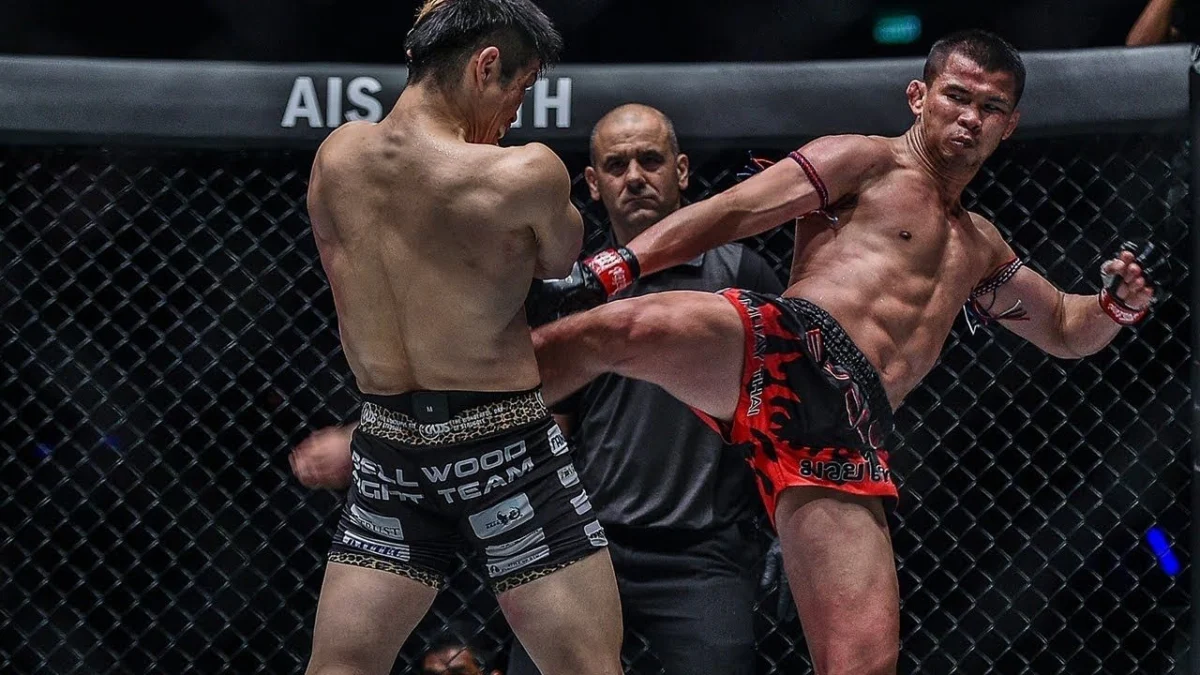
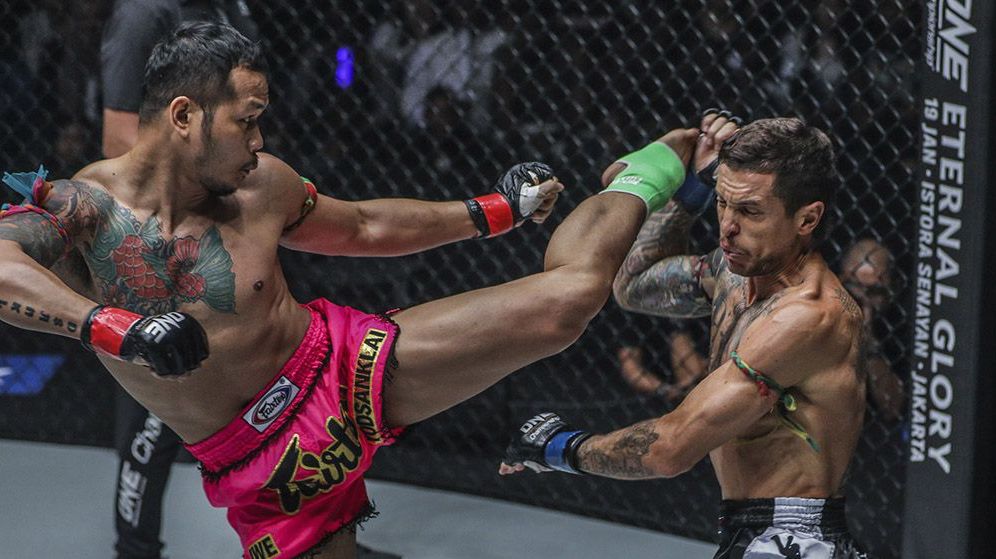
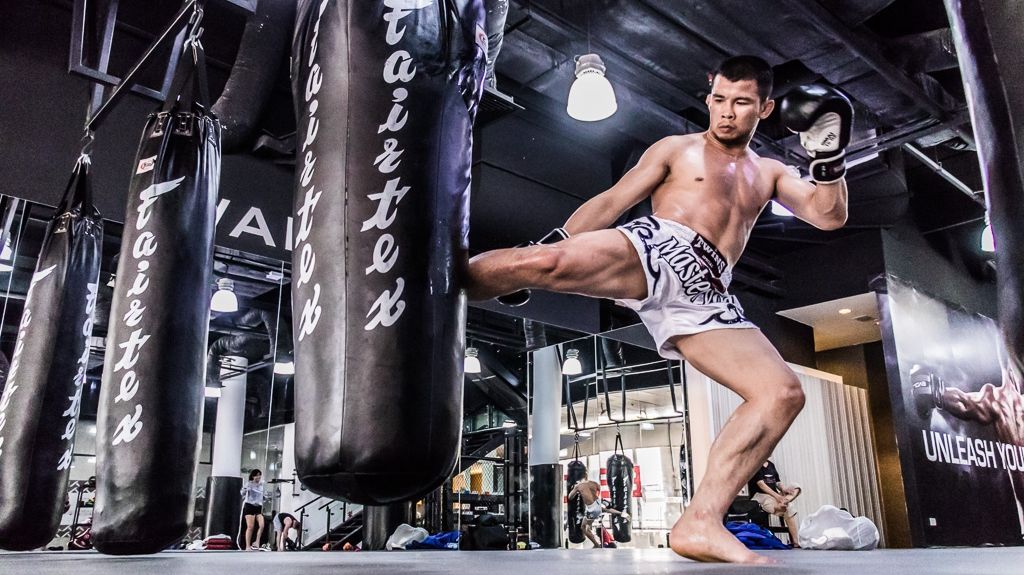
As athletes move past the beginner stage into regular sparring sessions and competitive bouts, constructive technical input from trainers and teammates becomes invaluable. One of the greatest contributions a genuine coach can make is teaching a fighter how to exploit their unique body type and inherent physical attributes. For instance, a competitor who stands shorter than their peers but moves with exceptional lightness, speed, and technical precision—while perhaps lacking heavy knockout power and the ability to absorb sustained punishment—may naturally gravitate toward the Muay Femur, or technical fighter, style. Nevertheless, sports analysts widely regard this technical approach as one of the most demanding and difficult frameworks to master.

Conversely, a tall, rangy athlete possessing exceptional leverage for landing knees and elbows while operating effectively within the clinch finds greater success adopting the Muay Khao, or knee fighter, style. Conversely, a smaller competitor who routinely struggles against taller opponents and lacks the physical strength to inflict significant structural damage would find little success trying to force a knee-centric strategy. Their anatomical traits simply do not align with the foundational requirements of that style.

A critical milestone for beginner and intermediate competitors is achieving a realistic understanding of their physiological profile. Many enthusiasts spend countless hours admiring legendary champions and attempting to mimic their signature maneuvers. Yet, a fighter with a slender, long-limbed frame gains little by trying to emulate a bruising pressure style better suited for shorter, robust athletes who can safely absorb damage to close the distance. Matching technique to anatomy remains paramount for sustainable success.

Doing Your Homework

The guidance provided by trainers and stablemates is crucial for steady progression, but fighters must ultimately invest their own sweat and dedication into the craft. Expecting instructors to hold a student’s hand through every technical problem or drilling session underestimates the independent study required in martial arts. Competitors must perform comprehensive homework when searching for their ideal fighting style. Some lessons learned along the way are inherently punishing—such as realizing through hard experience that short limbs do not naturally suit long-range fighting from the outside. Yet, intelligent athletes who approach their training with analytical passion invariably achieve their goals.

Investing time in reading about the diverse lineages and tactical philosophies of Muay Thai deepens a practitioner’s comprehension of how specific strategies function under pressure. Beyond physical training, expanding one’s knowledge base through instructional literature, fight video breakdowns, and historical analysis of how elite champions executed their strategies creates a well-rounded martial artist. While sparring provides practical testing grounds, theoretical study remains equally vital for long-term growth. Observing historical footage of icons who mastered these distinct styles offers priceless visual templates, encouraging students to analyze how height, reach, and tactical emphasis shaped the legacies of the sport’s greatest competitors.

Putting it All Together

The early chapters of any Muay Thai journey should be marked by enthusiasm and optimism. Minor injuries, plateaus, and moments of self-doubt are natural components of athletic maturation, serving as tests of character and gauges of an individual’s resilience. Every setback functions as an evaluation of a fighter’s true willingness to succeed, because enduring hardship frequently paves the way for meaningful achievement. With proper application, discipline, and respect for the tradition of the art, practitioners eventually discover which techniques yield results inside the ring. Muay Thai demands complete dedication from its students, returning rewards that directly reflect the effort invested on the canvas.