

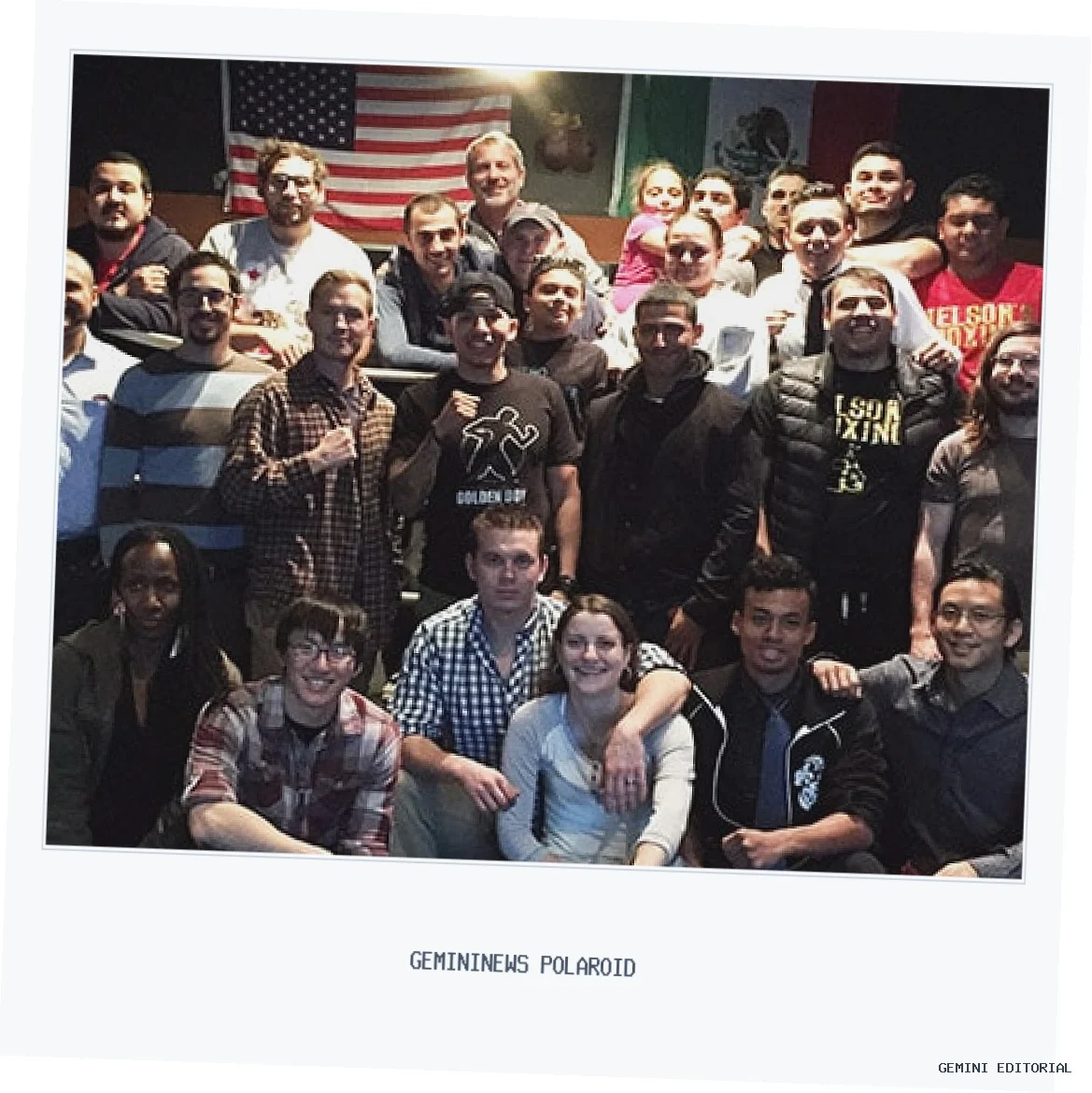
For many combat sports enthusiasts, the journey into boxing begins not in a pristine commercial facility or under the guidance of a high-profile coach, but out of absolute necessity. When nearby gyms are nonexistent, local trainers are unavailable, or training partners are nowhere to be found, aspiring practitioners often face a stark choice: abandon their athletic ambitions or construct their own training environments from scratch.
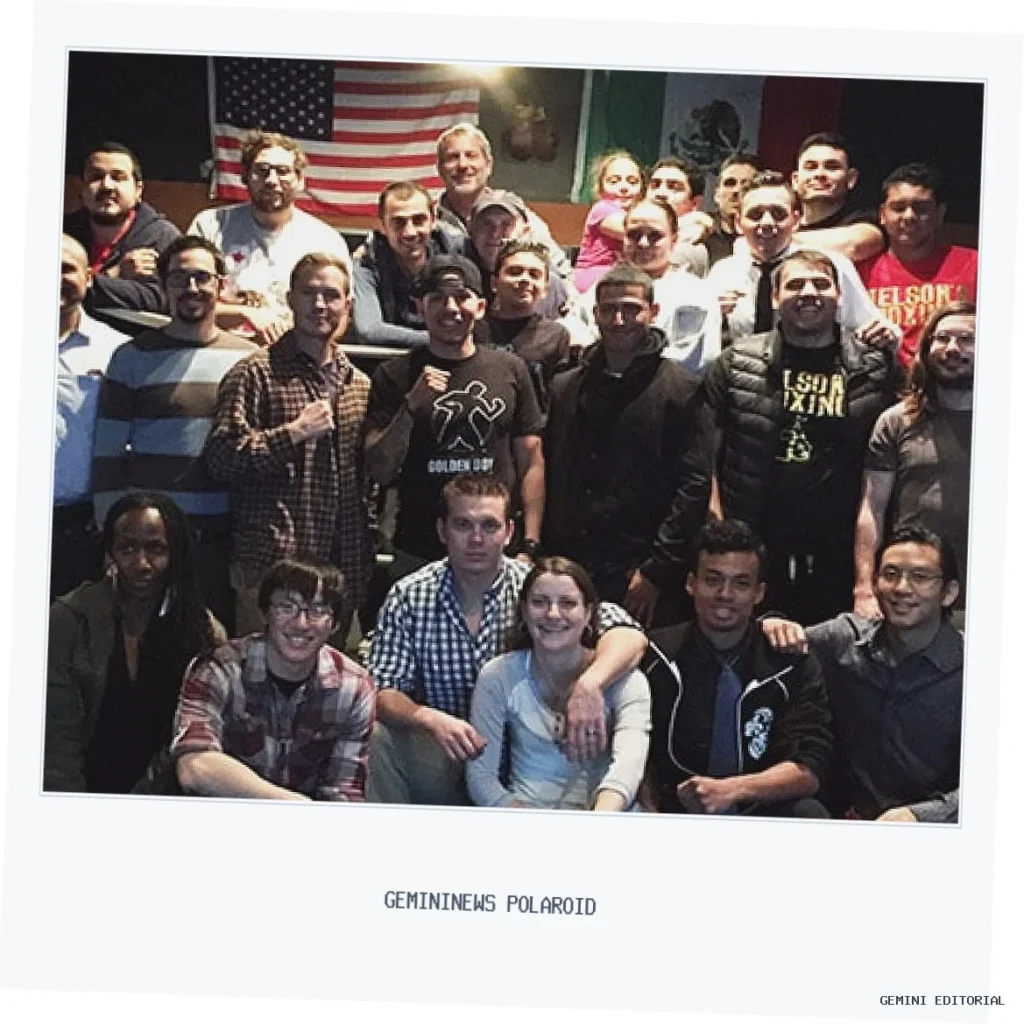
Over the past decade, grassroots initiatives have demonstrated that establishing an independent boxing club is not only viable, but can evolve into a transformative community pillar. What frequently starts as a casual arrangement between two friends training in a backyard or public park can steadily expand into a flourishing network comprising hundreds of dedicated members. Beyond providing physical fitness and technical instruction, these self-funded, community-driven clubs foster deep social bonds, creating welcoming spaces where members form lifelong friendships and shared support systems that extend far beyond the ring.
Building a sustainable boxing community requires very little financial capital at the outset. Instead, its success relies on structured organization, an inclusive atmosphere, strategic recruitment, and a steadfast focus on personal growth rather than intimidation.
       +-------------------------------------------------------+
       |           GRASSROOTS BOXING CLUB EVOLUTION            |
       +-------------------------------------------------------+
       |  1. FOUNDATION                                        |
       |     • Digital Learning & Technique Research           |
       |     • Open-Minded Approach to Boxing History & Styles |
       |     • Two-Person Training Partnerships                |
       +-------------------------------------------------------+
                                   |
                                   v
       +-------------------------------------------------------+
       |  2. LOGISTICS & ATMOSPHERE                            |
       |     • Public (Visibility) vs. Private (Focus) Venues  |
       |     • Weekday Evening Scheduling & Shared Meals       |
       |     • Essential Gear & Resourceful Equipment Sourcing |
       +-------------------------------------------------------+
                                   |
                                   v
       +-------------------------------------------------------+
       |  3. RECRUITMENT & COMMUNITY CULTURE                   |
       |     • Social Media Media Sharing (Focus on Fitness)   |
       |     • Building Core Membership (5-10 Members)         |
       |     • Radical Inclusivity & Screening Bad Actors      |
       +-------------------------------------------------------+
                                   |
                                   v
       +-------------------------------------------------------+
       |  4. SUSTAINABILITY & LEADERSHIP                       |
       |     • Engaging Non-Combatants (Media, DJ, Logistics)  |
       |     • Off-Canvas Social Events & Digital Chat Groups  |
       |     • Emergent Leadership & Sub-Group Management      |
       +-------------------------------------------------------+
Foundations of Knowledge and Open-Minded Training
Embracing Digital Learning and Historical Context
The initial phase of building a independent boxing club begins with acquiring foundational technical knowledge. In the absence of a traditional head coach, accessible digital resources offer an unprecedented wealth of instructional material. Aspiring club leaders can study technique through online video tutorials, analysis articles, and breakdown guides provided by experienced trainers worldwide.
A critical element during this educational phase is maintaining an open mind regarding boxing styles. Beginners frequently fall into the trap of obsessing over a single iconic fighter, attempting exclusively to imitate the explosive power of Mike Tyson or the defensive shoulder-roll mechanics of Floyd Mayweather. Experienced trainers emphasize that such rigid attitudes severely limit an athlete’s development. Because every individual possesses unique physical attributes, leverage, and cognitive rhythms, club leaders must encourage members to explore diverse techniques to discover what best suits their personal biomechanics.
Equally important is immersing oneself in the rich historical context of the sport. Boxing history extends well beyond tactical maneuvers inside the squared circle; it has historically intersected with broader cultural movements, influencing cinema, music, dance, politics, and social progress. Understanding this heritage builds genuine passion, enabling club founders to share a deep appreciation for the sport with incoming members.
The Mechanics of Early Growth: Partnership, Scheduling, and Location
Starting Small with Shared Objectives
Launching a functional boxing club does not require a massive initial turnout. In reality, a club officially begins with just two individuals committed to regular training. Whether partners are identical in weight and fitness level is secondary to their shared commitment to safety and mutual improvement. The primary directive at this stage is clear: train purposefully while prioritizing mutual safety to ensure consistent progression.
Navigating Public versus Private Workouts
Selecting an appropriate training location presents distinct advantages depending on whether the setting is public or private. Training in public spaces, such as municipal parks or open green areas, serves as an organic marketing tool. Passersby frequently pause out of curiosity, creating natural opportunities for club founders to initiate conversations, build rapport, and invite interested onlookers to join subsequent sessions.
Conversely, private locations—such as residential garages, basements, or rented multi-purpose rooms—offer complete control over the training environment. Private spaces shield practitioners from outside distractions, allowing for customized music, focused tactical work, and technical sparring sessions that might otherwise alarm members of the public unfamiliar with combat sports safety protocols. As a club expands in size and complexity, the necessity for a dedicated private facility typically increases.
Strategic Timing and Sustainable Intensity
Establishing a consistent, reliable schedule is essential for long-term retention. Experience indicates that targeting middle-of-the-week slots—specifically Monday through Thursday evenings—yields higher participation rates than weekends, which are often reserved for social events, family obligations, or travel.
The strategic timing of workouts relative to public transportation and meal schedules plays a substantial role in building club cohesion. In smaller towns, scheduling must align with local transit operating hours, whereas in major metropolitan areas, sessions should be timed to avoid peak commute traffic. Furthermore, concluding evening workouts in time for members to share a post-training meal accelerates camaraderie, transforming workout partners into close friends.
Regarding workout design, sustainability must take precedence over extreme exhaustion. Clubs that push novice members to absolute physical collapse often suffer high attrition rates, as participants feel discouraged by unrealistic benchmarks. Boxing in a community setting should remain an engaging, enjoyable hobby where high-level physical conditioning naturally develops as a positive byproduct rather than a punitive requirement.
Equipment, Social Media Visibility, and Overcoming Skepticism
Resourceful Gear Sourcing
A major misconception surrounding combat sports facilities is the belief that high-end, specialized machinery is required from day one. In truth, a boxing club can launch with minimal physical gear, acquiring equipment incrementally over time. Initial sessions require little more than hand wraps, jump ropes, and basic focus mitts or gloves.
Founders can often source second-hand training gear at minimal cost through local community listings, online marketplaces, or donations from individuals clear out unused home exercise equipment. As the club’s financial resources and membership base stabilize, investments can naturally progress toward heavy bags, specialized protective gear, and portable canvas rings.
Leveraging Digital Platforms and Managing Criticism
Modern club growth relies heavily on digital visibility. Documenting training sessions, technical drills, and personal fitness milestones on social media platforms offers prospective members a transparent view into the club’s atmosphere.
When creating public content, focusing on camaraderie, skill development, and overall fitness yields far better recruitment results than highlighting aggressive knockout footage. Displays of excessive violence frequently intimidate beginners, many of whom harbor underlying anxieties about their physical readiness or safety. Demonstrating that the environment is supportive and accessible to all skill levels helps overcome these initial reservations.
Inevitably, public digital visibility attracts online criticism and unsolicited commentary from internet detractors. Club leaders must recognize that legitimate combat sports practitioners rarely spend time diminishing others online; they remain focused on their own athletic progress. Disregarding cynical commentary and maintaining a positive, welcoming narrative ensures the club continues to attract constructive participants.
Recruitment, Inclusivity, and Cultural Stewardship
Expanding Beyond the Core Membership
Once a stable core of 5 to 10 members is established, organic expansion typically accelerates. Core members begin introducing friends, family members, coworkers, and partners to the group. Over time, training sessions begin welcoming unfamiliar faces through direct referrals.
Sustaining this expansion requires radical inclusivity. Successful club leaders refrain from making premature assumptions about an individual’s potential based on age, gender, body composition, background, or initial athletic aptitude. A beginner who appears unconditioned may undergo a dramatic physical transformation over several years, while an unassuming participant may possess exceptional dedication and tactical intelligence. Welcoming all positive individuals ensures a rich, diverse member base.
Concurrently, club leaders must actively protect the group from negative influences. Because combat sports can occasionally attract individuals driven by aggression or a desire to inflict harm, firm boundaries are necessary. Personalities that exhibit hostility, disregard safety rules, or compromise the supportive environment must be promptly filtered out to maintain group safety and morale.
Setting Identity and Integrating Non-Combat Roles
Every club inevitably reflects the personality and values of its leadership. Establishing explicit ground rules, expectations, and training routines prevents disorder and ensures that all participants understand the club’s culture.
A structured training session should seamlessly accommodate varying participant goals, balancing fitness enthusiasts, technical casuals, and competitive athletes. Furthermore, individuals who are hesitant to spar or engage in intense physical drills can still contribute meaningfully to the community. Engaging non-combat participants in essential operational roles—such as recording video footage, managing music, assisting with hand-wrapping, keeping time, or coordinating logistical details—allows them to stay involved and valued within the organization.
                  +-----------------------------------+
                  |   GRASSROOTS CLUB MEMBERSHIP      |
                  +-----------------------------------+
                                    |
          +-------------------------+-------------------------+
          |                         |                         |
          v                         v                         v
+-------------------+     +-------------------+     +-------------------+
| FITNESS MEMBERS   |     | TECHNICAL CASUALS |     |   COMPETITORS     |
| Focus:            |     | Focus:            |     | Focus:            |
| Conditioning &    |     | Skill Building &  |     | Sparring &        |
| Stress Relief     |     | Controlled Drills |     | Tournament Prep   |
+-------------------+     +-------------------+     +-------------------+
          |                         |                         |
          +-------------------------+-------------------------+
                                    |
                                    v
                  +-----------------------------------+
                  |      SUPPORTIVE CONTRIBUTORS      |
                  | Roles: Media, Corner Support,     |
                  | Logistics, Hand-Wrapping          |
                  +-----------------------------------+
Broadening Engagement and Fostering Leadership
Off-Canvas Activities and Digital Communities
To transition a group from a collection of gym acquaintances into a true community, interaction must occur outside of scheduled workouts. Creating dedicated communication channels—such as private group messaging chats—provides a space to share fight footage, technical breakdowns, training tips, and casual conversation.
Additionally, organizing off-canvas group activities strengthens social bonds. Attending professional boxing events together, watching championship broadcasts, or gathering for non-sporting social events builds genuine friendships. Over time, these shared experiences solidify the club’s foundation, creating a supportive network that enriches members’ personal lives.
Managing Scale Through Emergent Leadership
As a boxing club expands into a large organization, managing operations becomes too vast for a single founder to handle independently. At this stage, empowering secondary leadership becomes vital to maintaining order and personal connection.
Emergent leaders often surface naturally within the gym. Certain experienced members instinctively mentor newcomers, assist with equipment management, or organize specific training stations. By delegating responsibilities and encouraging these natural leaders to oversee distinct aspects of the facility, the club can scale efficiently without losing the close-knit, welcoming atmosphere that drove its original success.
Ultimately, establishing a thriving boxing club relies far less on elite athletic pedigree or extensive financial backing than on consistent dedication, clear communication, and an unyielding commitment to community building. By creating a safe, inclusive, and structured environment, grassroots organizers can transform a basic passion for boxing into an enduring, life-changing institution.