

Former UFC middleweight champion Israel Adesanya has finally pulled back the curtain on one of the most shocking and unexpected developments in modern mixed martial arts history: his decision to part ways with his longtime team at City Kickboxing and head coach Eugene Bareman.
The split marked the definitive end of an era that lasted over 16 years. Together, Adesanya and Bareman forged a partnership that propelled the charismatic striker from a promising prospect into one of the greatest middleweights of all time. Under the banner of City Kickboxing, Adesanya dominated the UFC
’s 185-pound division, capturing the championship, defending it multiple times, and constantly looming as a towering threat at the very top of the organization’s prestigious pound-for-pound rankings.
Yet, despite the historical success and the deep roots they planted together in Auckland, New Zealand, Adesanya has reached a point where he can openly acknowledge that walking away was the absolute right decision for the longevity and health of his career. Reflecting on the monumental life change, the veteran fighter did not shy away from heavy emotions, comparing the entire grueling ordeal to a toxic, failing relationship that simply had to be terminated for his own well-being.
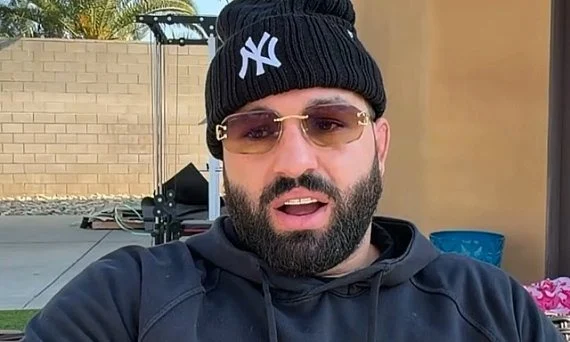
Speaking candidly to his followers on his official YouTube channel, Adesanya detailed the psychological hurdles he had to clear before finally making the definitive break.
"It was a hard decision," Adesanya said on his YouTube channel. "It could have been worse than a breakup, but you’ve had bad breakups before, we all have. Sometimes when I was younger you feel, I’ve spent so much time with this person, I’ve invested so much, I don’t want to lose all those years. Then you stick to it, regardless of the disrespect, the manipulation. You stick with them because you don’t want those [years] to go to waste."
The trap of the sunk-cost fallacy is a common psychological barrier not just in personal relationships, but in high-stakes professional athletics, where athletes often conflate loyalty to a gym with enduring loyalty to themselves. For over a decade and a half, Adesanya had poured his sweat, tears, and prime athletic years into the gym culture cultivated by Bareman. Over time, however, the dynamic shifted, leading Adesanya to the sobering realization that holding on out of nostalgia or fear of lost time was doing more harm than good to his mental clarity and competitive edge.
"But then as I got older, I can see things for what they are," Adesanya continued. "As hard as it was, it was also really easy once I got it done. I ripped the Band-Aid off. I could see the forest for the trees. It was good to get clarity."
When he officially severed ties with the gym that had defined his professional identity, Adesanya was suddenly forced to pick up the pieces of his athletic life. Stepping into unfamiliar territory, he immediately had to start building toward a new chapter, scouring for the best possible people to surround himself with as he plotted his return to the Octagon and prepared for his next high-stakes assignment.
As that chaotic and rebuilding process slowly began to take shape, Adesanya knew instantly that he had made the correct, albeit terrifying, call by walking away from City Kickboxing. Rather than immediately jumping into another massive gym ecosystem, he chose to forge a new path by training entirely on his own terms, supported by a fresh, hand-picked team designed specifically to cater to his evolution as a martial artist.
"I knew it was the right decision because I trusted my intuition," Adesanya explained. "I trusted my instincts and I trusted my judgment. I stayed away from the gym for months before I made the decision. So that way I couldn’t be clouded by anyone else’s [influence]."
That intentional period of isolation and self-reflection proved to be the ultimate test of his conviction. By removing himself entirely from the daily noise, politics, and social pressures of the gym environment months before publicly announcing his departure, Adesanya ensured that his final verdict was born of absolute clarity rather than a reactionary emotional outburst.
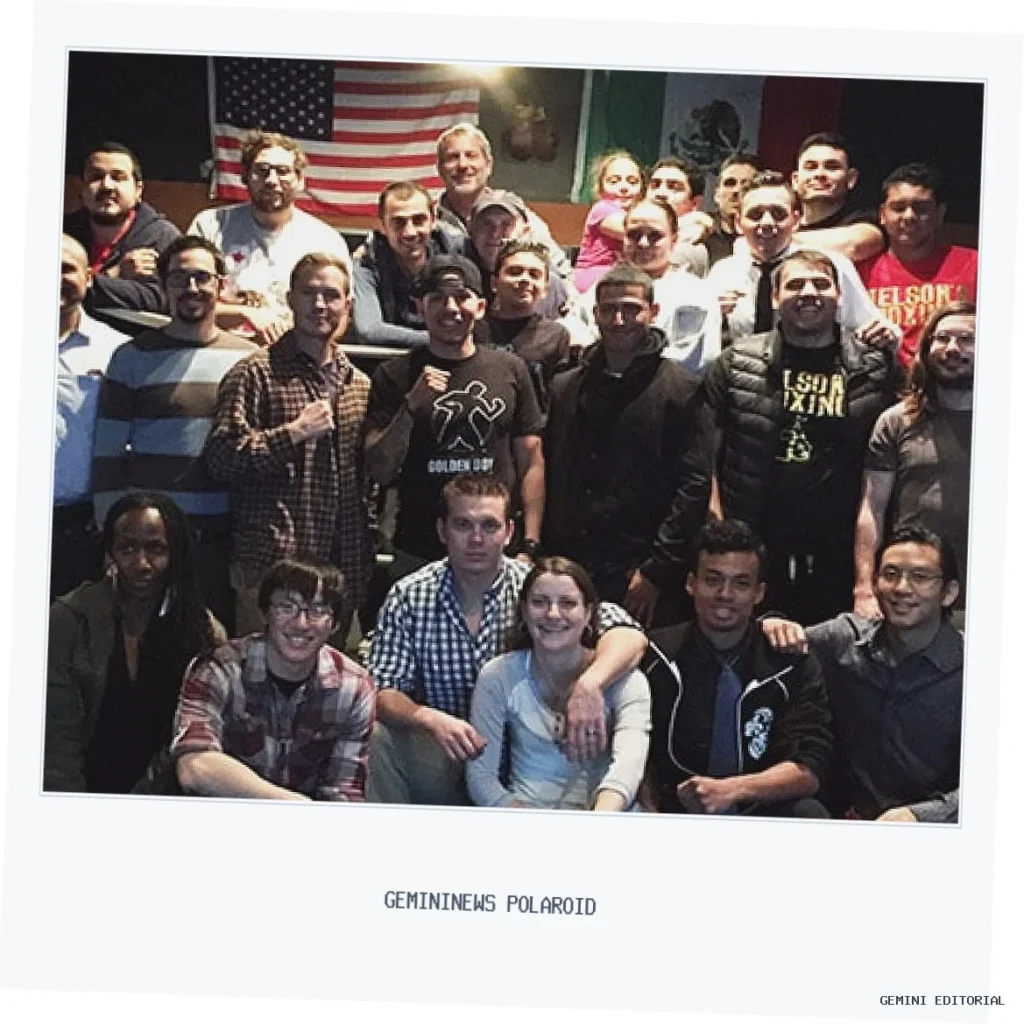
The structural changes in his daily life have been profound. In stark contrast to the massive, bustling team environment that characterized City Kickboxing—where dozens of elite fighters, aspiring amateurs, and media members constantly filled the mats—Adesanya now operates within a much smaller, tightly controlled inner circle. This pivot toward exclusivity and personalized attention has completely transformed his relationship with the daily grind of a fight camp.
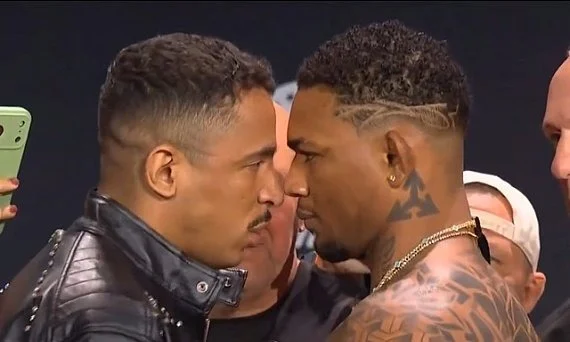
As he looks ahead to his upcoming test against Shara Bullet at UFC Saudi Arabia, the 37-year-old veteran is not just expecting the tangible results to manifest inside the Octagon on fight night; he can already feel a radical shift in his overall demeanor, mindset, and physical preparation throughout the current training camp. The dread that sometimes creeps into the later stages of a long career has been replaced by a renewed sense of joy and ownership over his craft.
When asked directly what he loves most about his new training camp environment compared to the old regimen, Adesanya’s response was comprehensive and immediate, highlighting the simple elements of peace, space, and happiness that he had seemingly been missing for years.
"Everything," Adesanya answered when asked what he loves about his new training camp. "I enjoy being there. I enjoy being on the mats. I enjoy the space. I have enjoy having space to work. I enjoy the camaraderie and the intimate group we have. I enjoy the whole process. Just having fun getting it done."