

The sport of boxing has long captivated audiences with its raw displays of athleticism, strategic brilliance, and sheer grit. Yet, for all its global appeal and historical stature, it remains uniquely plagued by a persistent source of fan debate and intense controversy: the scoring system. Every so often, a major bout ends with a verdict that leaves analysts, fighters, and spectators alike questioning the integrity of the judges. Given the sometimes baffling decisions handed down to particular competitors, it is easy for boxing enthusiasts to feel a sense of exasperation.

Fortunately, these glaring oddities tend to be relatively rare when weighed against the countless professional bouts that proceed smoothly and without controversy across the globe every single week. Still, for the average observer or casual fan tuning in on a weekend, the mechanics of how a winner is determined can often feel remarkably confusing.

To understand how a boxing match is actually evaluated, one must look at the foundational framework of the sport: the 10-Point Must System. Adopted widely across professional boxing jurisdictions, this system is anchored on the fundamental premise that the fighter who wins a specific round is automatically awarded 10 points. By design, the vast majority of completed rounds conclude with a 10-9 score, meaning the losing fighter of that round receives 9 points. This numerical baseline remains consistent unless specific infractions or regulatory obligations require a judge to deduct points. On even rarer occasions, a round might be scored even at 10-10, though this outcome is seldom witnessed in modern professional bouts.

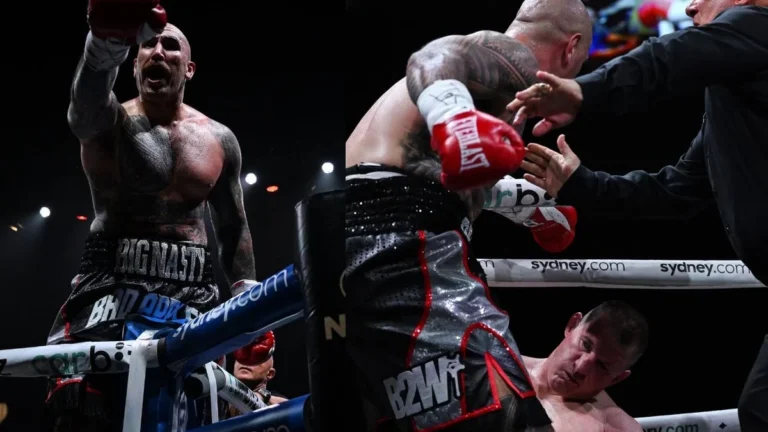
When point deductions come into play, they introduce a layer of direct consequence that can dramatically shift the outcome of a fight. For instance, a knockdown—where a fighter is forced to touch the canvas from a legal blow—results in an automatic one-point deduction for the fighter who has been dropped. Furthermore, if a fighter suffers multiple knockdowns within the same round, an additional point is deducted for every subsequent fall. However, if both fighters experience a knockdown in the same round, the point deductions effectively cancel each other out, restoring the round’s dynamic to a more standard scoring margin unless further penalties are warranted.

While the mathematics of the 10-Point Must System are not overly complicated on paper, human interpretation often introduces friction. Judges are tasked with evaluating complex, fast-paced action in real time, and when their perspectives diverge wildly from the consensus of the public or ringside analysts, the system itself can come under fire. In simple terms, the core concept works: awarding 10 points to the winner and 9 to the loser of a round is straightforward enough to grasp. The complication arises from how individual judges interpret the nuances of combat within a specific three-minute frame.

Operating outside the direct purview of the judges are the decisions of the referee, who holds the authority to instruct scorekeepers to deduct points for intentional or unintentional foul play. A wide range of infractions can trigger these penalties, from excessive holding and clinching to deliberate low blows or dangerous strikes to the back of the head. Referees often issue warnings to fighters before taking points, but they are not strictly required to issue a warning before penalizing a competitor for rule violations. Despite these potential disruptions, the majority of professional bouts feature clean competition, leaving the ultimate verdict entirely in the hands of the judges.

When judges sit ringside to evaluate a contest, they are guided by a specific set of criteria that heavily influence their scoring. These factors generally tie into a fighter’s overall command and performance throughout the round. First and foremost, judges look for what is known in the sport as ring generalship—the demonstrable ability to control the flow of the match and dictate the pace of proceedings. A fighter who successfully presses forward, taking the initiative and displaying effective aggression, will consistently earn favor with the judges, provided that their offensive output is measurably more impactful than that of their opponent.

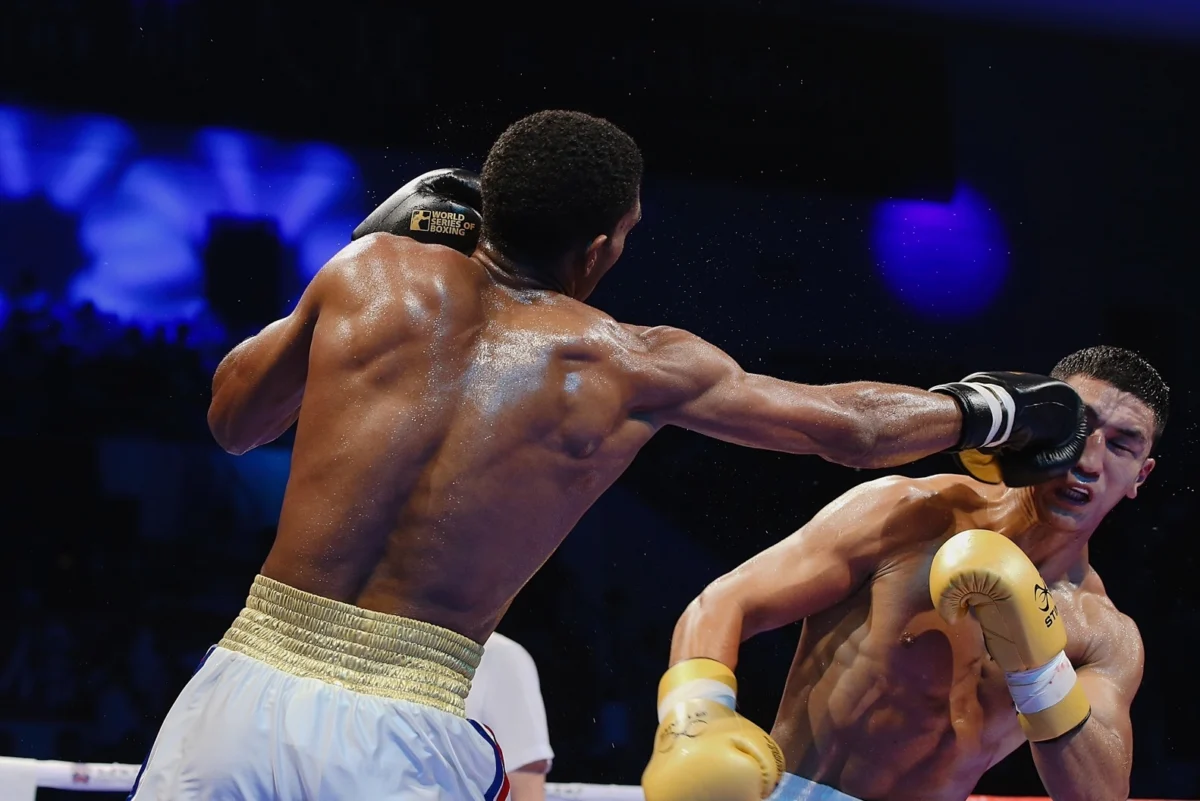
Power and accuracy are also heavily weighed. Judges take note of impactful, clean punches that visibly affect the opponent, as well as the successful execution of high-volume combinations. However, aggressive output is not the only path to winning a round. On the flip side of the tactical spectrum, a defensive masterclass can be equally persuasive. A technician who successfully avoids incoming damage while landing precise, unanswered counters will be heavily rewarded by the judges. Historical greats such as Vasyl Lomachenko and Floyd Mayweather Jr. serve as prime examples of fighters who built legendary careers by mastering this defensive artistry.

For fans who have ever struggled to decipher how particular decisions are reached at the conclusion of a 12-round war, understanding the composition of the judging panel provides logical clarity. Every professional bout assigns three independent judges to score the action from different angles around the ring. This setup relies heavily on the principle of majority rule. If two of the three judges agree on a winner, their combined assessment overrides the dissenting opinion of the third judge, ensuring a definitive outcome even when perspectives differ.

Although fights can ultimately end in only three basic ways—a win, a loss, or a draw—the combination of the three judges’ scorecards creates five distinct official decisions that can be announced on fight night. A unanimous decision occurs when all three judges independently agree that one particular fighter has performed well enough to secure victory. A majority decision is called when two judges score the bout in favor of one fighter, while the third judge views the contest as an even draw.

A split decision represents a sharper divide among the panel, happening when two judges award the victory to one fighter, while the third judge scores the bout for the opponent. In terms of draws, a majority draw is declared when two judges score the fight even, while a single judge gives the nod to either competitor. Finally, a split draw occurs when one judge scores the match as a win for the first fighter, a second judge scores it as a win for the second fighter, and the third judge turns in a scorecard reflecting a dead heat.

For fighters stepping into the ring, securing the favor of the judges requires a deliberate approach to meeting these criteria. Competitors understand that they must project control, land clean and damaging blows, and demonstrate ring generalship while avoiding the damaging consequences of referee penalties. While scoring judgments can occasionally feel subjective or flawed, the system remains the most trusted and enduring method for evaluating a combat sport where determining a definitive winner and loser is paramount. As the sweet science continues to evolve, this structured approach remains the standard for separating victors from the vanquished in the prizefighting landscape.