


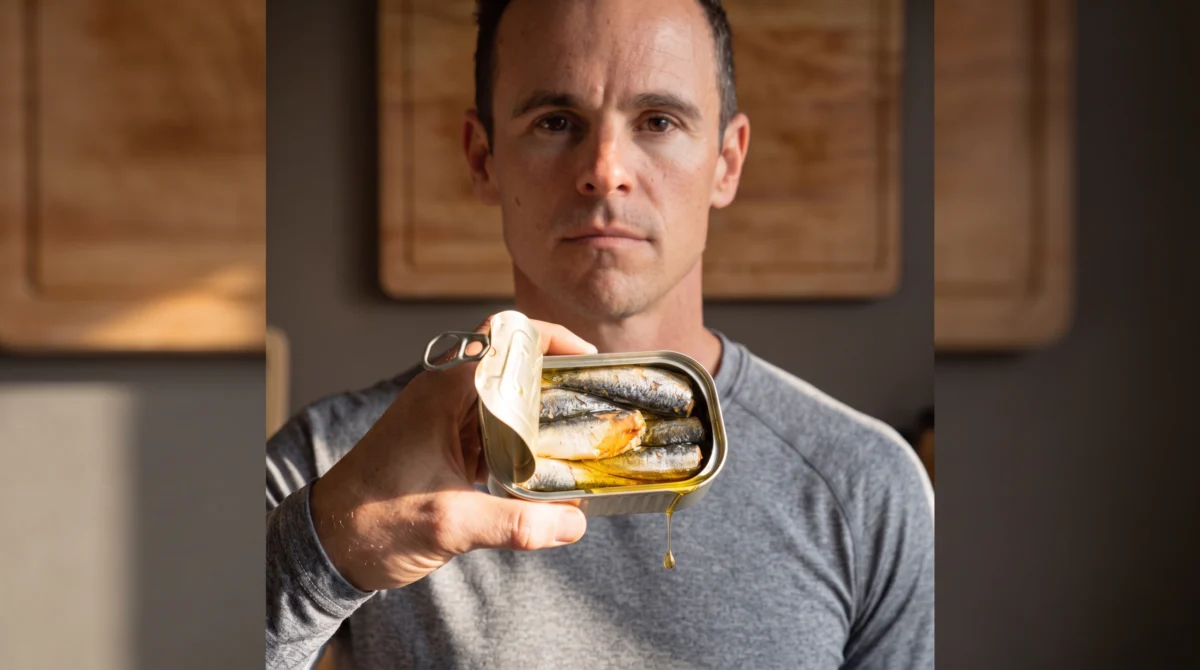
Sardines are having a major cultural moment, moving from pantry obscurity to the center of a viral health trend known as "sardinemaxxing." Across social media platforms, wellness enthusiasts are cracking open tins of small, oily fish in pursuit of enhanced vitality, longevity, and metabolic health. While internet trends often fade as quickly as they emerge, this particular phenomenon has caught the attention of the medical community, with recent clinical trials and nutritional research suggesting that the humble sardine may deliver remarkable health benefits that far surpass popular dietary supplements.
Behind the viral memes and TikTok videos lies serious scientific inquiry. Recent clinical studies indicate that regular consumption of sardines can dramatically reduce the risk factors associated with metabolic conditions like type 2 diabetes. This growing body of research has prompted both researchers and everyday consumers to reevaluate the tiny fish, asking whether a simple, traditional food can genuinely outperform refined supplements like fish oil capsules. While the results are exceptionally promising, health experts emphasize that the full picture involves important nuances regarding study design and nutritional science.
Why Researchers Are Eyeing a Tiny Fish
Sardines, belonging to the biological family Clupeidae, are small, oily fish native to cold waters. For centuries, they have served as an affordable culinary staple in Mediterranean and coastal kitchens, valued for their rich flavor and accessibility. However, modern scientific curiosity surrounding these small fish intensified following a series of large-scale clinical trials investigating concentrated fish oil supplements. Major cardiovascular studies, including the ASCEND, VITAL, and STRENGTH trials, ultimately delivered mixed results regarding the heart-healthy benefits of isolated omega-3 fatty acids taken in pill form.
These mixed findings led researchers to ask a more fundamental question about human nutrition: do essential fatty acids and other vital nutrients work more effectively when consumed within a whole-food matrix rather than isolated in a laboratory capsule? This inquiry gave rise to the concept of the "food matrix effect," a nutritional theory holding that complex foods contain a synergy of nutrients that interact dynamically within the body, producing physiological outcomes that isolated supplements simply cannot replicate.
A comprehensive 2023 review published in Frontiers in Nutrition by researchers Santos, May, and Bueno specifically applied this concept to sardines. The authors concluded that whole sardines may deliver significantly broader cardiovascular and metabolic benefits than fish oil supplements taken on their own, prompting a renewed appreciation for whole-food sources of marine nutrients.
The Prediabetes Trial That Turned Heads
The scientific momentum behind sardines gained significant traction following a landmark 2021 clinical trial led by Dr. Diana Díaz-Rizzolo and her colleagues, published in the journal Clinical Nutrition. The study tracked 152 older adults over the age of 65 who had been diagnosed with prediabetes, following their health markers over a period of one full year to observe the long-term metabolic impacts of dietary changes.
Participants assigned to the intervention group incorporated roughly 200 grams of sardines into their weekly diets, which translates to about two standard 100-gram tins. The control group received standard dietary counseling aimed at improving their metabolic health without the specific inclusion of sardines. The results observed at the conclusion of the year-long trial were striking and immediately drew the attention of endocrinologists and preventative health specialists.
Specifically, the clinical data revealed a dramatic shift in diabetes risk categories among the participants consuming the fish. At the start of the study, a significant portion of the participants fell into a high-risk category for developing type 2 diabetes. By the end of the year, the proportion of participants classified as high-risk dropped sharply, shifting from 37 percent down to just 8 percent in the sardine-consuming group.
This reduction is particularly significant given the broader public health landscape. According to estimates from the Centers for Disease Control and Prevention, approximately 96 million American adults—or roughly one in every three individuals—currently live with prediabetes, and the vast majority of them remain entirely unaware of their condition until it progresses.
Despite these impressive findings, researchers emphasize the importance of examining the fine print. The clinical trial conducted by Díaz-Rizzolo and her team was open-label, meaning that the participants were fully aware of whether they were eating sardines or following standard dietary advice. Experts note that open-label designs can sometimes introduce behavioral biases, as participants who know they are receiving a targeted intervention might unconsciously alter other lifestyle habits, potentially affecting the certainty of the outcomes.
Consequently, medical professionals point out that the current evidence is more nuanced than sensationalized viral social media posts might suggest. Larger, blinded, and randomized replication studies will be required before the medical community can definitively categorize sardines as a proven therapeutic tool for diabetes prevention. Furthermore, the review by Santos and colleagues focused primarily on the theoretical framework of nutrient synergy rather than conducting a direct, head-to-head clinical trial comparing sardines directly against omega-3 pills. Therefore, claims that sardines definitively "beat" supplements remain a promising and plausible hypothesis rather than an absolute scientific fact.
What One Tin Actually Delivers
Beyond their potential metabolic benefits, a single tin of sardines provides a dense concentration of essential nutrients. They supply the exact same heart-healthy EPA and DHA omega-3 fatty acids found in high-end fish oil supplements, but they package these compounds alongside an array of complementary micronutrients that capsules simply cannot offer.
Sardines are an exceptional source of high-quality protein, Vitamin D, and Vitamin B12, along with essential minerals such as selenium and calcium. When consumed whole with their soft, edible bones intact, sardines provide a readily absorbable source of calcium and phosphorus, which play a critical role in maintaining skeletal strength as the human body ages.
This unique nutritional profile has also sparked interest in the potential skeletal benefits of regular consumption. Observational research highlighted by health publications points toward a correlation between a regular weekly intake of sardines and a significantly lower risk of hip fractures among older adults, with some observational data suggesting a risk reduction of up to 33 percent.
However, public health experts routinely remind the public that observational studies demonstrate association rather than direct causation. Even so, the specific combination of bone-protective nutrients packed inside each tin makes a plausible case for sardines as a valuable dietary addition for aging populations seeking alternative or supplementary sources of calcium beyond traditional dairy products.
Safe, Affordable, and Planet-Friendly
From an environmental and public health perspective, sardines offer distinct advantages over larger predatory fish species. Because sardines occupy a position very low on the marine food chain, feeding primarily on plankton, they do not accumulate high levels of environmental toxins in their flesh. Large predatory fish, such as tuna, shark, and swordfish, biomagnify heavy metals and industrial pollutants like mercury and polychlorinated biphenyls over their lifespans. Sardines, by contrast, contain remarkably low levels of these contaminants.
Due to this minimal chemical accumulation, the U.S. Food and Drug Administration classifies sardines as a "Best Choice" seafood option. This designation means they are deemed safe for frequent, regular consumption across all demographics, including sensitive populations such as pregnant women, nursing mothers, and older adults. Furthermore, their abundance in the wild and rapid reproductive cycles make sardine fisheries considerably more sustainable and environmentally friendly than those of larger commercial species, aligning nutritional health with ecological responsibility.
How to Start Eating Sardines Without Dread
For consumers who find the traditional, rich flavor and aroma of canned fish intimidating, culinary experts recommend starting with simple preparations rather than diving straight into raw or unadorned tinned fish. Incorporating sardines into familiar dishes can significantly ease the transition for hesitant eaters.
Common culinary entry points include mashing sardines into bright, acidic tomato sauces for pasta, blending them into savory spreads or dips with lemon and herbs, or layering them onto toasted artisan bread with avocado and fresh greens. The robust flavors of garlic, olive oil, lemon juice, and capers naturally complement the rich, savory profile of the fish, transforming a simple pantry staple into a sophisticated and satisfying meal.
Ultimately, nutritionists and medical professionals view sardines as an impressive, nutrient-dense food that offers exceptional value for money, backed by increasingly encouraging early clinical findings. Health authorities advise treating sardines as part of a balanced, wholesome dietary pattern rather than viewing them as a standalone miracle cure, and recommend that individuals consult with a qualified healthcare provider before making any significant changes to an existing prediabetes or cardiovascular health management plan.