
Mixed martial arts (MMA) stands firmly as the fastest-growing combat sport on the planet, enjoying unprecedented global success and cultural mainstreaming over the past decade. Driven by high-profile personalities such as Conor McGregor, Ronda Rousey, Jon Jones, and Brock Lesnar, who successfully captured the imagination of mainstream sports fans well beyond the traditional pool of diehard martial arts enthusiasts, premier organizations like the Ultimate Fighting Championship (UFC) have transformed into multi-billion-dollar global enterprises. From the pioneering, raw tournament days of early UFC events to the establishment and immense popularity of modern-day major promotions like ONE Championship, Bellator, and Rizin FC, MMA has cemented its place at the forefront of contemporary professional sports and entertainment.
Despite this massive influx of mainstream viewers and the steady stream of casual fans tuning in for high-stakes pay-per-view events, a fundamental knowledge gap frequently persists regarding the intricate individual disciplines and specialized martial arts that go into the literal "mix" of mixed martial arts. While fighters step into the cage displaying a seamless blend of striking and grappling, success at the elite level is built upon mastery of distinct foundational arts. To truly appreciate the complexity, strategy, and sheer athleticism required to compete inside the cage, it is essential to break down the five most prominent and effective martial arts disciplines that form the bedrock of modern MMA.
Wrestling
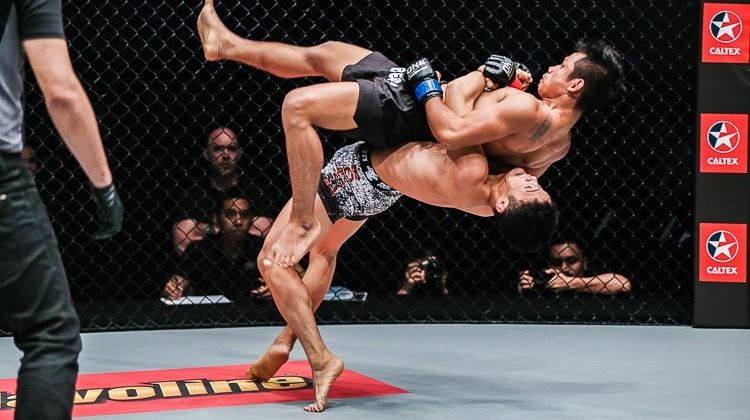
When examining the champions and top contenders who have commanded divisions across major promotions—figures such as Daniel Cormier, Jon Jones, Robert Whittaker, Kamaru Usman, Khabib Nurmagomedov, Henry Cejudo, and Amanda Nunes—a common thread frequently emerges: an exceptionally strong wrestling base. It is widely acknowledged within the combat sports community that wrestling ranks among the most vital disciplines in MMA, a reality underscored by the distinct tactical dominance that elite wrestlers have exercised over the sport for years.

Without a foundation in wrestling, a fighter’s ability to dictate where a bout takes place—specifically the capability to initiate aggressive takedowns or develop impenetrable takedown defense—would be drastically compromised. Consequently, a superior wrestler often serves as a tactical nightmare matchup for any opponent who lacks proficiency in this specific department. A vivid modern illustration of this dynamic played out at UFC 229 in October 2018, when the former two-division UFC champion Conor McGregor faced the overwhelming wrestling and Sambo-based grappling prowess of undefeated specialist Khabib Nurmagomedov, culminating in the most decisive and comprehensive defeat of the Irish star’s illustrious career.

Regional athletic backgrounds often dictate a fighter’s primary skillset. Because robust scholastic and collegiate wrestling programs are deeply embedded culturally in the United States but largely absent in countries like Ireland, the United Kingdom, Thailand, and various other parts of Europe and Asia, athletes originating from these international regions tend to initially excel in stand-up striking disciplines. For fighters seeking a structural equivalent to wrestling’s controlling nature while remaining on their feet, very few striking arts come close to the sheer effectiveness and tactical dominance of Muay Thai.

Muay Thai

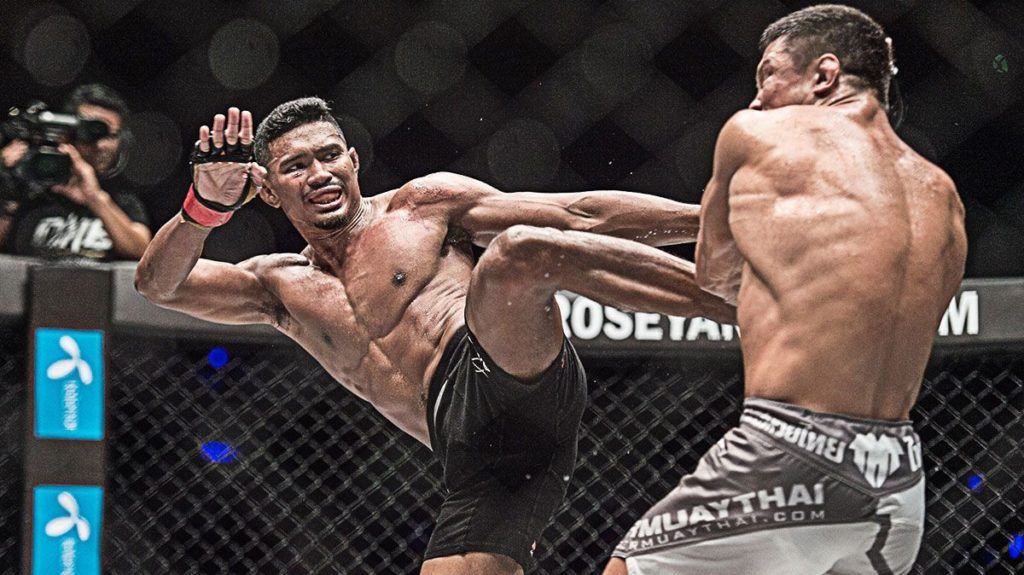
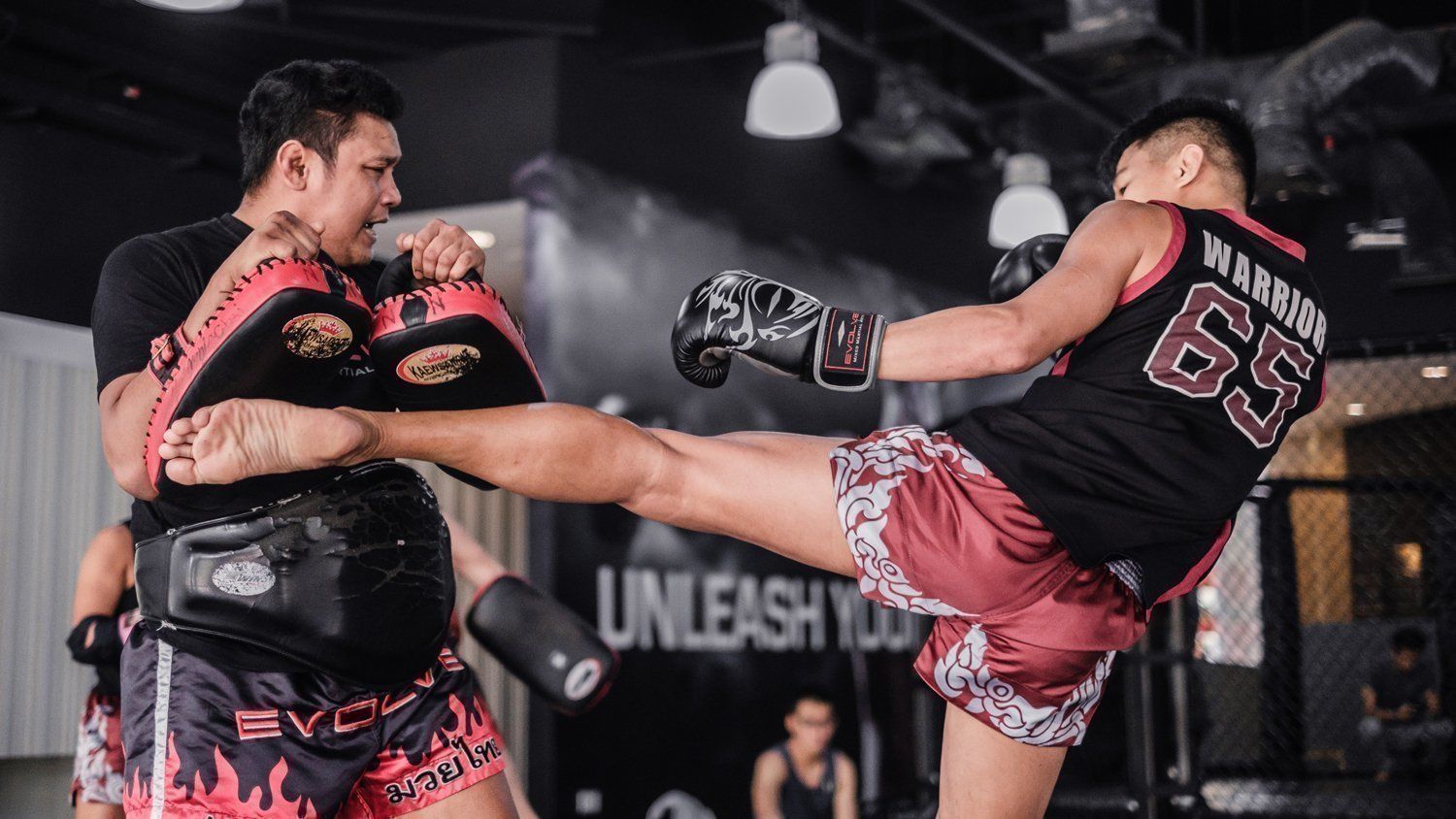
When competing in mixed martial arts, Muay Thai—universally recognized as the "Art of the Eight Limbs"—stands as the most cultured, versatile, and devastatingly effective of all striking disciplines. By integrating the strategic utilization of fists, elbows, knees, and shins, Muay Thai provides mixed martial artists with an expansive arsenal of offensive and defensive weapons designed to systematically dismantle and overcome any adversary.

Over the years, the sport has witnessed a long lineage of elite practitioners successfully transition their craft into the cage to demonstrate the devastating efficacy of Thailand’s national sport. Iconic competitors such as Jose Aldo, Anderson Silva, Joanna Jędrzejczyk, Dejdamrong Sor Amnuaysirichoke, Wanderlei Silva, and Valentina Shevchenko have repeatedly showcased how Muay Thai principles translate under MMA rules. Within modern organizations like ONE Championship, decorated strikers such as Yodsanklai Fairtex and Sam-A Gaiyanghadao continue to exhibit the pristine execution of these techniques. Furthermore, the ubiquitous presence, deep respect, and heavy integration of Muay Thai coaching methodologies across elite MMA gym facilities worldwide serve as a testament to its indispensable value as a premier striking base.

From punishing low leg kicks and sharp linear teeps to suffocating clinches, sweeping takedowns, thunderous roundhouse kicks, and razor-sharp elbows capable of ending a contest instantly, Muay Thai reigns supreme in the stand-up domain of MMA. For an MMA practitioner assembling a comprehensive striking toolkit, no alternative discipline matches its breadth of application.

Brazilian Jiu-Jitsu (BJJ)

The historical roots of the modern MMA landscape are deeply intertwined with Brazilian Jiu-Jitsu (BJJ). The UFC itself was co-founded by Rorion Gracie, the legendary Bjj master and esteemed patriarch of the world-famous Gracie family, who sought to demonstrate to a global audience that Bjj was the most effective martial art in existence. His brother, Royce Gracie, made an extraordinary case for this premise by dominating the early era of the sport, capturing tournament victories in three of the first four Ultimate Fighting Championships and coming within a hair’s breadth of a clean sweep had it not been for sheer physical exhaustion.

While the wider martial arts community initially struggled to comprehend or counter the positional control and submission threats of Bjj during the early and mid-1990s, training extensively in the discipline has since evolved into a mandatory requirement for any professional fighter with aspirations of reaching the upper echelons of the sport. The historical roster of legendary champions who established their dominance through advanced submissions, transitional control, and intricate ground techniques derived from Bjj is extensive. From fundamental and widely utilized submissions like the rear-naked choke and the armbar to specialized techniques such as the Von Flue choke and the gogoplata, Bjj remains as critical to mixed martial arts as mechanical engineering is to an automobile.

Boxing

Widely recognized as the world’s most popular standalone martial art, boxing naturally serves as one of the most critical foundational disciplines to integrate into the cage. Regardless of whether an athlete’s primary background lies in Muay Thai, kickboxing, taekwondo, karate, or kempo, possessing the ability to throw crisp fundamentals—including a sharp jab, a powerful cross, a disruptive hook, and a devastating uppercut—is an absolute baseline expectation for any world-class competitor.

By its very nature, boxing is a specialized sport that places an immense emphasis on footwork, head movement, the ability to cut angles efficiently, and discovering innovative openings to land clean strikes on an opponent. While traditional boxing features strict limitations that prohibit strikes or physical contact below the waist—thereby making it an incomplete standalone base upon which to build a comprehensive, multi-dimensional MMA striking strategy—the tactical advantages gifted to a savvy, defensively responsible boxer inside the cage are manifold. Throughout the history of modern MMA, elite competitors such as Max Holloway, Jorge Masvidal, Conor McGregor, Nick and Nate Diaz, and Georges St-Pierre have continually placed a heavy strategic emphasis on refining and relying upon their advanced boxing acumen.

Kickboxing

Although Muay Thai is widely regarded as a deeply cerebral and tactically comprehensive discipline, a significant number of elite competitors have successfully navigated the professional ranks as traditional kickboxers before making a seamless and devastating transition into mixed martial arts. High-profile athletes such as Stephen "Wonderboy" Thompson, Israel Adesanya, Holly Holm, Michael "Venom" Page, Mirko Cro-Cop, and Alistair Overeem have famously leveraged their elite kickboxing backgrounds to flourish inside the cage, scoring memorable victories against top-tier opposition.

While kickboxing represents an exceptional and proven striking base for MMA, purists often note that it can trail slightly behind Muay Thai due to its narrower range of permitted anatomical weapons, lacking the dynamic elbow and knee strikes inherent to the Thai art. Nevertheless, kickboxing remains a vital and highly influential component of the modern mixed martial artist’s repertoire, undeniably worthy of inclusion among the most effective disciplines shaping the sport today. While alternative striking arts such as taekwondo and traditional karate have occasionally produced notable practitioners, athletes heavily reliant on those specific regional disciplines have historically experienced more variable levels of sustained success under the comprehensive ruleset of the modern cage, underscoring the necessity of a well-rounded approach to martial arts mastery.