

Long a point of frustration and derision for seasoned coaches and tactical analysts across the combat sports landscape, mixed martial artists simply do not pay enough attention to bodywork. In an era where the spectacular is endlessly sought after by headhunters and athletes looking for a quick and flashy night at the office—as if instant, cinematic finishes are a form of common currency—diligent work to the midsection tends to be dismissed as unfashionable.

This oversight is not merely a shame; it is at times entirely baffling. The majority of favorable tactical opportunities that can arise from even a modest amount of bodywork would genuinely surprise many fighters who spend their training hours visualizing Hollywood-style one-punch stoppages and spectacular head-kick knockouts. While highlight-reel finishes capture the imagination of fans and secure post-fight bonuses, the foundation upon which those openings are built frequently begins with systematic degradation of the opponent’s core.

Beyond providing a fighter with the invaluable opportunity to systematically dismantle an opponent’s physical architecture, taking away their mobility, or even stopping them then and there with the correct application of technique, adding body punches, kicks, and knees makes an athlete a significantly harder puzzle to solve inside the cage. The setups that ultimately lead to glamorous finishes are vastly enhanced if the adversary is actively concerned about defending against a stinging teep to the midsection or a punishing hook to the ribcage, rather than simply bracing for the expected superman punch that ultimately switches off their lights.
The Evolution of Striking and the Philosophy of Bodywork
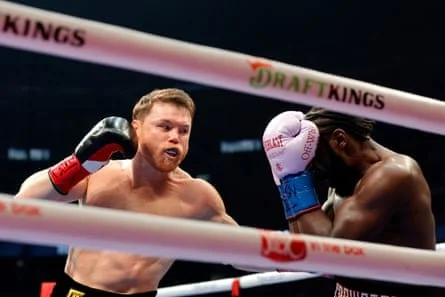
Unlike in traditional boxing, where offensive body strikes are strictly restricted to punches, a mixed martial artist enjoys a diverse and expanding arsenal that includes kicks, knees, and occasionally even elbows delivered to the midriff. When analysts think of the fighters who have most effectively and frequently integrated body strikes into their mixed martial arts games, names like Max Holloway, Nick Diaz, Jon Jones, Eddie Alvarez, and Bas Rutten immediately come to mind. These exceptional athletes all placed a fundamental, unwavering emphasis on targeting the body as a core pillar of their striking strategies.

After all, the classic combat sports philosophy that "if you take the body, the head will follow" has worked wonders for generations of fighters throughout the history of combat sports. In modern mixed martial arts, the ability to leverage multiple striking weapons simultaneously gives practitioners numerous dynamic opportunities to open their opponents up to danger.

The Hook to the Body
Among the most effective hand-based weapons utilized in the cage is the hook to the body. Max Holloway, the former UFC featherweight champion, is a prime purveyor of this tactical approach. Holloway is renowned as a relentless volume puncher equipped with an extraordinary gas tank who habitually throws punches in bunches. His body shots are rarely thrown in isolation; instead, they are masterfully integrated as part of intricate combinations or deployed when his opponent instinctively shells up in a tight defensive posture against the cage wall.

Similarly, Nick Diaz built much of his legendary success on the feet by adhering to a philosophy of "putting money in the bank." Both Holloway and Diaz mastered the art of aiming high to go low, frequently feigning straight punches on the tail end of prolonged combinations in order to suddenly drop their hands, dig underneath the opponent’s guard, and drive heavy hooks into the body precisely when the opponent’s hands were occupied protecting their chin.

The Teep and Distance Control
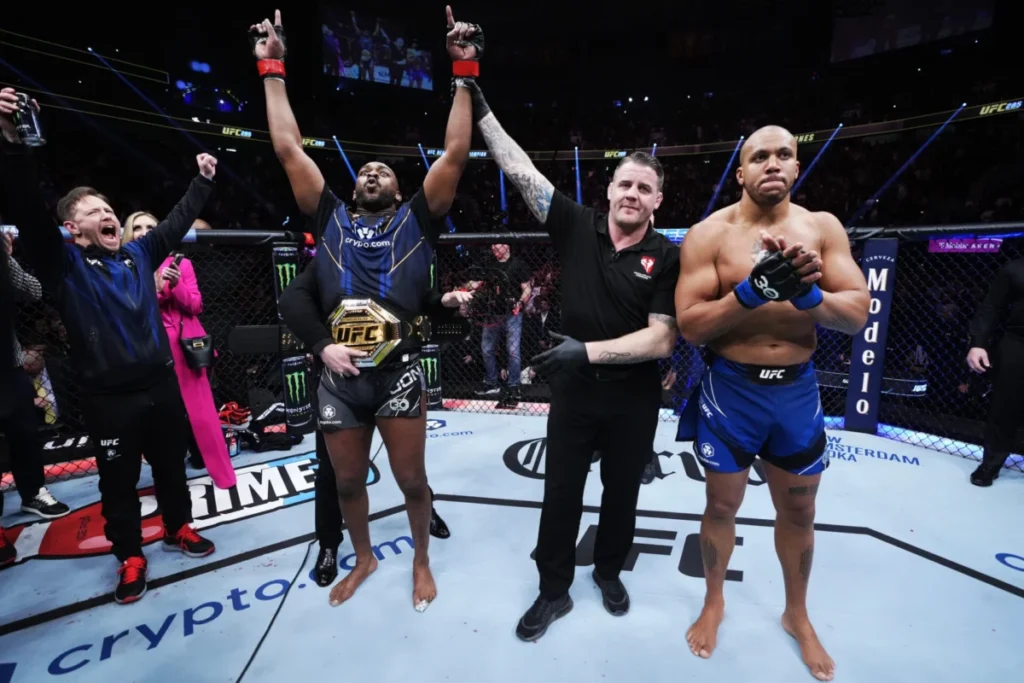
Fighters blessed with exceptional reaches and long limbs consistently demonstrate greater success when executing linear body strikes from a distance. Jon Jones, widely regarded as one of the most naturally talented mixed martial artists in the history of the sport, elevated the aesthetic and practical application of body attacks. Jones frequently utilizes the traditional Muay Thai teep—or push kick—as both a devastating offensive weapon and a reliable defensive tool.

Serving essentially as a spear driven straight into the midriff, the teep acts as an impenetrable barrier that halts an aggressively approaching fighter in their tracks and routinely knocks the wind out of their sails every single time it lands flush. Elite fighters utilize the teep to target an opponent’s midsection not only to inflict cumulative damage, but to force them backward and maintain the precise, optimal distance required prior to launching a follow-up offensive sequence.

The Roundhouse and Clinch Tactics
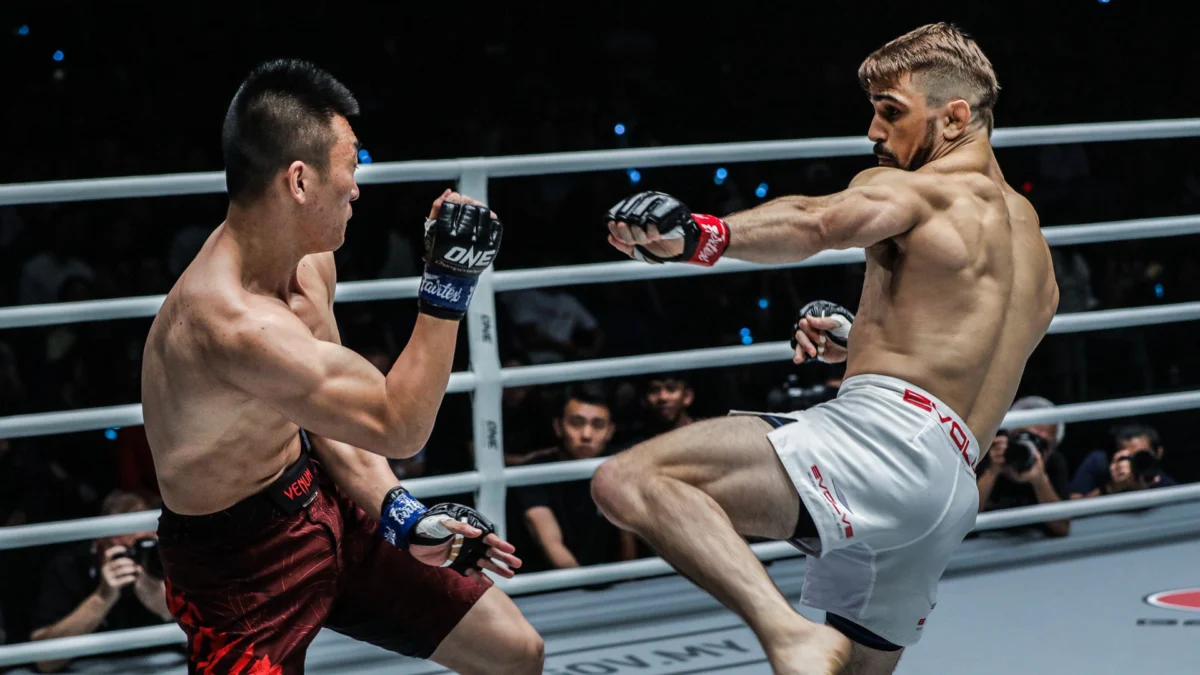
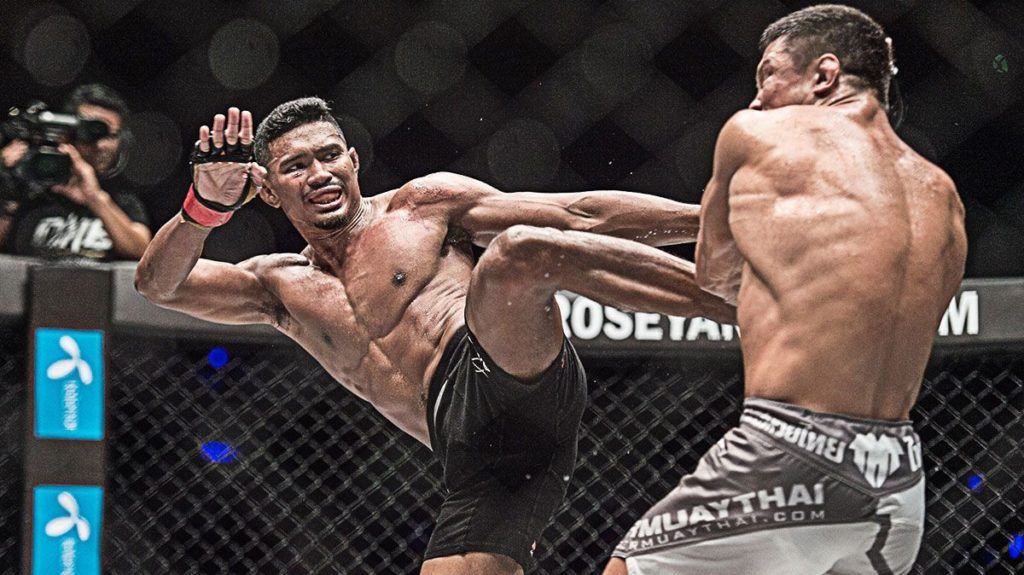
Unless an athlete has personally absorbed a powerful roundhouse kick directly to the ribs, it is difficult to fully comprehend the sheer, debilitating damage it inflicts. In the realm of traditional Muay Thai, legends such as Yodsanklai Fairtex and Saenchai are globally celebrated as masters of this technique, inspiring generations of mixed martial artists to perfect the skill for use inside the cage. In high-level MMA, elite strikers like Anthony Pettis and Anderson Silva have repeatedly utilized the roundhouse kick to the body with devastating precision and aplomb.

Furthermore, few techniques in mixed martial arts can drain the oxygen from a competitor’s lungs and cause them to visibly wince in agony quite like repeated knees to the body delivered from the clinch. To successfully execute this strategy, a fighter must first establish control by locking their adversary into a tight clinch position. Competitors lacking technical proficiency in clinch fighting quickly become vulnerable targets against opponents well-versed in the discipline.

Once securely locked into a dominant clinch, such as a double collar tie, the opponent is entirely at the mercy of the controlling fighter’s strikes. To maximize the structural and physical damage inflicted upon the midsection, knees can be driven upward to cut into the ribs and internal organs. This remains one of the most brutal and effective styles of bodywork available in the sport. Ultimately, targeting the body offers profound strategic advantages for any mixed martial artist seeking to elevate their overall technical skill set and achieve sustained success inside the cage.