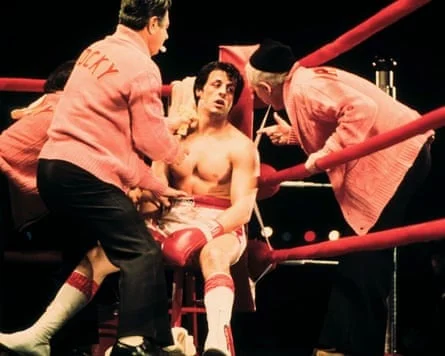



In the high-stakes theater of mixed martial arts (MMA), few moments match the electric anticipation and sudden finality of a knockout. When a fight ends in an instant—leaving a competitor unconscious or completely incapacitated from a single, well-placed strike—it represents the absolute peak of athletic precision, timing, and raw power. Yet, far beyond the visual spectacle that captivates millions of fans around the globe, there exists an intricate, underlying science. A knockout is governed by the principles of biomechanics, neurology, and human anatomy. Examining these scientific realities helps demystify precisely what happens inside the human body when a fighter "goes to sleep" inside the cage.
What is a Knockout?
In the context of modern combat sports, a knockout occurs when a fighter is rendered entirely unable to continue competing due to a forceful blow. This impact either causes an immediate loss of consciousness or severely impairs their neurological capacity to defend themselves, prompting the referee or medical staff to intervene. Generally speaking, combat sports recognize primary classifications of knockouts, distinguishing between those that cause immediate, limp-bodied unconsciousness and those that result in a technical stoppage where a fighter remains upright or conscious but entirely defenseless against oncoming onslaughts.
Comprehending how and why these moments happen requires looking past the surface-level theater of the bout and examining the delicate ecosystem of the brain and the central nervous system. When a professional athlete absorbs a severe blow to the head, the sudden transfer of kinetic energy dramatically interrupts normal neurological processing, triggering the abrupt shutdown of motor control and consciousness that defines the ultimate finish in MMA.
The Role of the Brain in a Knockout
To truly grasp the science behind a knockout, it is crucial to recognize the vulnerability and physiological design of the human brain. The brain is a remarkably soft, gelatinous organ suspended entirely within cerebrospinal fluid and encased inside a rigid skull. While this natural armor provides a baseline level of protection against everyday bumps and bruises, it is fundamentally inadequate for absorbing the high-impact velocity generated by professional combat athletes.
During an intense exchange inside the cage, a powerful strike to the head causes the brain to violently accelerate and "slosh" within the confines of the skull. This abrupt movement creates a shearing force that disrupts the brain’s complex neural pathways and prevents it from functioning properly. This inherent biological vulnerability explains why precise, calculated punches—particularly those targeting high-leverage areas like the jaw, the point of the chin, or the temple—carry such devastating potential. The anatomical connection between these targeted facial structures and the base of the skull forms the foundation of the science behind knockouts in the sport.
Biomechanics of a Knockout Punch
Knockouts are rarely the result of brute, uncoordinated force alone; rather, they require a seamless synthesis of explosive power, pinpoint accuracy, and impeccable timing. The biomechanics of a knockout punch rely entirely on the efficient kinetic chain, which transfers energy seamlessly from the fighter’s base, up through the hips and core, and out through the shoulder and fist into the opponent’s head.
Elite strikers understand that generating this level of kinetic output depends on proper footing, rotational torque, and the precise moment of impact. When a fist connects with the jaw or temple, it acts as a lever, multiplying the rotational force applied to the head. This rotational acceleration is often far more damaging to the brain than a straight, linear impact because it twists the brainstem, which is responsible for maintaining alertness and consciousness. The ability to harness these biomechanical principles is what separates elite, championship-level MMA fighters from their less experienced counterparts, turning striking into an exact science.
The Neurological Response to Knockouts
When the brain experiences the severe mechanical trauma of a high-impact strike, it initiates a cascading series of neurological responses that ultimately result in a knockout. The brain’s billions of neurons are extraordinarily sensitive to sudden acceleration and deceleration forces. Even a micro-disruption in electrical activity can have profound, immediate effects on the body’s autonomic functions.
Upon impact, the reticular activating system—a network of neurons located in the brainstem that regulates wakefulness and sleep-wake transitions—can be abruptly overloaded. This electrical short-circuiting causes the brain to instantly shut down consciousness as a self-preservation mechanism. Furthermore, temporary diffuse axonal injury can occur, where the long, slender nerve fibers that connect brain cells are stretched and damaged. While the human brain possesses a remarkable ability to recover from these acute episodes, cumulative trauma from multiple knockouts and concussions over a career can lead to severe, long-term neurological consequences, including chronic traumatic encephalopathy. Consequently, understanding the neurological science behind knockouts is paramount not only for athletic performance optimization, but equally for safeguarding the long-term health and safety of fighters.
How Fighters Can Avoid Knockouts
Although knockouts remain an inherent, high-stakes risk in the sport of mixed martial arts, modern athletes employ sophisticated defensive strategies to drastically minimize their exposure to clean, devastating blows. Defense is a multifaceted discipline that extends far beyond simply keeping one’s hands up high.
Fighters rely on exceptional spatial awareness, distance management, and head movement to slip, parry, or roll with incoming strikes, thereby diffusing the kinetic energy of a punch before it can fully impact the skull. Additionally, athletes invest heavily in targeted neck and core strengthening exercises. By building robust musculature around the cervical spine, fighters can help stabilize the head, reducing the violent "sloshing" effect of the brain within the skull when an impact does occur. By integrating these advanced defensive techniques and conditioning protocols into their daily training camps, competitors strive to protect themselves from the catastrophic effects of knockouts while preserving their capacity to mount an effective offense.
Conclusion: Understanding the Science of Knockouts
The underlying science of knockouts in mixed martial arts demonstrates that these dramatic moments are much more than mere displays of athletic violence; they are the complex, observable results of physics, biomechanics, and neurology intersecting in real time. From the efficient generation of kinetic power through the human body to the profound vulnerability of the brain when subjected to sharp rotational forces, recognizing the mechanics behind knockouts grants both fighters and fans a far deeper appreciation for the technical mastery required in the sport.
As mixed martial arts continues to mature globally, the athletic community’s emphasis on safety, longevity, and brain health has grown exponentially. Modern fighters are increasingly educated on the physiological risks tied to concussions and knockouts, directly influencing contemporary training methodologies that balance elite offensive output with advanced defensive intelligence. By respecting the immutable science governing head trauma, athletes can pursue decisive victories inside the cage while safeguarding their long-term well-being. Ultimately, comprehending the delicate balance of technique, timing, and biology remains essential for anyone who participates in, analyzes, or follows the sport at the highest professional level.