

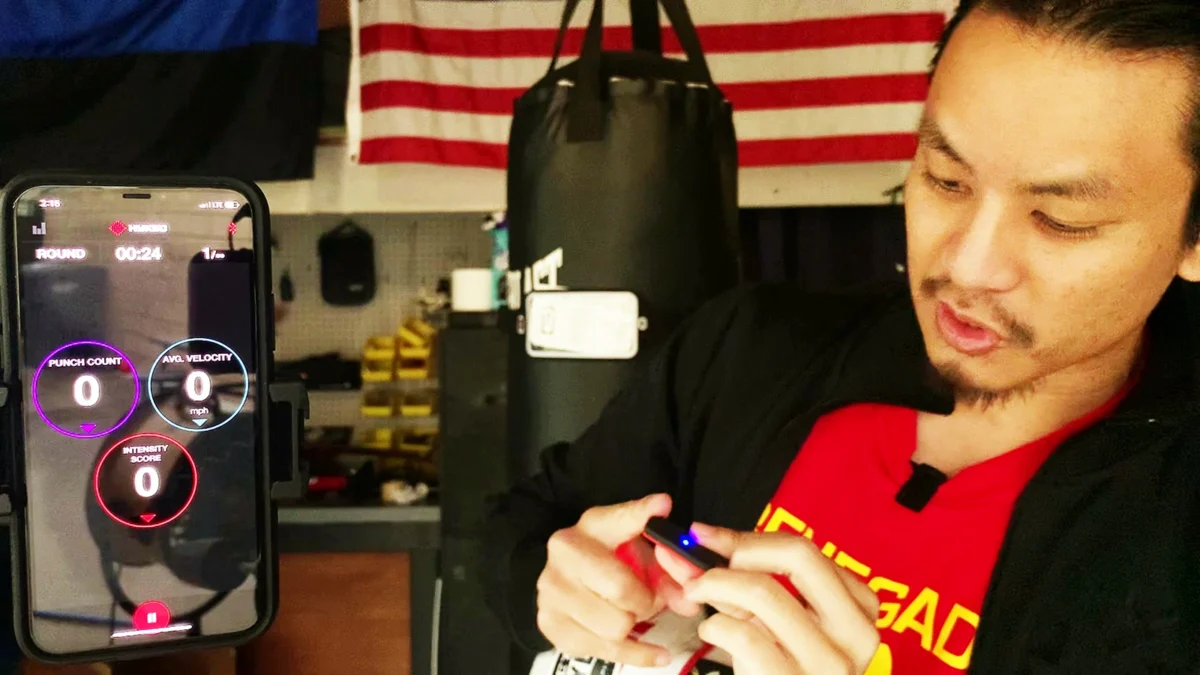
For years, the intersection of technology and combat sports has promised a revolution in how athletes train. Marketed as high-tech tools designed to boost performance, gamify workouts, and provide analytical feedback, boxing punch trackers and sensors have flooded the consumer market. Retailing anywhere from a hundred to several hundred dollars, devices from brands like PunchLab, FightCamp, Hykso, Everlast PIQ, and StrikeTec claim to give fighters a competitive edge. However, after more than two years of hands-on testing, the reality of these fitness gadgets reveals a more complicated picture for serious practitioners.
Understanding Boxing Punch Trackers
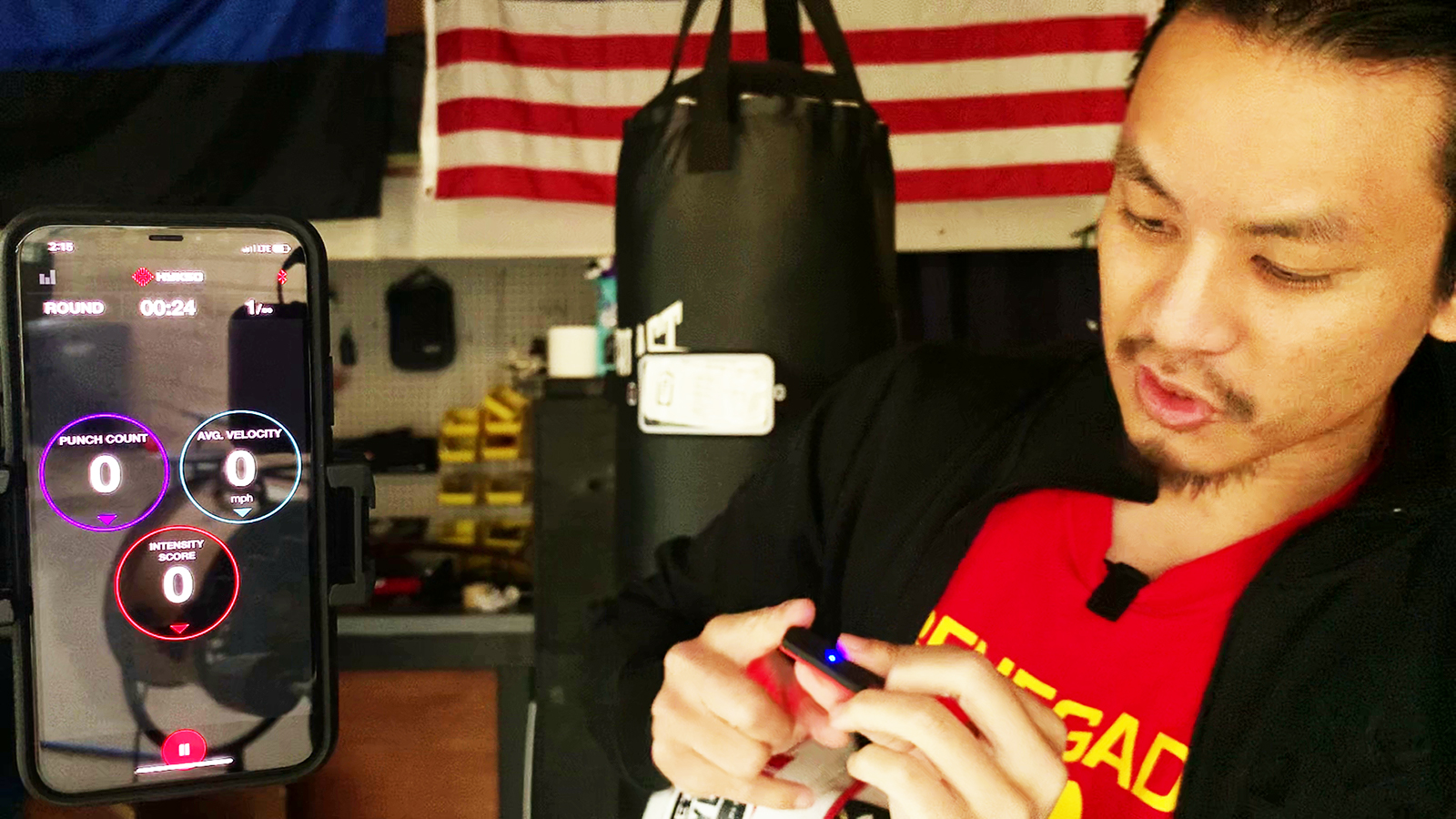
Boxing punch trackers function similarly to everyday fitness wearables like the Fitbit, but with a specific focus on the hands. While a general fitness tracker might monitor steps, sleep cycles, and heart rates, a boxing performance tracker is designed primarily to count the number of punches thrown. Advanced models attempt to differentiate between straight punches and curved strikes like hooks and uppercuts, while others introduce metrics such as G-force or power ratings.
Proponents argue that these devices offer unique benefits depending on the user’s experience level. For professional fighters and diehards willing to explore any potential advantage, punch counts can offer a baseline metric during solo training sessions. For beginners or casual fitness enthusiasts lacking formal coaching, the technology introduces a layer of gamification that transforms routine heavy bag workouts into interactive sessions, keeping users engaged through mobile app connectivity.
The Critical Perspective: Quantity Versus Quality
Despite the marketing appeal, experienced fighters often express skepticism regarding the actual utility of these devices. Critics point out that punch trackers measure quantity rather than quality. Traditional boxing trainers focus heavily on technique, footwork, balance, and defensive posture—nuances that sensors cannot evaluate. A tracker may record a high volume of punches, but it cannot determine whether the fighter pivoted their back foot on a cross or lifted their elbow correctly on a hook.
Furthermore, reliance on these devices can occasionally compromise proper form. When users focus on beating a digital high score or increasing their output metrics, they may sacrifice technical precision for sheer speed. While these trackers serve well for general cardio conditioning where total output matters, they offer limited value for serious competitors trying to refine advanced skills.
Usability and Integration Challenges
Practicality remains another significant hurdle. Most punch trackers are engineered specifically for heavy bag work rather than dynamic environments like sparring or mittwork, where unpredictable angles and reactive movements make automated counting unreliable. Additionally, strapping sensors into handwraps or mounting them securely onto equipment often feels cumbersome compared to the traditional routine of putting on wraps and gloves. Interacting with mobile applications mid-workout with sweaty hands or laced gloves further complicates the user experience, often requiring a training partner to operate the phone.
Evaluating the Market: From PunchLab to StrikeTec
Industry options vary significantly in execution, pricing, and overall user experience. PunchLab offers a distinct approach by eliminating wearable sensors entirely. Instead, the user mounts their smartphone directly to the heavy bag using a specialized belt. This design provides immediate visual feedback and incorporates instruction from real boxing coaches through a companion mobile app. Because the phone screen is mounted directly in front of the user, it delivers a more interactive experience without the hassle of strapping separate hardware to the hands.
FightCamp, formerly known as Hykso, stands as one of the most established names in the performance tracker space. Backed by strong marketing and sleek hardware, the brand pairs physical sensors with a polished subscription-based workout application. While early versions of the hardware faced criticism for offering little more than a Bluetooth-enabled tally counter, the modern FightCamp ecosystem delivers comprehensive video workouts, structured training programs, and leaderboards that appeal to both fitness enthusiasts and dedicated athletes.
Corner approaches the market with a strong emphasis on home fitness classes. While its hand trackers are lightweight and straightforward to use, the accompanying mobile application focuses heavily on general fitness routines and virtual classes rather than granular boxing statistics. This design choice makes it an accessible entry point for casual users, though diehard boxers may find the software lacks a pure combat sports focus.
Everlast PIQ delivers a high level of technical capability, offering a wide array of detailed metrics and sports-game-style statistics. However, the hardware suffers from reported battery life issues and finicky connectivity, while the application lacks a robust library of ongoing training content, which can lead to long-term user disengagement.
Other market entrants, such as StrikeTec, encountered significant developmental hurdles and distribution delays, including a lack of initial iOS application support and operational challenges that left many users unable to reliably test the hardware. Meanwhile, generic low-cost trackers found on online marketplaces generally suffer from poor software integration and unreliable sensor accuracy, leading reviewers to advise caution before purchasing unvetted alternatives.
As technology continues to evolve, the quest for the ideal boxing tracker remains ongoing. While current generations successfully gamify solo workouts and track basic output metrics, bridging the gap between raw data collection and the nuanced art of boxing technique will require significant innovation from developers in the years ahead.