
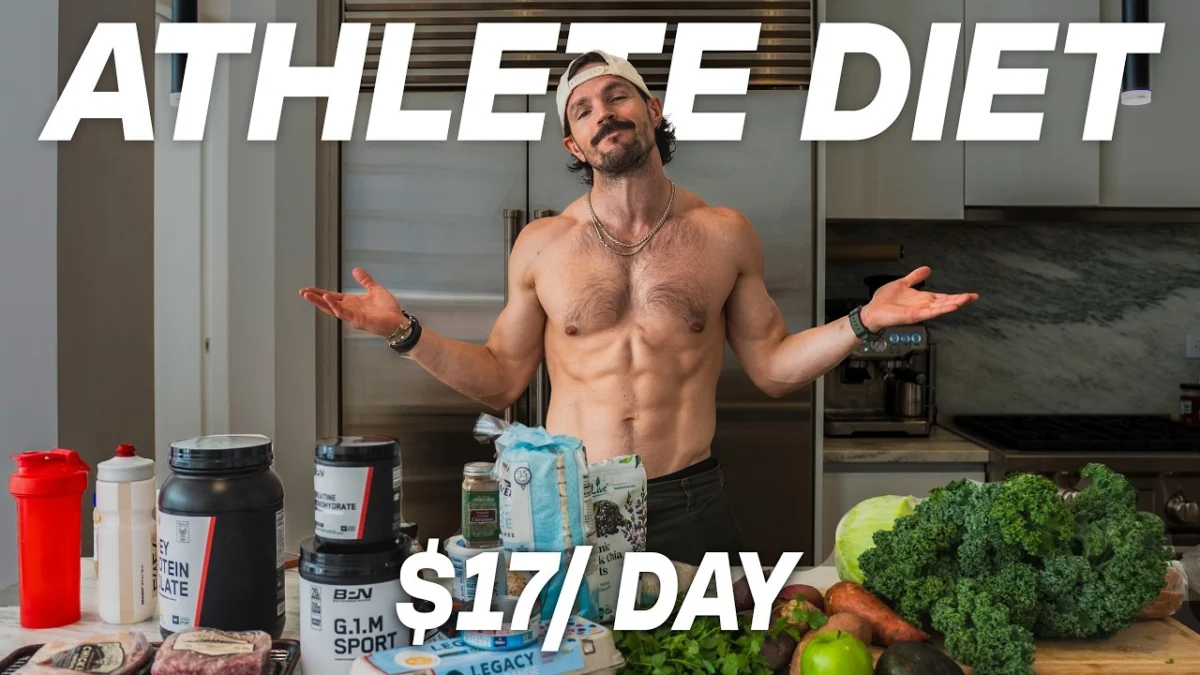
Fueling for high-level athletic performance has long carried a reputation for being financially demanding. From expensive protein powders and specialized supplements to organic specialty ingredients, the cost of eating like an elite competitor can quickly add up. However, a veteran performance chef who has spent a decade working with top-tier athletes recently challenged that assumption by demonstrating how a full day of nutrient-dense, performance-focused eating can be achieved for approximately $20, even in New York City, widely recognized as one of the most expensive grocery markets in the world.
In a recent video feature that has drawn attention from fitness enthusiasts and budget-conscious athletes alike, the chef laid out a comprehensive menu consisting of five distinct meals and snacks tailored around an active training schedule. Rather than relying on expensive shortcuts, processed meal-replacement shakes, or repetitive containers of plain chicken and broccoli, the plan emphasizes fundamental culinary techniques, whole foods, and clever ingredient swaps to maximize both flavor and nutritional value.
The core message of the demonstration is direct: optimal athletic fueling is entirely achievable when smart kitchen technique replaces costly convenience items. As the chef noted, many individuals train with the intensity of professional athletes but fail to fuel their bodies adequately because they mistakenly believe that high-performance nutrition requires an elite budget. By breaking down the costs and macronutrient profiles of each meal, the presentation illustrated how everyday ingredients can be transformed into high-protein, energy-sustaining fuel. When totaled, the menu delivers roughly 200 grams of protein for a cost of around $17, comfortably keeping the daily food expenditure under the $20 threshold. While individual grocery expenses and exact macronutrient breakdowns naturally vary depending on local store pricing, brand choices, and personal portion sizes, the plan serves as a practical template rather than a rigid financial guarantee.
The daily culinary schedule begins in the morning following a rigorous training session, such as an aerobic-focused run through the neighborhoods of New York City. The breakfast option features an apple pie overnight oat jar topped with a unique, high-protein cottage cheese frosting. Designed as a make-ahead meal that can be prepared in batches for effortless grab-and-go mornings, the dish utilizes quick oats and a blended cottage cheese base. According to the chef, cottage cheese has emerged as a versatile staple for high-protein snacking, and its application in the frosting eliminates the need for commercial protein powders while still driving the single-meal protein content up to an impressive 55 grams.
Later in the morning, a lighter second breakfast offers a straightforward, no-cook alternative to heavy traditional morning meals. Consisting of two rice cakes topped with half an avocado, canned sardines or tuna, a drizzle of olive oil, and a dash of salt and pepper, the assembly requires zero cooking time while providing a balanced mix of healthy fats and quality protein. For individuals requiring a higher caloric intake to support heavy workloads, the chef suggests swapping the rice cakes for traditional bread or incorporating leftover grains.
Lunch transitions to a heartier sheet-tray meal centered around chicken thighs, showcasing a meticulous approach to meal preparation and flavor development. Rather than turning immediately to olive oil, the chef utilizes a cold-pan rendering technique. By placing the chicken skin-side down in a cold fry pan before applying heat, the fat slowly renders out as the temperature gradually rises to medium, avoiding the uneven cooking that often occurs when meat is placed into a hot pan prematurely. The resulting rendered chicken fat is then used to roast a selection of nutrient-dense vegetables, including sweet potatoes, which the chef highlights as an essential source of complex carbohydrates and vital micronutrients.
The rationale for choosing chicken thighs over chicken breasts for meal prep comes down to culinary forgiveness and versatility. Breasts are notoriously easy to overcook, whereas thighs maintain their moisture and structural integrity under extended oven times. Furthermore, the chef notes the collagen content found in thighs as a potential bonus for joint, hair, and nail health, though he emphasizes that the primary victories are the enhanced margin for error during cooking and the superior protein quality. For those preferring bone-in cuts, allowing the meat to reach room temperature prior to cooking ensures even heat distribution from the inside out.
As the afternoon progresses, a nostalgic favorite receives a performance-focused upgrade in the form of an elevated peanut butter and jelly snack. Described as one of the most underrated foods for athletes, the classic combination is enhanced through specific ingredient choices, while a homemade fruit jam is prepared simply by simmering fresh fruit and honey in a saucepan until it reaches the desired consistency. The resulting reduction thickens as it cools, providing a clean, nutrient-focused energy boost reminiscent of childhood favorites.
The day concludes with a post-workout Buddha bowl designed to refuel the body after an intense training session with partners. Costing approximately $5.20 per serving, the dinner delivers roughly 55 grams of protein alongside 80 grams of carbohydrates. The base is anchored by ground beef—with the chef noting that nutrient-dense blends incorporating organ meats like heart, kidney, and liver can be used, though standard ground beef works just as effectively. Alongside the protein source, cabbage is cut into thick wedges and simmered in a stock pot, allowing it to cook quickly and absorb rich flavors while complementing the overall nutritional profile of the meal.
Throughout the demonstration, the underlying philosophy remains focused on the integration of smart technique, affordable whole foods, and active performance lifestyles. By proving that high-quality nutrition does not necessitate exorbitant spending, the chef provides a replicable model for athletes and active individuals seeking to optimize their diets without straining their financial resources.