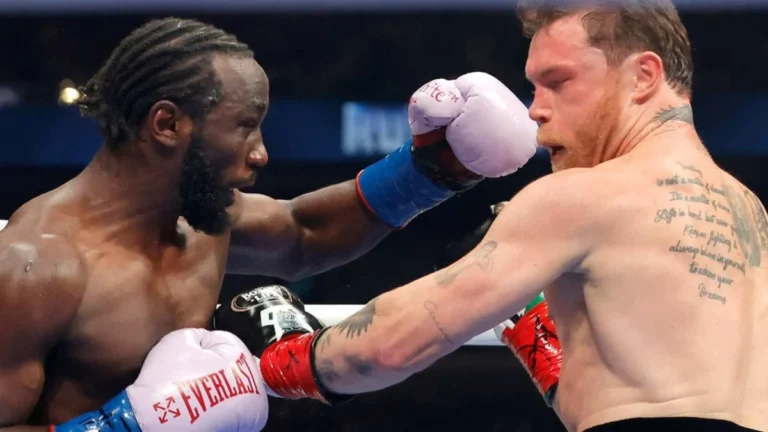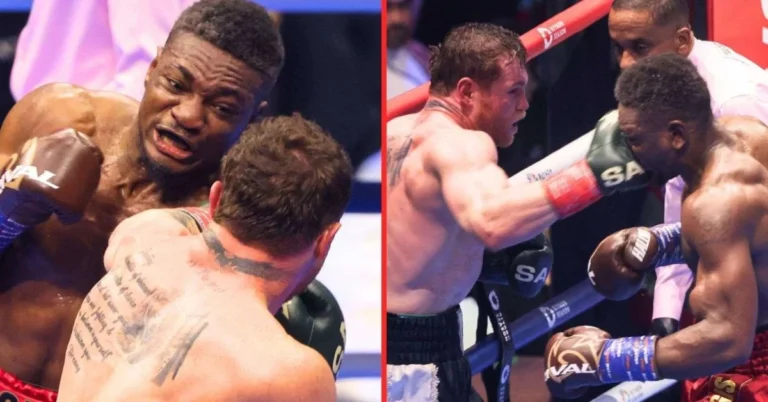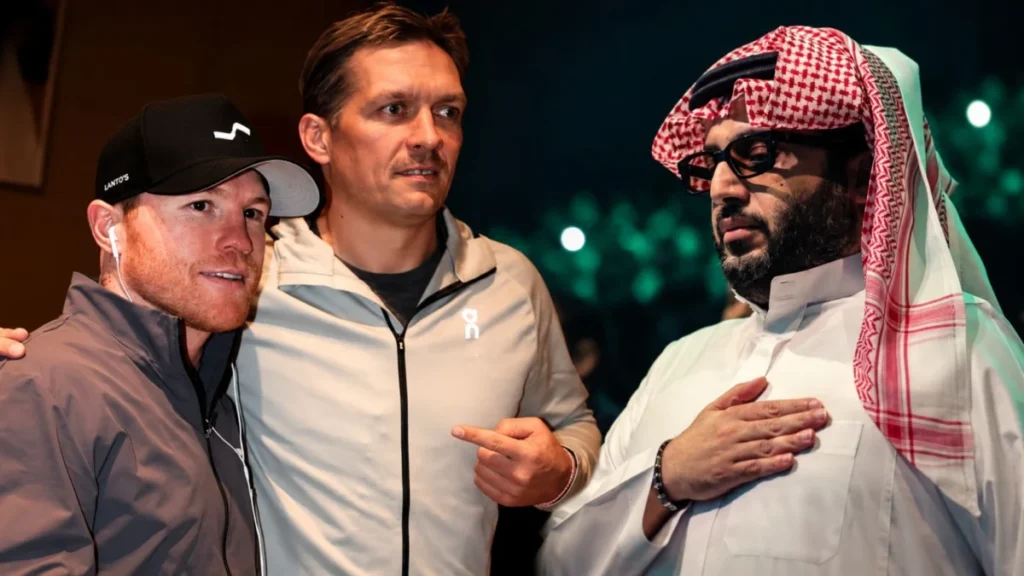
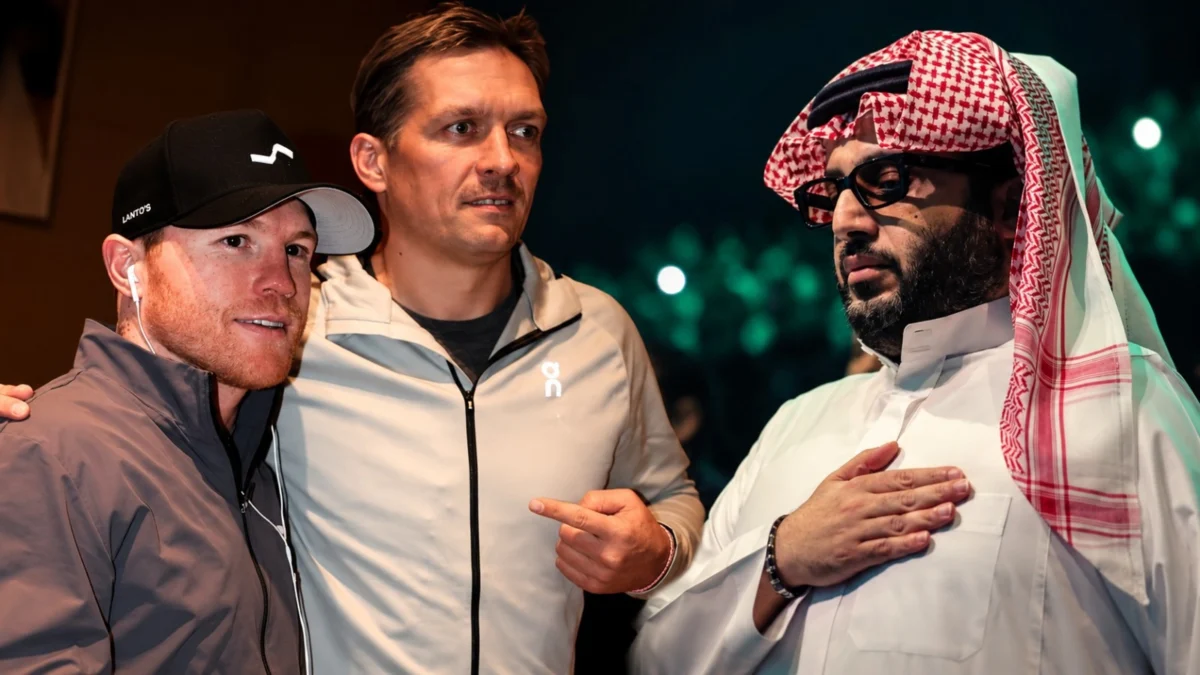
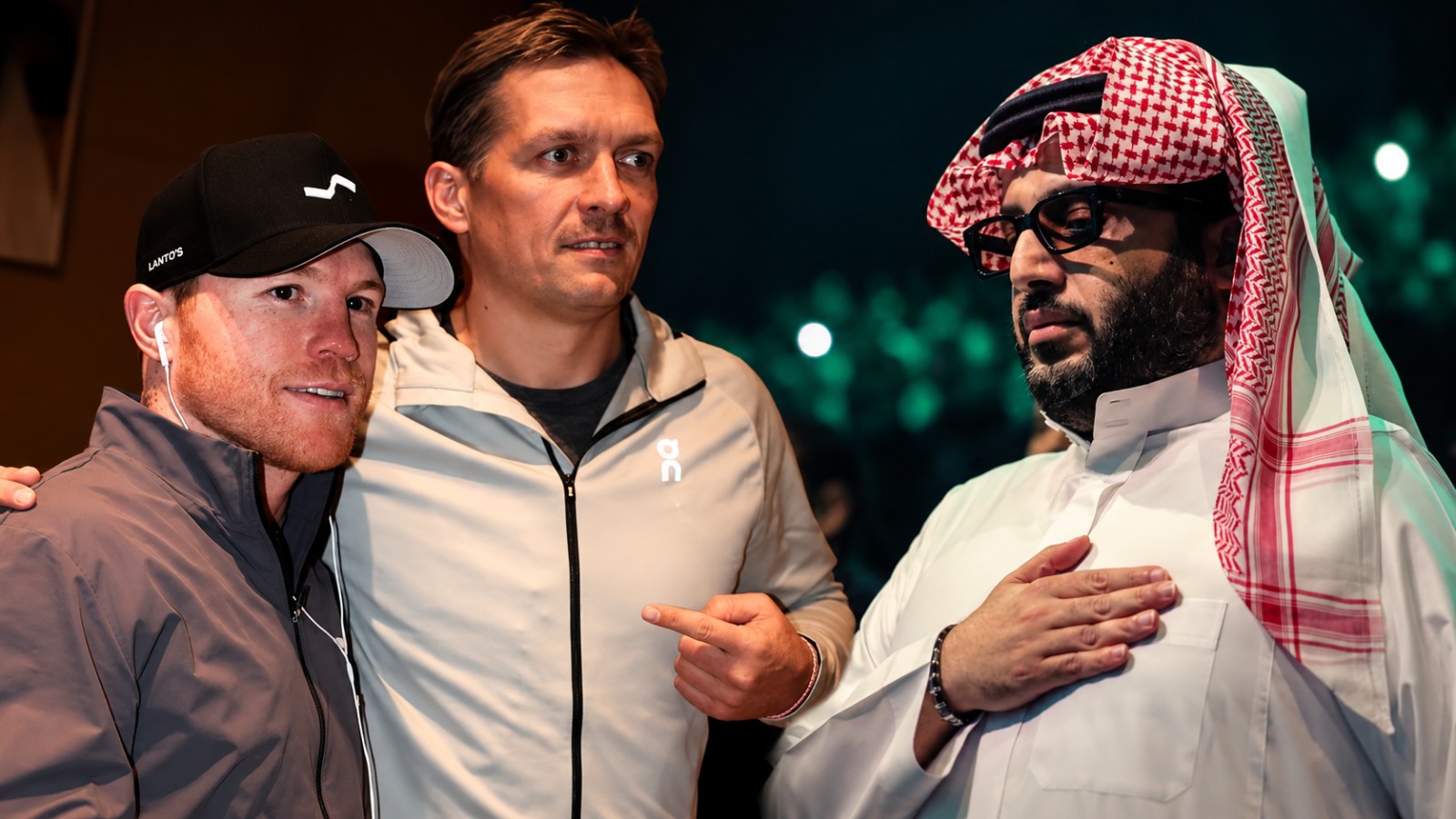
The high-stakes world of international championship boxing has collided with a volatile geopolitical reality in the Middle East. Turki Alalshikh, the prominent architect behind Riyadh Season, has officially welcomed boxing megastars Canelo Alvarez and Oleksandr Usyk to the Saudi capital. However, this high-profile arrival is unfolding against the backdrop of an emergency warning issued by authorities regarding severe security risks and active missile threats in the city.
The juxtaposition has drawn intense scrutiny from the global sports community. Alalshikh took to social media to welcome boxing’s elite while simultaneously sharing an urgent directive from the Saudi Civil Defense. The advisory outlined critical emergency protocols for residents on how to protect themselves during potential attacks. Alongside the safety instructions, Alalshikh shared a public prayer for the city, writing, “May God protect Riyadh and all who are in it.”
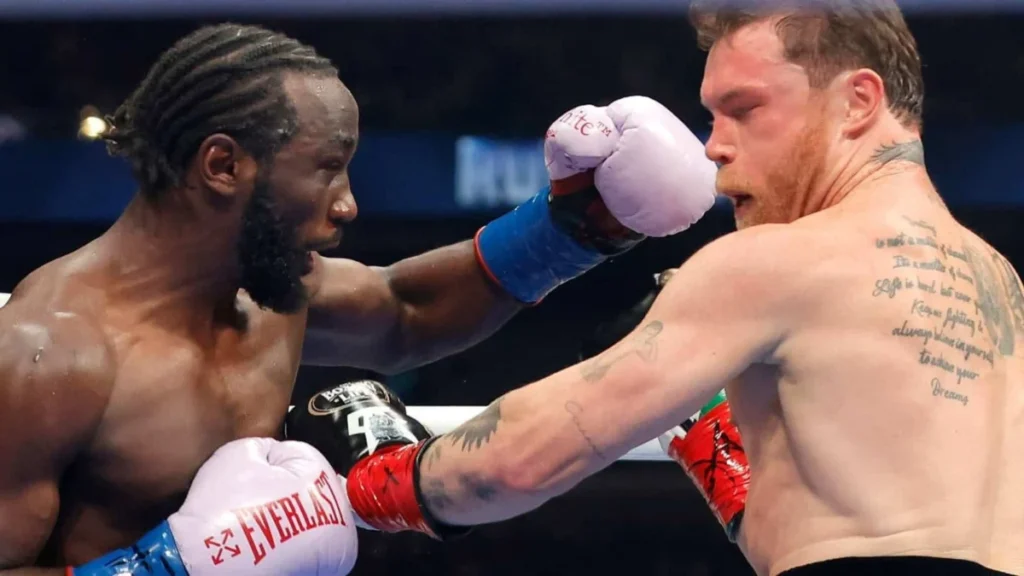
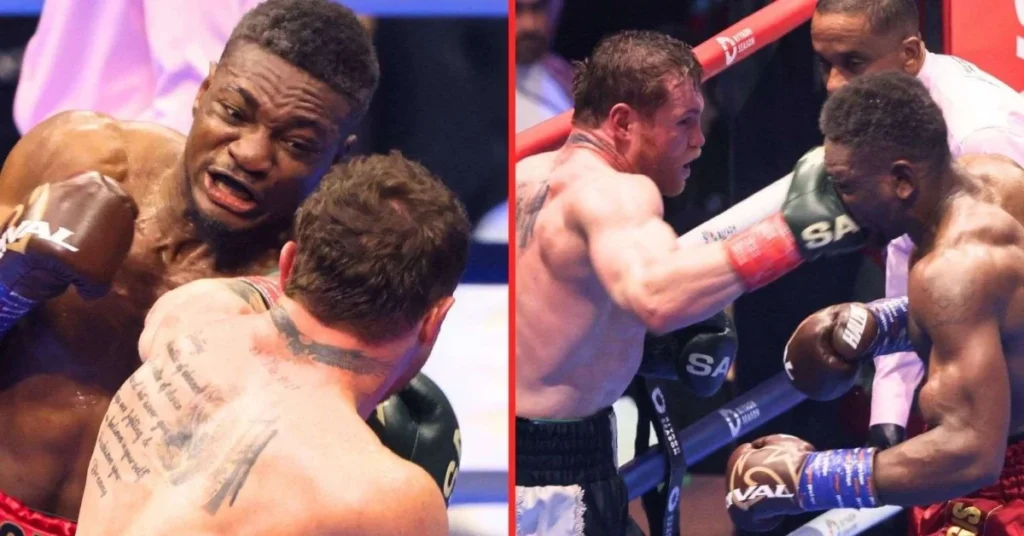
This jarring contrast highlights the growing anxiety surrounding upcoming events in the region. Alalshikh’s safety advisory coincided with the arrival of fighters and their entourages ahead of Canelo Alvarez’s marquee WBC super middleweight title defense against Christian Mbilli, which is scheduled for October 31. While promotional efforts and fight preparations march forward despite mounting tension, the underlying security situation in the Saudi capital has deteriorated, prompting widespread concern from athletes, trainers, and fans alike.
Riyadh Missile Attacks and Escalating Regional Tensions
The security climate in Saudi Arabia has grown increasingly precarious in recent weeks. On October 25, the Saudi Civil Defense issued emergency alerts across Riyadh and other major urban centers, instructing citizens and residents to seek immediate shelter, stay far away from windows, and avoid all exposed outdoor areas. Although an all-clear notice was subsequently issued following the initial scare, the respite was short-lived as regional hostilities persisted.
On October 26, the Saudi-led coalition reported successfully intercepting a ballistic missile targeted directly at Riyadh, while simultaneously neutralizing hostile missile launchers situated across the border in Yemen. Concurrently, Houthi forces claimed responsibility for launching additional strikes aimed at critical infrastructure, including King Khalid International Airport and strategic Saudi oil pumping stations. While Reuters noted that Saudi authorities had not yet officially confirmed those specific claims regarding the infrastructure targets, the cumulative impact on regional stability has been profound.
Air travel has experienced recurring disruptions. King Khalid International Airport was forced to partially reopen on October 25 following an earlier, deadly attack, leaving international flight schedules unstable. Despite these hazardous developments, organizers have pushed ahead with preparations for the high-profile Canelo versus Mbilli showdown, with Alalshikh publicly rolling out the red carpet for both Mexican superstar Canelo Alvarez and heavyweight champion Oleksandr Usyk as they touched down in Riyadh.
Boxing Fans Fear for Safety
The escalating security crisis has triggered immediate and anxious reactions from the global boxing fanbase. Social media channels and sports forums have been flooded with commentary from supporters questioning the wisdom of holding a massive combat sports event in an active conflict zone, with many openly calling for the card to be postponed, relocated, or canceled altogether.
Reflecting the deep anxiety felt by many followers, one concerned supporter posted online, “May Jesus Christ protect Canelo and bring him safely back to his country victorious, along with all his fellow countrymen.” Another follower bluntly criticized the timing and location, declaring, “Riyadh Season is unsafe.” Echoing the sentiment of travelers hesitant to step foot into the region, another fan added, “We ain’t buying no ticket we tryna live to see another day!”
These grassroots concerns mirror a broader institutional retreat from the area. On October 23, the United States Department of State ordered all non-emergency government employees and their family members stationed in Saudi Arabia to depart the country immediately, citing escalating safety risks and regional instability.
The atmosphere of uncertainty has already begun to impact fight cards directly. Professional boxer Lindolfo Delgado officially withdrew from his scheduled bout against Arthur Biyarslanov, explicitly citing mounting safety concerns and a troubling lack of transparency surrounding travel logistics and emergency evacuation procedures. Delgado’s withdrawal follows sharp public criticism from promoter Oscar De La Hoya, who recently took aim at Turki Alalshikh over Canelo Alvarez’s safety, amplifying a chorus of industry voices questioning the viability of proceeding with the event.
Industry observers and independent outlets, including World Boxing News, have consistently maintained that the Canelo vs. Mbilli clash should be relocated away from Riyadh while the security situation remains unstable. While Alalshikh’s public distribution of emergency instructions does not necessarily imply that the boxing venue itself is a deliberate target, it underscores the harsh reality that emergency precautions are now a daily necessity for anyone residing in the city.
When a municipal government explicitly instructs citizens to seek shelter from incoming aerial threats, event promoters and sports authorities staging massive international gatherings shoulder a heavy responsibility. They must provide clear, transparent explanations of how thousands of visiting tourists, international fans, media personnel, and athletes will be comprehensively protected in the event of an emergency.
Offering prayers for the safety of Riyadh’s population is an understandable and humane gesture during a time of crisis. However, rolling out the red carpet for international sports stars and inviting global crowds into a zone facing active emergency alerts raises complex questions that cannot be answered by faith alone. Ultimately, the fundamental safety and well-being of the fighters, the fans, and everyone working behind the scenes must take precedence over any financial or promotional considerations.