
Even the most hardened boxing fans can occasionally be taken aback by the sheer depths of brutality that two men are capable of inflicting upon each other inside the squared circle. This reality is never more pronounced than in the heavyweight division, where single punches carry the kinetic force of a falling safe and every exchange threatens catastrophic physical consequences.
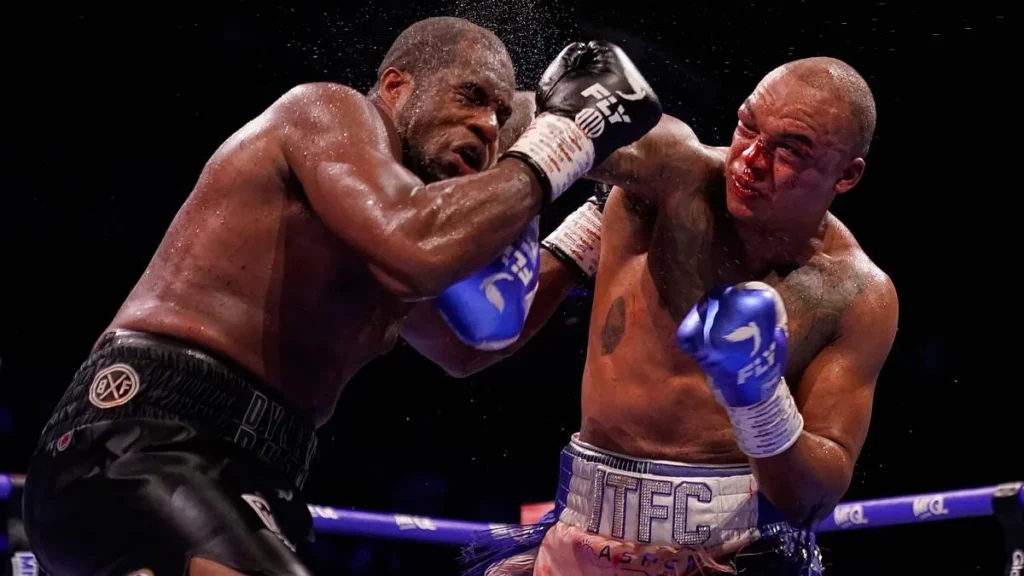
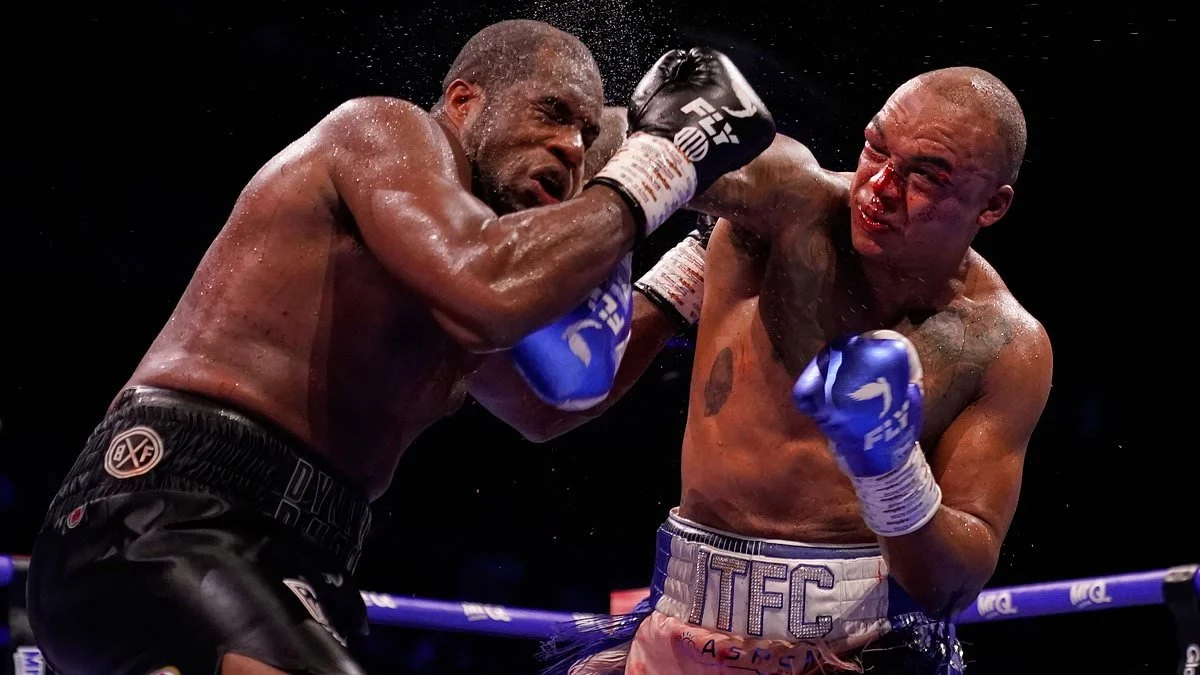
So it was on a dramatic Saturday night this May, when Daniel Dubois and Fabio Wardley battered hell’s bells out of each other in Manchester’s gleaming Co-op Live Arena. In a contest that immediately etched itself into the folklore of modern British boxing, Wardley stunned the crowd by dropping his world title challenger twice in the opening three rounds. Yet, heavyweight fights are tests of attrition, resilience, and survival. As the bout wore on, the momentum shifted decisively. Just 28 seconds into the 11th round, referee intervention was required, and Dubois had to be physically pulled off the champion. Wardley had been reduced to a bleeding, battered, but remarkably still-standing wreck.
For mere mortals watching from ringside or through television screens, the immediate reaction is a mix of awe and disbelief: How on earth do they endure it? How do human beings subject themselves to such immense physical punishment and willingly return for more?
"We’re fighters," offers Dubois simply, reflecting a profound professional respect for his rival. "Honoured to share a ring with him."
Wardley, whose unconventional path to the pinnacle of the sport saw him rise from the ranks of white-collar boxing, echoes that sentiment with a philosophical nod to his own vocation. "Born to do it," he says. "Love being in with such a great fighter."
This mutual admiration raises an uncomfortable question that haunts the sport of professional boxing: What in heaven goes through their minds at the prospect of doing it all over again? As Dubois and Wardley prepare to lock horns once more in a high-stakes rematch at London’s O2 Arena on Saturday night, onlookers are left wondering whether these gladiators fully realize the danger that this sledgehammer head-banging presents to their long-term health and neurological well-being.
Prepare yourselves, dear gentle readers, for an answer from Dubois that is as chilling as it is revealing. When broached on the topic of long-term cognitive decline, the heavyweight contender offers a stark dismissal of caution. "Dementia? If you’re talking about dementia, no point worrying," Dubois says. "We’ve probably got it already."
It is a brutally honest, sobering insight into the psychological makeup of men who fight not only for a living, but driven by an insatiable lust for glory, the raw thrill of battle, the deafening roar of the crowd, the bright glare of the arena lights, and, perhaps most of all, their unyielding manly pride.
On nights like this, pride is compounded by the ultimate prize: a world championship. This Saturday, they contest the very same WBO belt that Dubois ripped from Wardley’s fairy-tale grasp five months ago in Manchester. The stakes could scarcely be higher, yet both men appear remarkably insulated from the debilitating effects of pre-fight anxiety.
When asked about nerves, Dubois smiles at the notion. "I live with the chaos," he says. "Chaos all day every day and specially on the night. I love the fear. It gives me the power. I hold the chaos in until it’s at its peak when the first bell goes. Then it explodes as I let it out. Which brings power and clarity."
Wardley approaches the sport from a fundamentally different background, having transitioned from the corporate world of commerce rather than the traditional amateur boxing circuit. Consequently, he carries a markedly different, cooler mindset into the training camp and the ring.
"No one wants to lose a world title, but if it has to be, then what really matters is how it happens," Wardley reflects. "I feel more relaxed and confident having proved I can engage a top-level fighter in a great fight, which everyone expected me to lose easily. Calm makes me better."
That hard-earned calm is bolstered by the profound lessons Wardley has learned over the five months since suffering the first and only defeat of his professional career. Rather than wallowing in the disappointment of losing his belt, the challenger has immersed himself in rigorous analysis.
"We’ve studied every critical moment of the first fight," Wardley explains. "And I’ve adapted where necessary. I had to because I have more to work on than Daniel with all his experience. But we’ve not only looked at me. We’ve looked at him. He’s not as adaptable as me. He’s not suddenly going to become light-footed and free moving. I’ll give him something different."
To these tactical assertions, Dubois offers a characteristically blunt retort, dripping with the supreme self-assurance of a champion who believes he holds all the tactical and physical advantages.
"I’ll give him another beating. Bash him up. Smash him worse than before. And quicker," Dubois warns. "We didn’t know quite what he might do in the first fight. Now I know what to expect. I also know that he’s not good enough to adapt. I’m his daddy now."
That is clarity, Dubois style. In his assessment of the first encounter, the champion largely discounts the two early knockdowns that sent shockwaves through the Manchester arena. As a fighter who has occasionally been known as a slow starter—though memorably not when he demolished Anthony Joshua from the opening bell—Dubois views those moments as anomalies rather than systemic vulnerabilities.
"Things happen in boxing. You can get caught," Dubois reasons. "लेकिन I also know now that he doesn’t have the power. No real power."
Wardley, for his part, firmly rejects the notion that he was as severely compromised during the bout as the visual evidence suggested. Meanwhile, the fighters’ respective training camps remain divided over the dramatic 11th-hour stoppage. Don Charles, Dubois’ veteran coach, has argued publicly that the referee or Wardley’s corner should have thrown the towel in much earlier to spare the champion unnecessary punishment.
Conversely, Wardley stands by his trainer, Ben Davison, defending the decision to let the fight continue and pushing back against the severity of the narrative surrounding his condition. "The optics looked bad, what with the blood and the bruising and the punches," Wardley acknowledges. "लेकिन I trust my team to take care of me. Trust them with my life. A lot of the punches were glancing, and in the 10th round, I shook him with an uppercut. If the big right that followed had connected cleanly, we might have had a different ending."
The winner of Saturday night’s blockbuster clash at the O2 Arena will not merely retain a prestigious world title; they will position themselves at the very vanguard of the heavyweight division’s lucrative upper echelon. Wardley, the former corporate worker who successfully chased an improbable boxing dream, has his sights set on facing the victor of December’s high-profile matchup between Anthony Joshua and Tyson Fury. Dubois, meanwhile, is enticed by the prospect of those massive paydays, but harbors even grander ambitions of unifying all the other world titles that were recently vacated by Oleksandr Usyk.
Whether the ending on Saturday night will diverge dramatically from the brutal script of their first encounter remains doubtful. "Dynamite Dan" enters the ring having absorbed the most valuable lessons from a grueling 11-round war, backed by a wealth of broader championship experience, and he has arguably never looked this bullish or formidable ahead of a defense.
What boxing purists and casual fans alike know for absolute certain, however, is that when the opening bell sounds at the O2, this pair of relentless heavyweights will deliver yet another unforgettable thriller.