


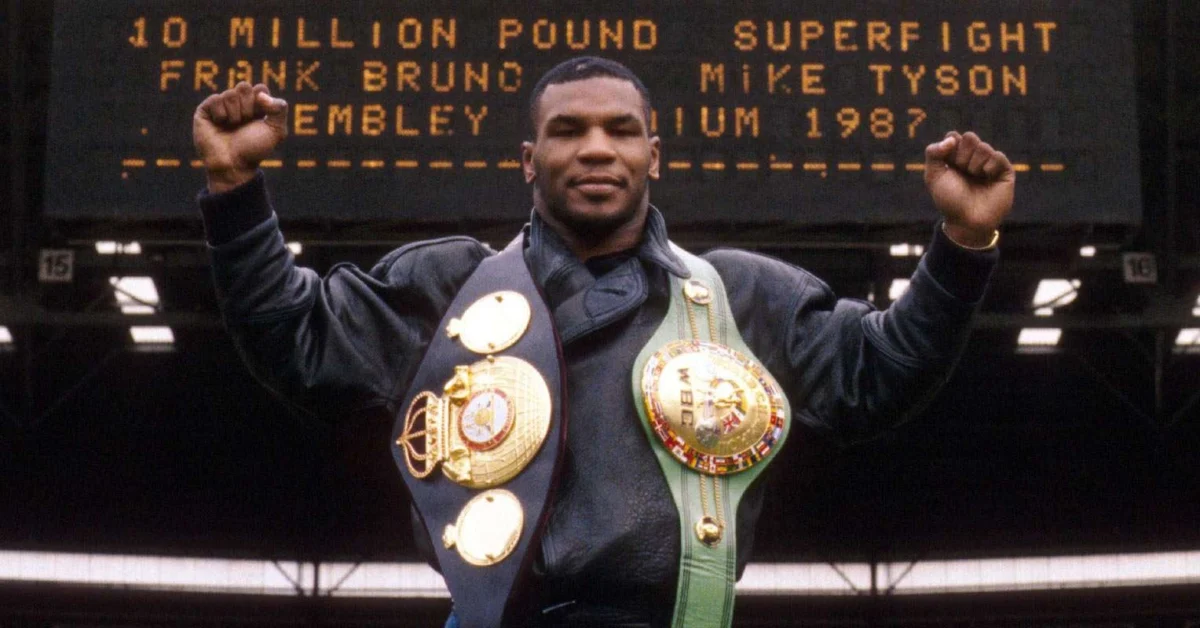
In the storied and often brutal history of the heavyweight division, few figures command as much fear, awe, and historical reverence as "Iron" Mike Tyson during the absolute zenith of his career. At the peak of his devastating powers, Tyson was universally regarded as the most formidable and terrifying fighter on the planet. His explosive, aggressive style inside the squared circle captured the imagination of sports fans worldwide and left a trail of destruction in his wake.
Tyson’s meteoric rise through the professional ranks was characterized by raw power and unmatched velocity. He earned an astonishing 19 consecutive knockout victories in his first 19 professional fights, an intimidating streak that sent shockwaves through the boxing establishment. Even more remarkable was the manner in which he dispatched his early opponents, with 12 of those 19 victories coming inside the very first round. Opponents routinely stepped into the ring only to be overwhelmed by his relentless pressure, devastating body hooks, and lightning-fast combinations.
The crowning achievement of this historic era came in 1986, when a young Tyson challenged Trevor Berbick for the WBC world heavyweight title. In a performance that cemented his status as a generational talent, Tyson blasted Berbick out in the second round of their bout. That decisive victory captured the championship belt and made Tyson the youngest ever heavyweight champion in boxing history—a monumental record that proudly stands to this very day, defying the decades of talent that have followed him.
Momentum carried the fearsome champion forward as he sought to unify the division. Subsequent victories over WBA champion James Smith and IBF champion Tony Tucker solidified Tyson’s status as the undisputed heavyweight champion of the world. He went on to make six successful defenses of his crown, dominating an era and establishing himself as an indomitable force of nature. His reign of dominance finally came to an end in 1990, when he suffered the first defeat of his professional career against James “Buster” Douglas in one of the biggest upsets in sporting history.
Among the formidable names that Tyson defeated during his dominant reign as undisputed champion was legendary titleholder Larry Holmes. Holmes himself had enjoyed a historic and lengthy reign at the pinnacle of the sport, holding the world heavyweight championship between 1978 and 1985 and coming agonizingly close to matching Rocky Marciano’s legendary undefeated retirement record.
Despite his own immense legacy and Hall of Fame career, Holmes later reflected candidly on his fateful decision to step back into the ring with the terrifying young champion. In an interview with The Telegraph, Holmes spoke openly about his regret over going ahead with the bout against "Iron" Mike, while simultaneously maintaining his trademark confidence by claiming he would have defeated the fearsome puncher had they met during their respective prime years.
Reflecting on the bout and the enduring legacy of his opponent, Holmes offered a candid assessment of the matchup that defined a significant chapter of boxing history. "I shouldn’t have come out of retirement against him," Holmes admitted in the interview. "I fought Mike Tyson and I lost. He stopped me. Tyson could punch, you can’t take that away from him."
While acknowledging the undeniable punching power that made Tyson a global phenomenon, Holmes maintained a steadfast belief in his own prime abilities. Analyzing Tyson’s tactical approach in the ring, Holmes noted the specific style that troubled so many of his contemporaries. "He would stand in front of you, try and push you against the ropes, but he wouldn’t have been able to do that to me in my prime. I would have beaten him."
The bout between Holmes and Tyson took place in 1988, at a time when Tyson was operating at the absolute peak of his terrifying capabilities. For Holmes, stepping out of retirement meant confronting a younger, faster, and exceptionally destructive champion who was tearing through the heavyweight division’s elite old guard. The encounter ended decisively, adding another legendary name to Tyson’s growing list of victims and providing a sobering reminder of the changing of the guard in professional boxing.
Following his defeat to "Iron" Mike, Holmes did not let the loss define the twilight of his career. He continued competing for more than a decade after their meeting, showcasing a remarkable dedication to the sport and an enduring love for competition. His active career stretched all the way to 2002, when he finally stepped away from professional boxing for good. In his 75th and final career bout, Holmes secured a victory against Eric "Butterbean" Esch, bringing the curtain down on a magnificent career that spanned decades and cemented his own legacy as one of the finest heavyweights to ever lace up a pair of gloves.


