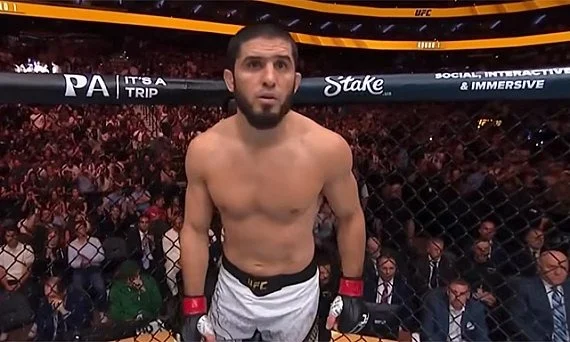



In the intricate and demanding world of professional boxing, no single technique carries as much weight, utility, and tactical importance as the jab. Often referred to by purists as the cornerstone of the sweet science, the jab is arguably the most underused yet essential punch in a fighter’s arsenal. From dictating range and controlling the tempo of a bout to setting up devastating combinations, everything in a successful boxing strategy stems from a well-executed jab.

Beyond its foundational role in offense, a relentless jab serves as the ultimate defensive barrier. It can hurt, distract, and momentarily stun an opponent, but most importantly, keeping an opponent at bay with a continuous stream of jabs remains the most effective method of neutralizing an aggressive challenger. While fighters often focus heavily on powerhouse crosses, hooks, and uppercuts, mastering the nuances of the jab allows competitors to control the pace of the fight, regardless of who they are standing across the ring from.

Perfecting Correct Form
Before a boxer can hope to dominate opponents with volume and range, they must first ensure their jabbing technique is refined to a fine art. Proper form begins with the fundamentals of stance and posture. Fighters must keep their feet roughly shoulder-width apart with a slight, athletic bend in the knees, ensuring a stable base that allows for both explosive forward movement and rapid defensive retreats.
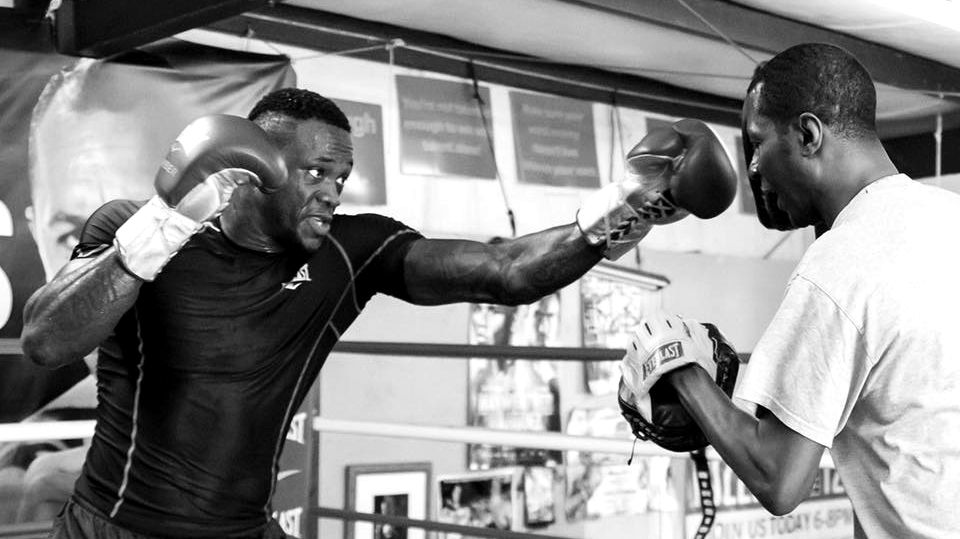
Upper body mechanics are equally critical. A boxer must keep their chin tucked down firmly against the chest and their elbows tucked tightly inward. When launching the punch, the lead hand should snap outward like a whip, while the lead shoulder rises instinctively to shield the chin, protecting the left side of the face from incoming counter-punches. Meanwhile, the rear hand must remain glued to the jaw as an ultimate line of defense, and the lead hand must be snapped back to the face with maximum speed immediately after impact.
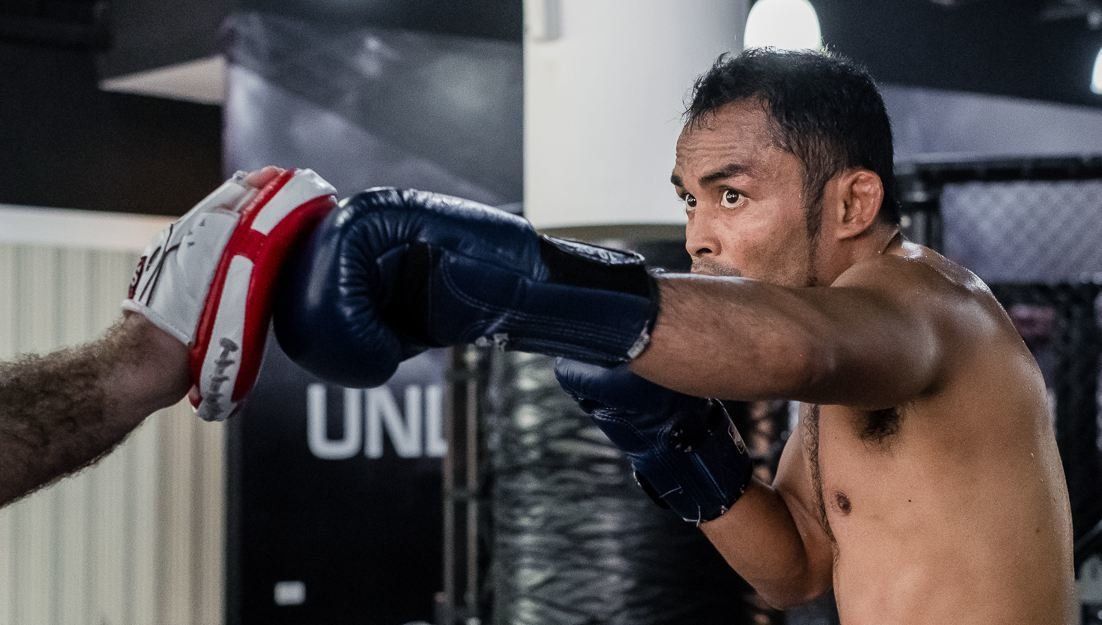
To prevent opponents from easily anticipating the strike, the mechanics of the arm must remain fluid. The elbow should naturally follow the path of the fist to avoid telegraphing the punch. If a fighter flips their wrist too early in the delivery, the elbow tends to flare outward, giving the opponent a clear visual indicator that an attack is incoming—though this specific motion can occasionally be utilized intentionally when throwing feints. Because a sharp, authoritative jab can cause genuine damage, adhering strictly to proper biomechanics is non-negotiable.

Strategic Variation in the Ring
Relying exclusively on a standard, static jab makes a fighter predictable. Against high-level competition, a repetitive rhythm will be quickly analyzed, figured out, and countered. To maximize the effectiveness of the punch, a boxer must understand not only the various ways to throw a jab, but precisely when to deploy each variation to keep the opponent guessing round after round.
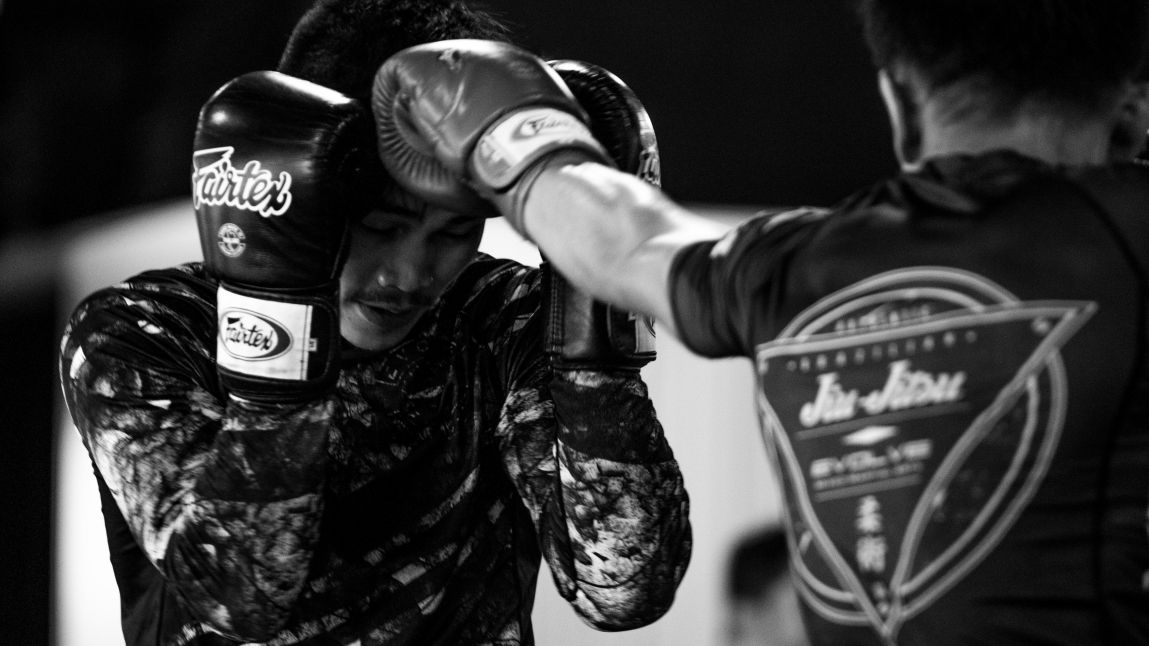
The basic, straight-down-the-pipe jab remains a fighter’s most reliable tool for safely sliding in and out of range. Experienced boxers often incorporate lateral movement while throwing the basic jab, working new angles and forcing the opponent to constantly adjust their positioning. Stepping forward as the punch is thrown adds crucial leverage and power, while stepping backward immediately afterward pulls the fighter safely out of the danger zone. However, fighters must remain mindful that extending too far can widen their stance and compromise their overall balance.

Coaches consistently warn against leaning excessively forward or dropping the rear hand while stepping in to punch. For athletes blessed with exceptional natural reach, utilizing a pawing jab can create an insurmountable spatial barrier. Legendary fighters like Thomas Hearns famously utilized the pawing jab to dictate distance, leaving the lead hand extended momentarily after impact to visually obstruct the opponent’s vision. While highly effective for managing distance, fighters employing the pawing jab must remain vigilant against devastating overhand counters.

Targeting the Body
While most jabs are thrown toward the head, incorporating body jabs introduces a deeply tactical dimension to a fighter’s strategy. Landing a jab to the body requires the boxer to lower their center of gravity significantly. When executed properly, this dip serves a dual purpose: unless the opponent matches the movement with a similar low strike, their own punches will sail harmlessly over the attacker’s head.

The primary target for a body jab is the solar plexus, located at the upper region of the stomach. If timed correctly so that the opponent is stepping forward into the punch as it lands, the impact can instantly drive the wind out of them, altering the momentum of an entire round. Starting a bout with aggressive body work forces an opponent to second-guess their entries and instills a lingering hesitation out of fear of the incoming blow.

While a body jab rarely results in a sudden, dramatic knockout, its cumulative effect wears down and demoralizes opponents over the course of a long fight. Boxers who rely heavily on a high defensive guard are particularly vulnerable to this approach. By stepping in with the lead foot as the punch lands and immediately retracting with the rear foot, a fighter can deliver the blow while maintaining structural integrity and keeping the rear hand locked in position to block potential counter-attacks.
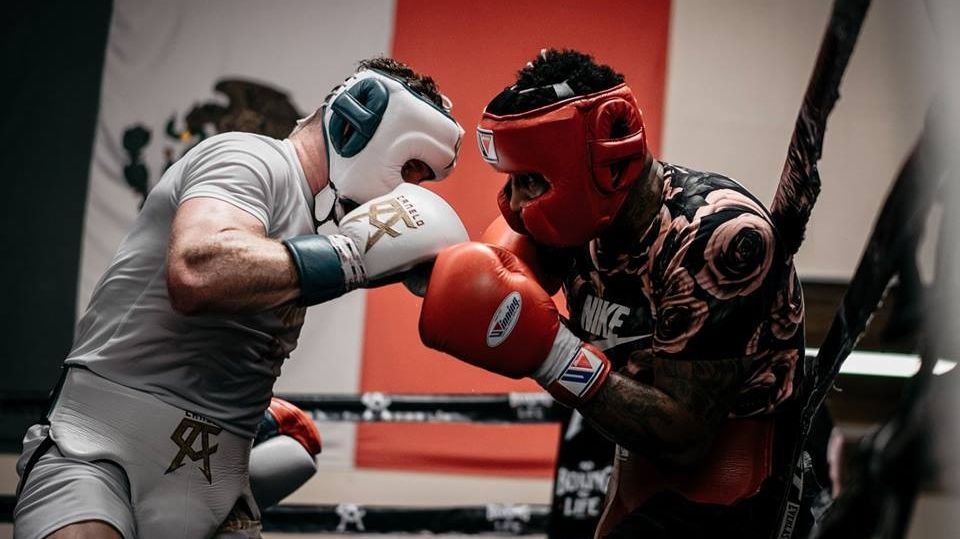
Controlling Speed and Power
A common pitfall for inexperienced fighters is the temptation to put maximum power into every single punch thrown. Doing so rapidly depletes cardiovascular endurance and drains overall energy levels. Because a significant percentage of punches thrown in a professional bout will either miss their target or be blocked by a tight defense, fighters must learn to mix in lighter, faster shots to maintain pressure and disrupt an opponent’s rhythm.

The tactical "tap" is an invaluable tool for applying sustained pressure without expending excessive energy. Tapping an opponent’s gloves from a safe distance forces them to react, either driving them backward or provoking an overextended swing that opens up a clear counter-attacking window. Doubling or tripling up on the jab while advancing prevents the opponent from ever settling into a comfortable offensive flow.

Furthermore, the light jab serves as an essential survival mechanism when a fighter is hurt or physically exhausted. When an opponent smells blood and attempts to walk a tired fighter down, a stream of rapid, low-energy taps creates vital breathing space. Rotating toward the outside of the opponent’s body—safely away from their dominant power hand—and peppering them with varied jabs forces them to constantly guess the next move, a masterclass in ring generalship famously demonstrated by elite technicians like Vasyl Lomachenko.

When a definitive opening finally presents itself, the fighter can transition instantly from a measuring tap to a heavy power jab, utilizing a sharp step-in to maximize force. When facing an aggressive, forward-moving opponent, maintaining a continuous volley of jabs while retreating is one of the most reliable ways to hold the line, provided the fighter remembers to continually shift angles to avoid getting trapped against the ropes.

Continuous Development
Refining the jab requires relentless repetition, conditioning, and discipline in the training room. Fighters seeking to enhance their punching power and endurance often incorporate explosive physical regimens, including explosive pushups, medicine ball tosses, and sledgehammer drills, all of which directly contribute to upper-body speed and output stamina.

Ultimately, the most common mistake made with the jab is simply not throwing it often enough. Fighters are encouraged to keep firing the punch continuously, even when the opponent appears to be slightly out of range, as the persistent threat forces opponents to hesitate before stepping forward. Through disciplined practice and tactical application, the jab transforms from a simple range-finder into the most formidable weapon in the ring.