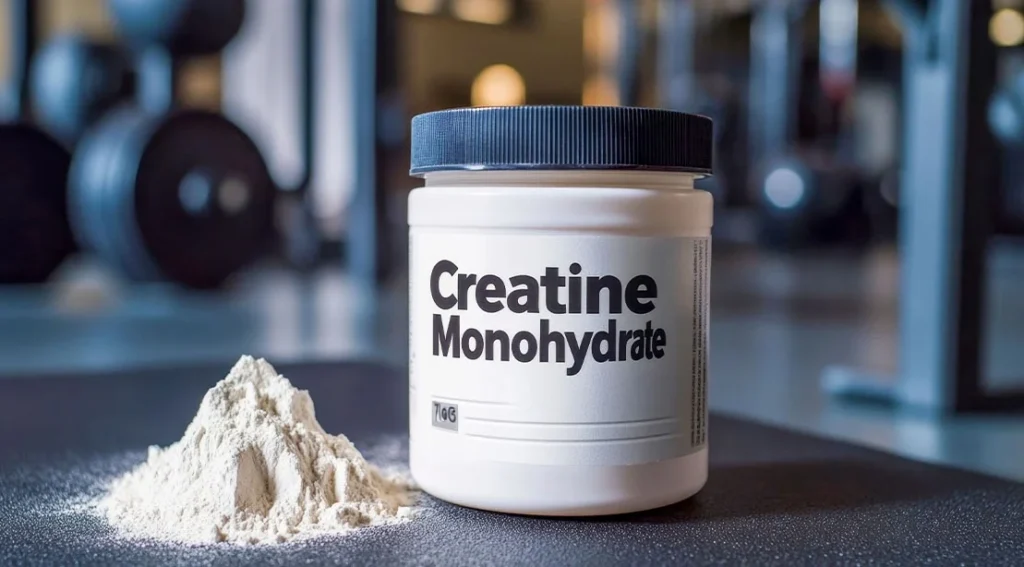

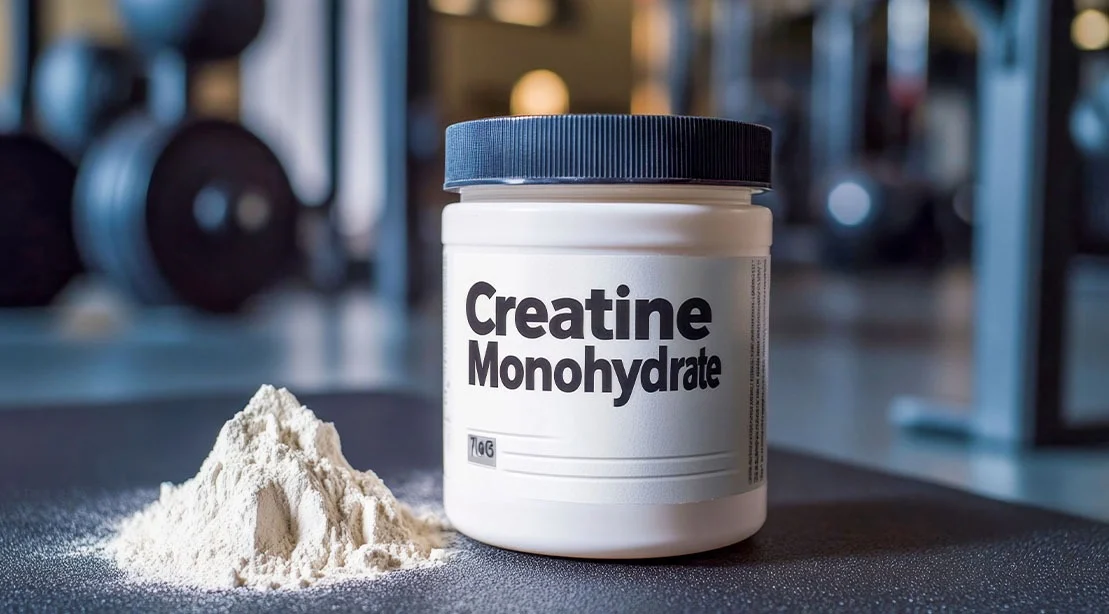
Creatine has been a fixture in the fitness industry long enough to survive generations of reinvention, marketing trends, and shifting consumer habits. As a supplement industry staple for decades, it remains relatively inexpensive, thoroughly researched, and genuinely useful when combined with proper resistance training. Naturally, however, standard scientific consensus is rarely considered sexy enough for the modern internet. Recently, social media feeds and fitness blogs have seized upon a new study suggesting that individuals might be able to take creatine, skip the gym altogether, and build muscle anyway.
For many fitness veterans, the immediate reaction to such a claim is reminiscent of bodybuilding legend Ronnie Coleman’s famous declaration: “Everybody wants to be a bodybuilder, but nobody wants to lift no heavy-ass weights.” Yet, despite the initial skepticism, the underlying study is entirely real. Researchers at Texas A&M University published the findings in the Journal of the International Society of Sports Nutrition, and the results have steadily generated discussion across the health and wellness sector. The International Society of Sports Nutrition is a legitimate scientific organization, and Texas A&M boasts a well-respected research program, making the study worthy of a closer, more objective look.
The research team recruited 73 sedentary adults between the ages of 45 and 65 for a 12-week trial. By the conclusion of the study, 64 participants had successfully completed the protocol. The participants were divided based on their personal choices regarding lifestyle interventions: some chose to follow a structured exercise-and-diet program, while others chose not to exercise. Within those respective groups, participants were randomly assigned to receive either ten grams of creatine monohydrate per day or an inactive placebo.
Following the 12-week intervention period, notable changes were observed. The non-exercising participants who took creatine gained approximately 2.4 pounds of lean tissue, as measured by body-composition scans. In contrast, the non-exercising participants who received the placebo did not show comparable gains. Furthermore, the creatine group demonstrated improvements on certain strength tests. These outcomes naturally sparked intense discussion, prompting a vital question: are these results evidence of effortless muscle growth, or is something else entirely happening beneath the surface?
To understand these findings, context is essential. The researchers utilized dual-energy X-ray absorptiometry (DXA) scans to measure body composition. While DXA scans are standard tools in clinical and research settings, they cannot distinguish between newly synthesized muscle protein and the cellular water retained within lean tissue. Creatine is well known to increase intracellular water storage, particularly during the initial loading and supplementation phases. Because the study did not directly measure changes in total body water, it remains impossible to determine precisely how much of that apparent gain represented actual, newly built muscle tissue as opposed to fluid retention.
A Small Comparison, with Important Caveats
Another critical detail tends to get lost in translation between academic journals and viral headlines. The non-exercise comparison group involved a relatively small cohort consisting of just 13 creatine users and 13 placebo users. While a sample size of 26 participants is not entirely worthless, it is far from comprehensive.
Furthermore, the researchers randomized the supplementation protocol, but they did not randomize the decision to exercise. Participants actively chose whether or not they wanted to join the training program. Consequently, comparisons between the exercising and non-exercising cohorts do not function the same way as a fully randomized trial designed to test the efficacy of exercise itself.
Meanwhile, the participants who did choose to exercise combined resistance and aerobic training three times a week alongside a calorie-restricted diet. The creatine users within that exercising group gained nearly three pounds of lean tissue and demonstrated superior improvements across several performance metrics. These findings are certainly interesting, but the study design does not indicate that supplementation can serve as a substitute for physical labor. Ultimately, the broader picture continues to favor the traditional approach: take the supplement if desired, but consistency in training remains paramount.
The investigators also noted encouraging changes in secondary outcomes, including memory tests, blood lipids, and blood-sugar markers. While these exploratory observations are worth noting, the researchers tested a wide array of outcomes within a relatively small study. The authors themselves characterized the individual cognitive and metabolic results as exploratory, which is scientific terminology for preliminary data that requires replication in larger, more comprehensive trials before definitive conclusions can be drawn.
Funding and Disclosures Deserve a Closer Look
For the sake of complete transparency, the study’s financial and institutional disclosures merit attention. The research was supported by a foundation gift, while a commercial creatine manufacturer supplied the supplements used in the trial and paid for one specific laboratory assay. Additionally, the senior researcher disclosed a formal position on that same company’s scientific advisory board.
While industry funding and academic partnerships do not automatically invalidate study results, they underscore the importance of thoroughly reading disclosure statements before reporting on supplement research. Industry-sponsored trials are common in nutritional science, but understanding the financial ecosystem helps contextualize the findings.
Ultimately, these new data do not alter the established reputation of creatine as one of the few sports nutrition products backed by a substantial body of scientific evidence. The dosage utilized in this specific experiment was ten grams daily, which is significantly higher than the standard three- to five-gram maintenance dose traditionally recommended for weightlifters. Individuals with underlying health concerns, such as kidney disease, should always consult a qualified healthcare professional before beginning any new high-dose supplement regimen.
Can creatine offer physiological benefits to individuals who do not engage in formal weight training? This trial suggests that it might, and that possibility is certainly worthy of continued scientific inquiry. However, the data do not prove that a daily scoop of powder can produce meaningful muscle hypertrophy without physical exertion. The supplement remains scientifically fascinating precisely because it may offer health and performance benefits that extend beyond what was previously understood. Yet, treating it as a miraculous shortcut overlooks the decades of solid research that already established its value in the gym.