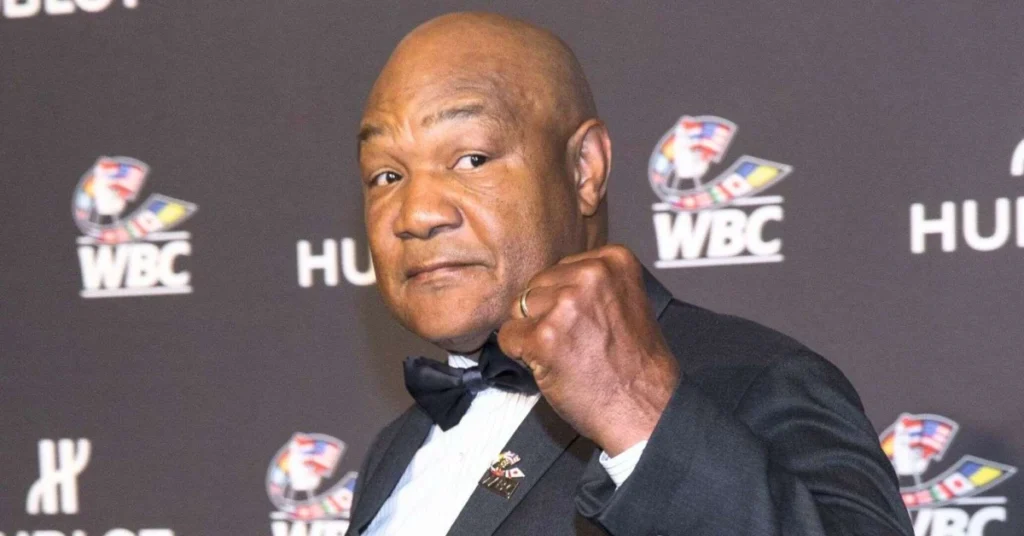

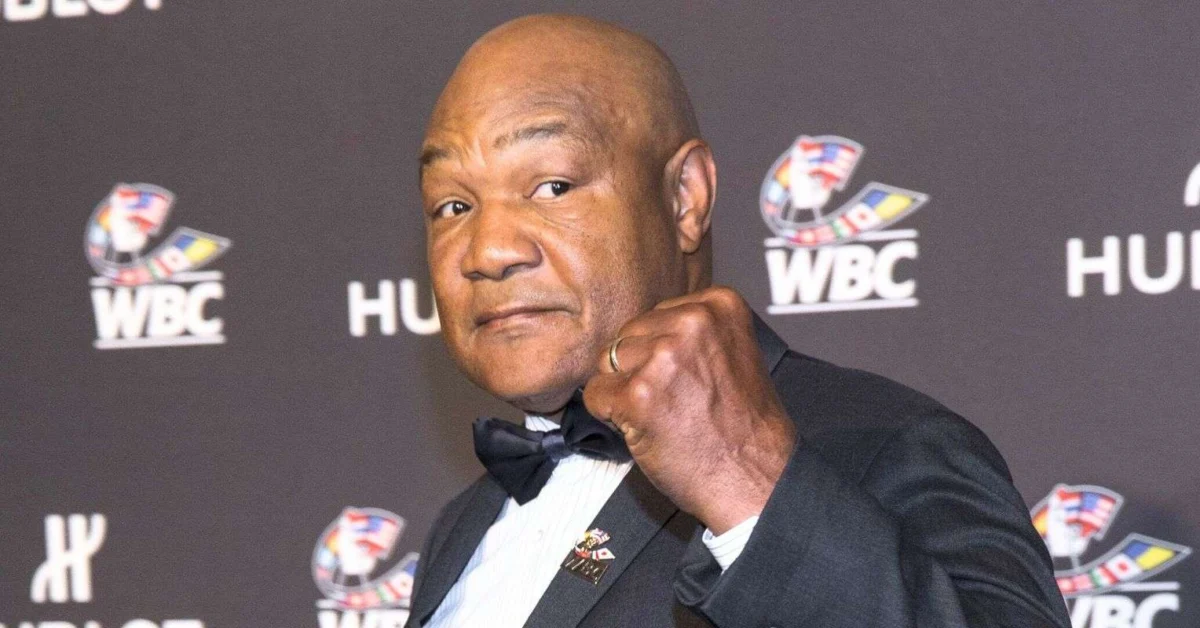
George Foreman occupies a singular and towering space in the history of professional boxing as the only man to capture the heavyweight championship across two distinct eras separated by nearly two decades. During his first reign in the early 1970s, Foreman was widely regarded as an intimidating, almost supernatural force of nature—a devastating puncher whose frightening power instilled genuine fear in his opponents. By the time of his second reign, however, he had transformed into something entirely different: the ultimate sporting underdog, a middle-aged veteran thriving in a grueling sport that historically belongs to the young and the fast. Yet, in November 1994, he achieved what many seasoned observers and boxing historians considered entirely unthinkable.
At the remarkable age of 45, Foreman stepped into the ring to challenge the undefeated, unified WBA and IBF heavyweight champion, Michael Moorer. The championship bout carried profound historical weight, pitting youth, speed, and technical mastery against the relentless, aging power of a legend attempting to defy the fundamental laws of athletic aging.
Michael Moorer entered the contest holding a pristine record and the distinction of being the world’s first southpaw heavyweight champion. At just 26 years old, Moorer was exceptionally fast, fiercely aggressive, and riding high off a momentous victory over Evander Holyfield. By contrast, Foreman entered the ring significantly heavier and visibly slower than his younger opponent. Mainstream critics and boxing analysts widely dismissed his chances, with many openly questioning whether the championship fight ought to have been sanctioned given the apparent mismatch in speed and reflexes.
For the vast majority of the championship fight in Las Vegas, the critics appeared entirely correct. Moorer completely dictated the tempo and control of the bout, utilizing his superior hand speed, sharp combinations, and dynamic lateral movement to frustrate the aging challenger. Foreman trudged forward methodically, absorbing a steady stream of clean punches while maintaining an outwardly calm and composed demeanor. In the corner between rounds, Foreman’s training team urgently implored him to increase his output and throw more punches to break through Moorer’s defense, but Foreman steadfastly resisted, remaining patient and biding his time.
Then came the defining moment in the tenth round. Foreman finally succeeded in backing Moorer toward the canvas ropes, trapping him just long enough to unleash a textbook, perfectly timed one-two combination. The impact was instantaneous and devastating; Moorer dropped straight to the canvas and proved completely unable to recover before the referee counted him out. With that single, thunderous punch, George Foreman shattered the record to become the oldest heavyweight champion in boxing history, instantly silencing every lingering doubter and rewriting the record books.
This historic victory transcended a mere display of raw power and psychological patience—it cemented itself as one of the greatest, most emotionally resonant comeback stories in the history of sports. George had suffered a crushing defeat seventeen years earlier to Muhammad Ali in the legendary "Rumble in the Jungle," an event that eventually led him away from the sport entirely. He spent the intervening years serving as an ordained minister and working with at-risk youth, largely detached from the world of elite athletics, before making an astonishing, improbable return to the ring years later.
On that unforgettable night in Las Vegas, Foreman completed a massive circle of personal and professional redemption. Reflecting on the tactical brilliance and the quiet execution of his championship-winning strategy, Foreman later offered a simple explanation for how he orchestrated the upset: "Nobody had any idea I was setting it up all night. I dreamed that I knocked out Michael Moorer before the fight."