The tension between Strickland and the UFC erupted after the middleweight champion expressed severe dissatisfaction with the financial offers presented to him for a potential title defense against Nassourdine Imavov. Feeling drastically underpaid relative to his status in the organization and drawing comparisons to massive pay gaps involving stars like Conor McGregor, Strickland went as far as threatening to drop his championship belt entirely. He also floated the idea of rushing through the remaining fights on his current contract so he could exit the promotion and test the open market as a free agent.
Dana White was quick to counter those complaints, publicly dismissing Strickland’s grievances as unwarranted. The UFC boss pointed out that Strickland had only recently signed a fresh contract extension back in May, just prior to his monumental title victory over Khamzat Chimaev. According to White, airing public grievances shortly after inking a new deal is an unfair and unproductive way to conduct business.
For Van, who has enjoyed a meteoric rise through the combat sports ranks, the entire spectacle could and should have been avoided through professional private communication. Speaking candidly during a recent appearance on the Outta Pocket podcast, the 25-year-old champion detailed why he felt Strickland’s strategy was fundamentally flawed.
"He just signed a contract in May and fought Khamzat, and then he won," Van said during the interview. "Instead of going on Twitter and going on all that [expletive], he should have talked to Dana and said, ‘I wanna renegotiate.’ Behind closed doors. Then the boss would have been like, ‘OK, let’s talk about this, what you want?’ You just beat the boogeyman. Now it’s a whole mess."
Van further illustrated his point by drawing a parallel to conventional employment, arguing that standard workplace etiquette still applies even at the highest levels of professional prizefighting. In Van’s view, public outbursts do little to solve financial disputes and instead complicate an already rigid contractual landscape.
"If you work at a 9-to-5 job and you go off to your boss and you’re like, pay me this much. Like, what the [expletive]? You know what I mean? So he’s in a bad spot right now. He’s still under the contract. I don’t know how that’s gonna work," Van added.
Interestingly, Van’s perspective on the matter is nuanced. Despite siding with White on the issue of professional decorum, the young flyweight champion is not entirely disconnected from the broader sentiment shared by many fighters that compensation across the roster should ideally be higher. In fact, Van acknowledges that fighters generally deserve to be paid more for the physical toll and risks they take inside the Octagon.
However, Van’s personal reality within the organization stands in sharp contrast to Strickland’s current predicament. Having started his professional mixed martial arts career at a time when Strickland was already a seasoned veteran with 14 UFC fights under his belt, Van views his own professional trajectory with immense gratitude. Where Strickland feels shortchanged, Van feels thoroughly satisfied with his standing under the promotion’s banner.
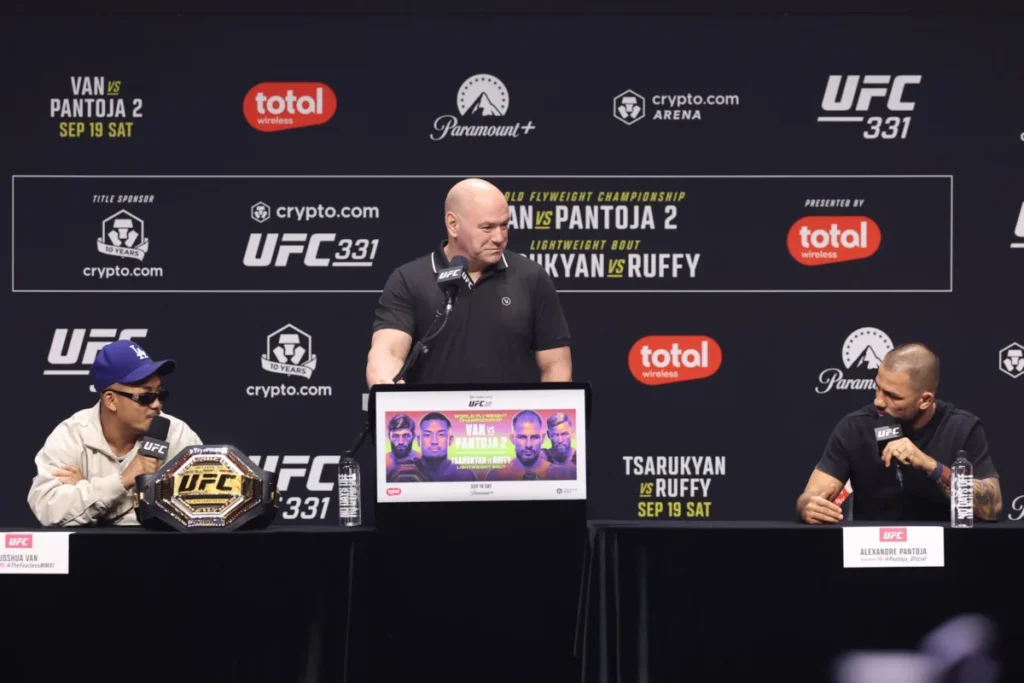
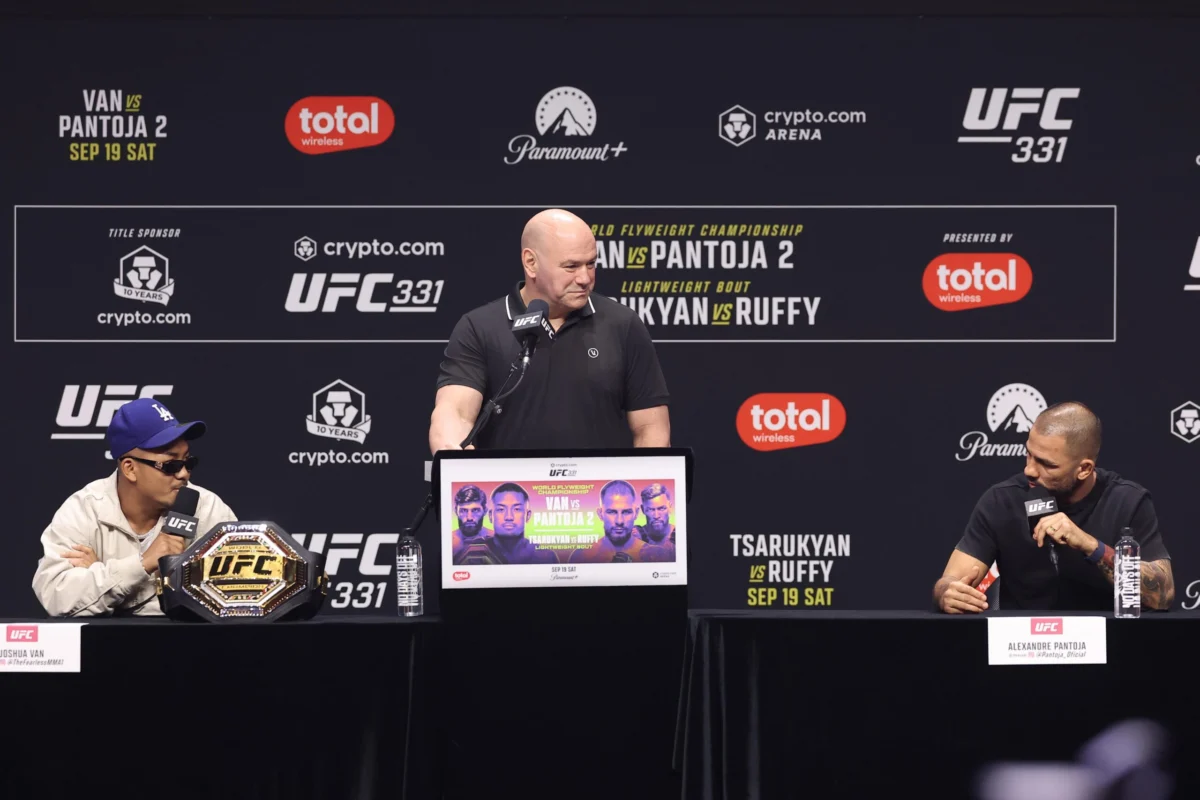
Van is currently riding a wave of unprecedented momentum. He recently successfully defended his 125-pound championship belt via a hard-fought decision victory over Alexandre Pantoja. That victory marked Van’s third consecutive title bout win within a remarkably compressed span of just 10 months. Notably, that impressive run included a devastating fifth-round technical knockout victory over Tatsuro Taira, which took place during the co-main event of the historic Chimaev versus Strickland card.
Reflecting on his financial standing and relationship with the promotion, Van made it clear that he has no complaints about his own contract.
"I’m getting paid good," Van said with a laugh, addressing his earnings. "I think they pay me a good amount; I don’t know, but fighters that think they deserve more or—like, should we get paid more? Yes, but, I don’t know, I’m happy where I’m at. I start from zero to now, the UFC literally made me where I’m at, gave me everything that I got right now. I don’t know, I’m happy right now. I can’t really say for the other guy."
As the standoff between Sean Strickland and the UFC leadership continues to develop, fighters throughout the roster are inevitably forced to choose sides or reflect on their own business dealings with the promotion. While the debate regarding fighter pay and contractual leverage remains a central talking point in the combat sports world, Joshua Van’s stance highlights a growing divide in how athletes believe disputes should be managed—balancing the desire for fair compensation with the practical realities of corporate negotiation and personal loyalty to the platform that built their careers.