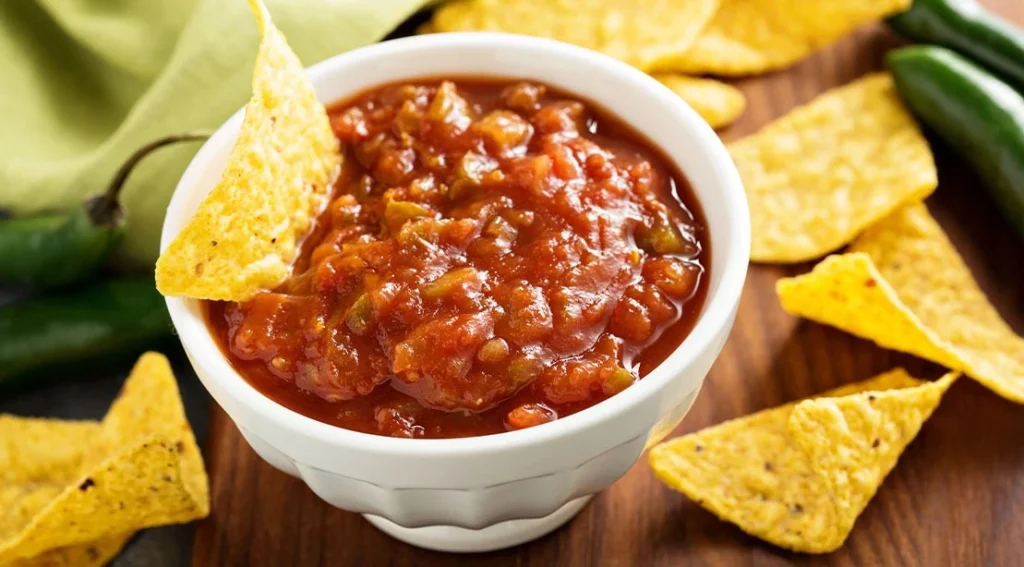

There is a distinct reason salsa remains one of the most popular and enduring condiments on supermarket shelves. Not only can it be paired effortlessly with a bowl of tortilla chips on game day, but salsa can also instantly transform ho-hum meals into something genuinely special. It serves as a definitive antidote against bland, restrictive "diet" food and eliminates the need to spend hours making complex recipes just to achieve good flavor. Dump a generous spoonful of salsa on what is almost guaranteed to be a bland, dry chicken breast, and you suddenly have a meal worth looking forward to.
It delivers a surge of flavor without sacrificing nutritional value. Whether you prefer your salsa spicy or mild, chunky or smooth, keeping a jar tucked away in the pantry is a culinary strategy that always pays off. After all, taco night is usually just around the corner. Beyond its traditional role as a dip for chips, salsa is an incredibly versatile condiment that can bring life to scrambled eggs, grilled chicken, baked fish, green salads, baked potatoes, and countless other dishes.
Nutritional virtues are another major reason to keep salsa stocked at all times. Salsas tend to be much more calorie-conscious than heavy creamy dips, rich sauces, and oil-laden salad dressings. Furthermore, they are typically crafted from wholesome, plant-based ingredients like tomatoes that pack serious nutritional firepower.
While homemade salsa is undeniably delicious, it is not always convenient to whip up from scratch on a busy weeknight, which is where store-bought varieties come in handy. The classic supermarket condiment has evolved significantly since it first surged in popularity across American households back in the 1970s. Today, consumers are greeted by an overwhelming array of brands and incredible flavor profiles, ranging from vibrant salsa verde to fresh pico de gallo. However, not all commercial salsas are created equal. Some are unfortunately sullied with excessive sodium, added sugars, and odd-sounding chemical preservatives. With so many options lining the grocery store aisles, finding a salsa that genuinely aligns with your personal health and wellness goals can feel like a perilous task.
In order to solve this nutritional conundrum, consumers often have to slog through crowded condiment aisles and read countless fine-print nutrition labels to figure out how to choose the healthiest salsa every time. No longer should a lackluster store-bought salsa leave your family dinner or social gathering in nutritional ruins. By breaking down what truly matters on the back of the jar, shoppers can make informed decisions that benefit both their taste buds and their long-term health.
How to Choose a Healthy Store-Bought Salsa: 5 Nutrition Rules
Choosing the healthiest store-bought salsa is a skill, and like any culinary or shopping skill, it gets considerably easier with practice. Shoppers should avoid getting bogged down purely by calorie counts, as traditional salsa is naturally low in calories. Instead, nutrition experts recommend focusing on specific elements that clearly differentiate a high-quality salsa from a heavily processed product unworthy of a spot in your shopping cart.
The ingredient list should always be the primary point of inspection. A truly great commercial salsa should feature ingredients that read like a recipe you would make at home: think ripe tomatoes, crisp onions, fiery jalapeños, fresh cilantro, tangy lime juice, vinegar, and salt. If you scan the label and see head-scratching chemical words like sodium benzoate, potassium sorbate, or xanthan gum, it is a clear sign of a more highly processed product that relies on additives for shelf stability rather than fresh, whole ingredients.
Sodium content is perhaps the most critical factor to consider when evaluating salsa nutrition. Mass-market jars of salsa can easily become hidden sodium bombs, a problem that is compounded exponentially if you are serving the salsa alongside inherently salty foods like restaurant-style tortilla chips or salted crackers. For many individuals, going overboard on dietary sodium can be detrimental to cardiovascular health and blood pressure regulation. Nutritionists advise shoppers to actively look for salsas containing under 160 milligrams of sodium per serving. While a standard serving size on a nutrition label is typically defined as just two tablespoons—an amount that very few people actually stop at—some forward-thinking brands manage to get this sodium number below 100 milligrams per serving.
Conversely, it is startlingly easy to find commercial brands that unleash 300 milligrams or more of sodium into a single two-tablespoon serving. When you inevitably consume a more realistic, real-world portion of salsa, that sodium intake can quickly accumulate to an alarming degree. Remember that choosing a brand that has made a considerable cut in added salt means you can enjoy your meal without throwing off your daily nutritional balance, even if you want to indulge a bit more generously in this flavorful, chunky sauce.
Added sugars represent another vital metric to monitor, and ideally, this number should be a big, fat zero. Fresh tomatoes contain natural sugars, which are completely normal and harmless in the context of whole vegetables. However, there is no nutritional justification for "sugar," "cane sugar," "corn syrup," or "high-fructose corn syrup" to be found lingering on the ingredient list. Commercial manufacturers occasionally add sugar to mask the taste of inferior, low-quality tomatoes or to compensate for a lack of balanced seasoning. While the amount of added sugar in a single serving of salsa may not seem massive on its own, daily consumption of hidden sugars across various packaged foods accumulates over time, making it wise to eliminate them wherever possible.
When it comes to bringing the heat, spice levels have a surprisingly negligible impact on the overall calorie, sodium, or sugar profile of a salsa. A fiercely spicy, volcano-level version of a particular brand will be virtually identical to its mild counterpart in terms of macronutrients and basic nutritional markers. However, there are distinct physiological health benefits to choosing options that make you break out in a sweat. Capsaicin is the natural chemical compound found inside chili peppers that gives them their fiery kick. Emerging scientific research suggests that consuming capsaicin can help assist in regulating overall calorie intake by promoting satiety and may even have a positive, beneficial impact on the human gut microbiome. Even so, if you prefer your salsa to remain mild and tame, there is no need to force the heat; the core health benefits of salsa stem primarily from the wholesome vegetables themselves rather than the Scoville scale.
Shoppers must also consider organic certification carefully. Choosing an organic salsa guarantees that the primary agricultural ingredients, such as tomatoes and peppers, were cultivated without the application of most synthetic pesticides and chemical fertilizers. This is generally regarded as a positive step for reducing dietary exposure to agricultural chemicals. However, a certified organic salsa can still fall short from a broader nutritional standpoint. Organic cane sugar is still sugar, and organic sodium is still sodium. Therefore, consumers must continue reading nutrition labels with a critical eye, even when picking up a specialty organic salsa verde off the shelf.
Fast High-Protein Meal Prep: Incorporating Salsa Into Daily Diets
Finding the right salsa is only the first step; putting it to work in the kitchen is where the real value lies. Quick, protein-packed meals are a prime example of how having a quality jar of salsa tucked away in the pantry can elevate everyday cooking with minimal effort. Whether used as a shortcut sauce for flatbread pizzas, a marinade booster for lean proteins, or a fresh finishing touch for grain bowls, salsa bridges the gap between healthy eating and maximum flavor. As consumers become more discerning about reading labels and selecting options low in sodium and free of added sugars, the humble jar of salsa solidifies its place as an indispensable staple of modern, health-conscious nutrition.