
By Tony Bellew
Former cruiserweight world champion
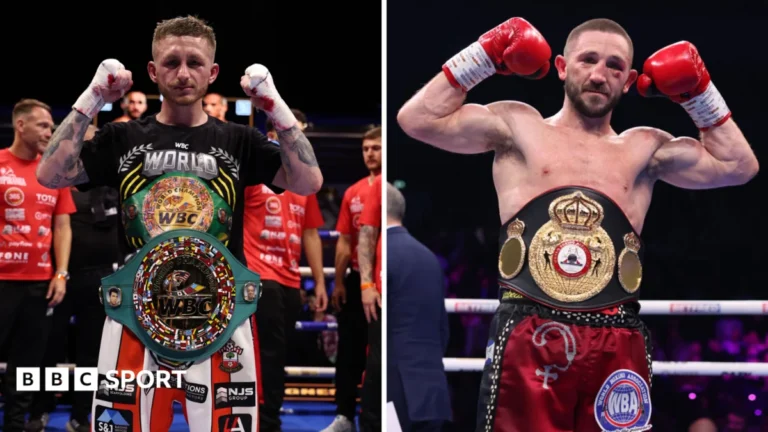
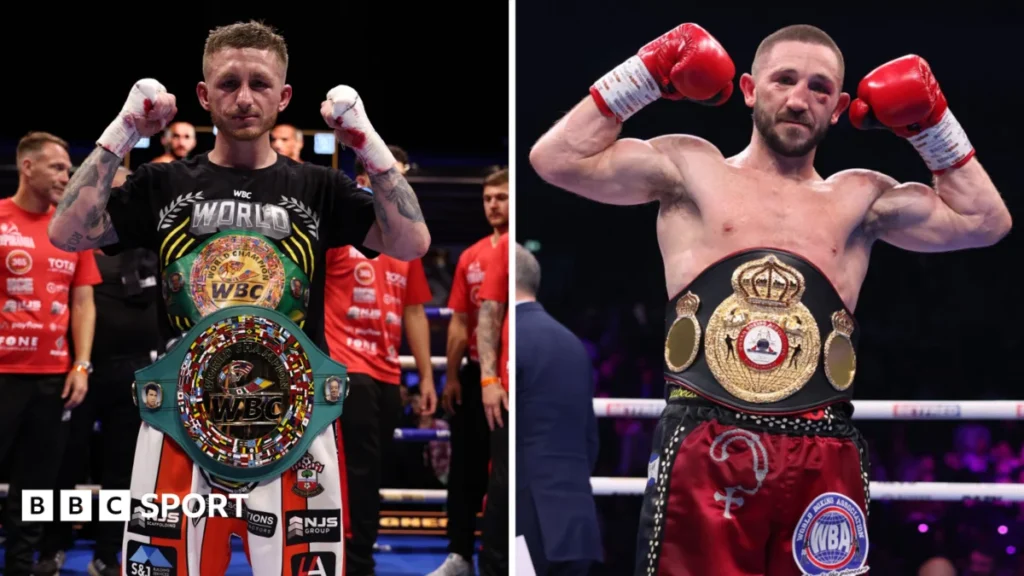
British boxing is currently enjoying a golden era of talent, filled with undefeated prospects, unified champions, and fighters capable of capturing the imagination of the entire nation. Yet, within this stacked landscape, undefeated WBC light-welterweight champion Dalton Smith occupies a unique space. As he prepares to make the next major defence of his career against the Dominican Republic’s Alberto Puello this coming Saturday, the question facing British boxing isn’t whether Smith possesses the skill to elite-level success—he has already proven that he does. The real question is how a fighter with his quiet, professional demeanour makes the leap from being a beloved fixture among hardcore boxing purists to becoming a genuine household name across the wider British public.
Smith enters this weekend’s high-stakes bout following a career-defining, statement-making victory over the much-feared Subriel Matias in New York this past January. That performance stunned doubters and turned heads across the international boxing community, solidifying his status as one of the finest pound-for-pound fighters operating out of the United Kingdom today. In the estimation of many former champions and seasoned analysts, Smith’s technical brilliance, composure under fire, and ring intelligence put him in rare company.
However, as any seasoned fighter will tell you, there is a vast chasm between being a brilliant, belt-holding athlete and becoming a crossover mainstream star. Achieving that elite level of public recognition usually requires more than just clinical performances inside the squared circle; it often demands a defining dance partner, a fierce domestic rivalry, and an unforgettable night that captures the collective attention of a nation that loves a dramatic narrative.
Throughout boxing history, the formula for superstardom has frequently relied on compelling friction. During my own career as a cruiserweight world champion, I learned that lesson firsthand. Despite my achievements and dedication to the sport, my popularity and profile reached an entirely different stratosphere only after my rivalry and subsequent victory over my old friend and adversary, David Haye. In the lead-up to that fight, the prevailing sentiment among the British public seemed to be that I was stepping into the ring to get knocked out. Yet, the British public has an enduring fascination with underdog stories and high-stakes drama. When I woke up the morning after defeating Haye for the first time, my world had completely transformed. Suddenly, grandmothers were stopping me in the middle of the street to tell me how much they wanted me to punch opposing fighters’ heads in, and everyday citizens who had never watched a boxing match before suddenly had firm opinions on my career.
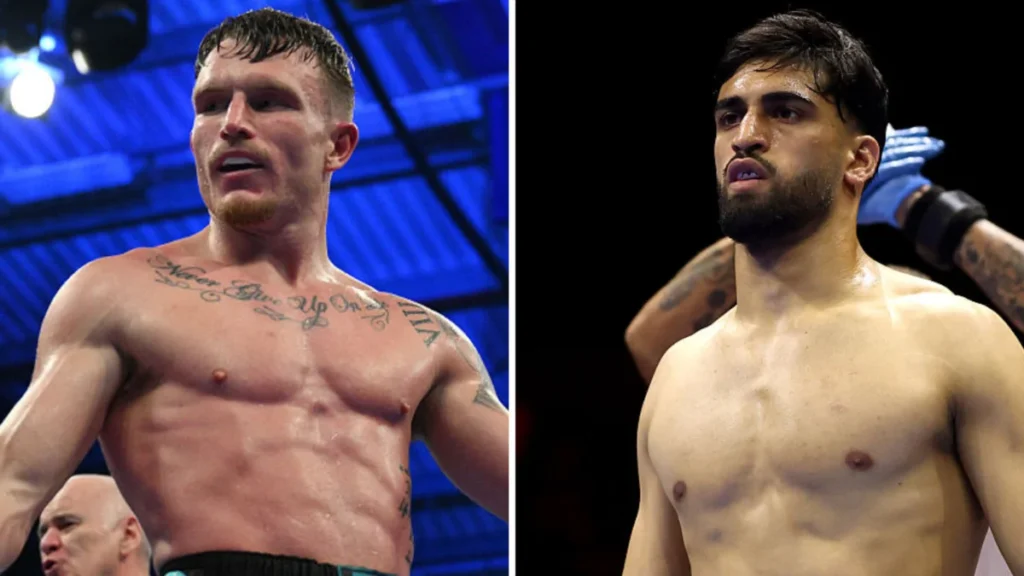
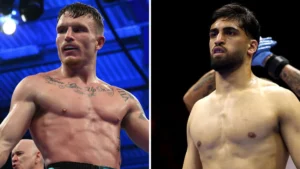
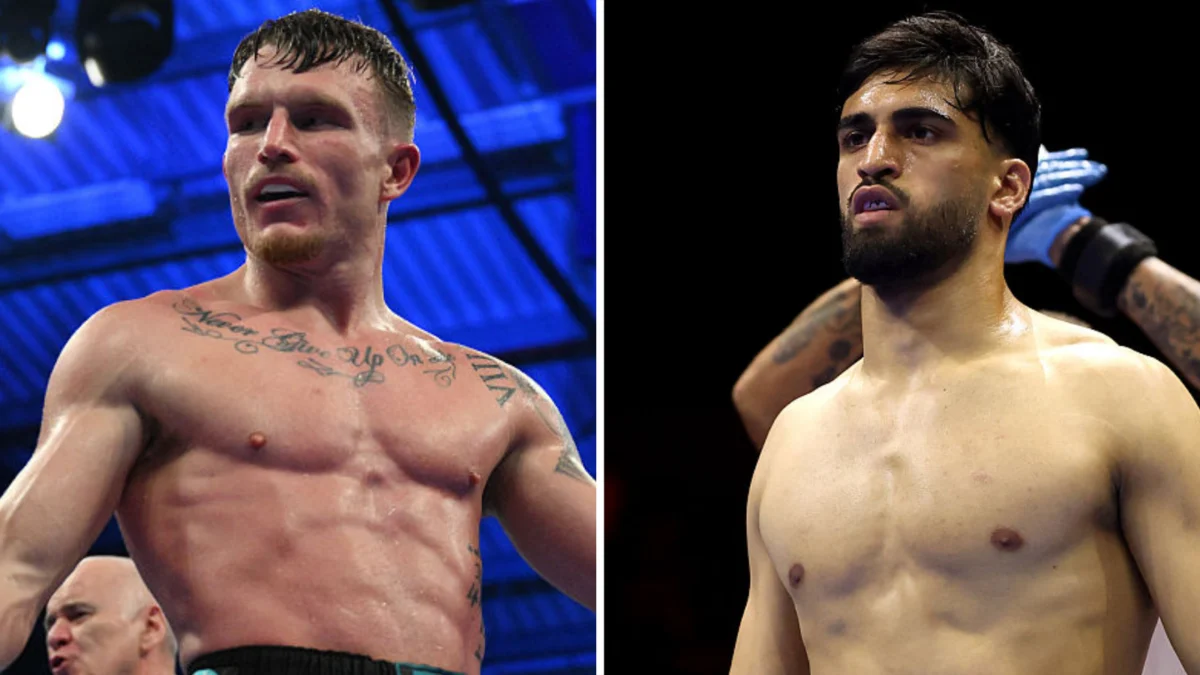
Dalton Smith needs his own defining rival—that specific competitor who can elevate his status from a respected champion known primarily to avid fight fans into a ubiquitous sporting icon recognized by the general public. And looking across the current landscape of British boxing, a potential protagonist for that exact story is already waiting in the wings: Adam Azim.
The prospect of a showdown between Smith and Azim is a matchup that has been quietly brewing among boxing enthusiasts for years. It represents a clash of styles, promotional stables, and immense talent that could easily be staged at Sheffield Wednesday’s historic Hillsborough Stadium. For Smith, who hails from Sheffield, fighting at Hillsborough represents a lifelong ambition. But before any conversations about a massive outdoor stadium fight can materialize, Smith must first navigate a treacherous obstacle on Saturday against Alberto Puello. A defeat at this stage would deal a devastating blow not only to Smith’s momentum but to the broader landscape of British boxing, where he stands out as one of the brightest and most reliable lights.
What Makes Dalton Smith So Special?
My awareness of Dalton Smith dates back to his days shining on the Great Britain amateur squad. At the time, I was genuinely surprised that he chose to turn professional rather than stay on for an Olympic cycle, as I fully fancied him to secure a major international medal. Yet, looking at where his career has taken him since making his professional debut in 2019, it is hard to argue with the path he has chosen. He has compiled an unblemished record of 19 professional victories, with 14 of those wins coming by way of stoppage, culminating in his capture of the prestigious green-and-gold WBC light-welterweight title.

What makes Smith refreshing in the modern era of combat sports is his approach to promotion. He is not someone who feels the need to resort to outrageous public statements in the vein of Tyson Fury, nor does he court manufactured controversy like Derek Chisora. Instead, Smith lets his work inside the ring do the talking for him, a quiet professionalism that commands immense respect from peers and veterans alike.
He proved the depth of his capabilities when he went to New York and dethroned the formidable Subriel Matias. On the morning of that fight, I spoke with promoter Eddie Hearn and told him unequivocally that Dalton would stop Matias. Eddie initially found it hard to believe given the reputation of Matias, but I was completely convinced of what I was seeing.
What separates Smith from many of his contemporaries is not necessarily sheer physical strength, blinding hand speed, or explosive one-punch power, though he possesses formidable attributes across the board. Rather, it is his extraordinary sense of timing. Watching him fight often brings to mind another exceptional Sheffield great, Kell Brook. Like Brook, Smith may not always be the fastest or the most physically imposing man in the division, but his technical execution is nearly flawless. He possesses an uncanny ability to catch oncoming opponents right in the middle of exchanges, utilizing razor-sharp timing that neutralizes their offensive output.
Another crucial element of Smith’s success is his close-knit working relationship with his father and trainer, Grant Smith. In a sport where egos can often clash and isolationism is common among elite coaches, Grant has shown remarkable wisdom. He has consistently allowed Dalton to travel, spar with diverse partners, and learn from different trainers and tactical minds around the world. Many coaches would be fiercely protective and unwilling to bring outside perspectives into a training camp, but Grant understands that no single trainer holds a monopoly on boxing knowledge. Dalton has benefited enormously from that open-minded and collaborative environment.
Puello is Smith’s Toughest Fight Yet
Despite the euphoria surrounding his victory over Matias and his status as a world champion, there is a danger that people are looking past Alberto Puello ahead of Saturday’s title defence. In my estimation, even accounting for the caliber of Matias, Puello represents the single toughest test of Dalton Smith’s professional career thus far.
Puello is an awkward southpaw equipped with a phenomenal work rate and a granite chin. Throughout his career, he has rarely, if ever, looked genuinely or badly hurt in the heat of battle. While southpaws can traditionally pose complex tactical puzzles for orthodox fighters, Puello does present certain openings because he does not always utilize his stance particularly well, meaning he can be easier to hit than the typical elite left-hander. As a former fighter, I sometimes wish I had faced a few opponents with those tendencies during my own career—though, unfortunately, my path required me to deal with an exceptional southpaw by the name of Oleksandr Usyk.
The primary tactical concern for Smith heading into this weekend revolves around his work rate. He cannot afford to start slowly or allow himself to fall four or five rounds behind on the judges’ scorecards. He must approach every single round as an entirely new fight from the opening bell. The key for Smith will be resisting the temptation to go searching desperately for a highlight-reel knockout. Instead, his focus should be on systematically winning the individual rounds—securing eight, nine, or ten rounds through disciplined boxing.
If Smith manages to solve the puzzle and stop Puello, I will regard him without hesitation as the absolute best fighter in the light-welterweight division. Even securing a hard-fought victory on the judges’ scorecards would stand as a brilliant, career-defining achievement.

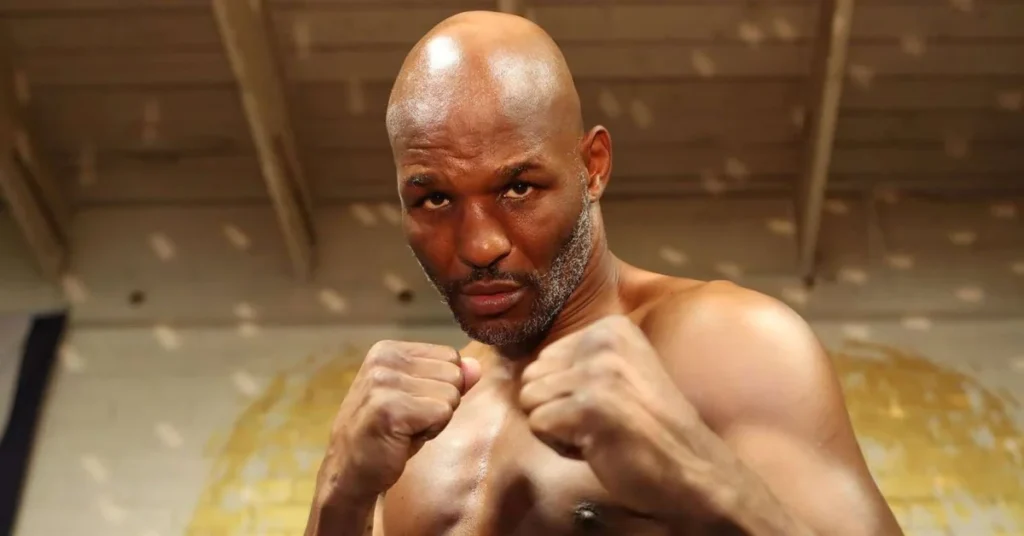
Following this fight, my advice to Smith would be to resist the temptation to immediately jump through weight divisions in frantic pursuit of bigger names and multi-weight glamour. Historical greats like Marvin Hagler demonstrated that a fighter can cement their legacy and achieve true legendary status by thoroughly dominating a single division. Smith should stay at light-welterweight, focus on unifying the remaining championship belts, and make the rest of the division come to him.
Smith v Azim Would Be Electric
Dalton has already achieved the childhood dream that every professional boxer carries when they lace up their first pair of gloves: he became a world champion. Nobody can ever strip the WBC green-and-gold belt away from the history books; that achievement is permanently etched in his legacy.
Yet, I know firsthand about the specific ambition of wanting to bring championship boxing back to your home city’s beloved football stadium. Winning the WBC world title at Goodison Park, the former home of my beloved Everton, was my own lifelong dream, which I proudly realized by stopping Ilunga Makabu in 2016. I completely understand what fighting at Hillsborough means to Dalton, and it is a milestone he deserves to experience.
To make a special night like that happen on a grand scale and elevate himself into a true mainstream star, Smith requires the right dance partner. While the global boxing scene offers numerous formidable opponents, the domestic showdown against Adam Azim remains the most compelling option on the table.
There is simply nothing quite in sport like a genuine domestic rivalry to capture the public imagination. The atmosphere at Hillsborough for a fight between two peak British talents would be nothing short of electric. You would have two of the finest fighters in the country locking horns, backed by a real competitive animosity, with top promoters Eddie Hearn and Ben Shalom trading verbal volleys in the media throughout the build-up.
Azim brings terrifying tools to the table, notably his blistering hand speed, which arguably makes him the fastest fighter in British boxing pound-for-pound. But as the old adage in combat sports goes, timing beats speed every single time. That timeless stylistic clash is precisely what makes a potential Smith-Azim rivalry so endlessly fascinating for analysts and fans alike.
Ideally, one might hope to see Azim capture a world title of his own first, setting the stage for a massive domestic unification bout between two undefeated British champions. Such a matchup could even generate enough interest and competitive drama to warrant a trilogy.
Before any dreams of Hillsborough, grand stadium lights, or a blockbuster domestic showdown with Azim can become reality, however, Smith must first turn his entire focus toward the immediate threat standing across the ring on Saturday. Beating Alberto Puello is by no means a formality, and any lapse in concentration could derail a career that is currently poised on the precipice of true greatness. Once that test is successfully navigated, the conversation around the future of British boxing can truly begin.