As the boxing calendar rolls forward, the sport finds itself at a fascinating crossroads marked by shifting promotional landscapes, digital drought in gaming, and the timeless debates that define fight fandom. From the persistent influence of working-class fighters to the strategic matchmaking of young champions and the uncertain futures of modern legends, a recent mailbag session unpacked some of the most pressing and nostalgic topics in the sweet science.
The Enduring Appeal of the Blue-Collar Fighter
The conversation opened with a look at the archetypal "working man’s fighter"—those gritty competitors whose grit, heart, and blue-collar energy resonate deeply with fans across cultural and geographic lines. While some might point to legends like Arturo Gatti, Andre Ward, or even the eccentric Tex Cobb, the connection runs much deeper than mere style. Ricky Hatton remains a quintessential example, a British star whose flaws only magnified his authenticity. Hatton brought an undeniable passion and blue-collar work ethic to the ring, making him a mirror for ordinary people regardless of nationality.
Similarly, the legendary rivalry between Erik Morales and Marco Antonio Barrera highlighted contrasting personas, with Morales largely embraced as the working-class representative against the more upper-crust Barrera. In the American Rust Belt, fighters like Kelly Pavlik carried a similar torch. Hailing from Youngstown, Ohio—a city uniquely scarred by industrial decline—Pavlik mirrored the people of the broader Great Lakes and Midwest regions. He possessed the familiar background of the neighbors and friends of his generation, albeit paired with elite talent and heavy-handed power that carried him to the top of the sport.
Cross-Era Matchups and the Mindset of Modern Champions
Mythical matchups always ignite fierce debate among purists, particularly when attempting to bridge generations. Pondering a hypothetical clash between Rocky Marciano and Oleksandr Usyk illustrates the difficulty of comparing eras, where training methods, nutrition, and tactical evolution create vast divides. Yet, Usyk emerges as a uniquely special talent who would likely thrive in any historical epoch. Beyond physical attributes, Usyk possesses the precise mindset that many critics argue modern fighters lack—an old-school dedication and psychological resilience that echoes the greats of the past, even as contemporary boxing grapples with shifts in training quality and fighter discipline.
That same penchant for compelling character extends outside the ring, particularly when fans weigh the personalities of today’s heavyweights. Asked to choose between a casual evening with Tyson Fury or Billy Joe Saunders, the preference leans heavily toward Fury. Beyond the promotional theatrics and colorful public persona, Fury has repeatedly shown flashes of a deeply thoughtful, highly intelligent individual whose perspective on the sport and life is far more serious than his outward showmanship often suggests.
The Drought of Quality Boxing Video Games
For fans hoping to replicate the action on a console, the landscape remains bleak. Years have passed since a truly satisfying boxing video game has graced the market, leaving enthusiasts to wonder whether the scarcity stems from prohibitive development costs, expensive licensing rights, or a perceived lack of audience demand. Recent titles, such as Undisputed, fell well short of expectations, ultimately feeling more like rushed cash grabs tailored to a starved, dedicated fanbase rather than polished, serious simulations.
Industry observers suggest that a worthwhile boxing game might eventually emerge from an indie studio, bypassing the crushing expense of real-life fighter licensing in favor of pure gameplay mechanics. However, major studios capable of securing a full roster of elite athletes face steep financial hurdles, and the current economic realities of both the video game industry and the sport of boxing make a true blockbuster title unlikely in the near future.
Promotional Shifts: Can Zuffa Boxing Reshape the Landscape?
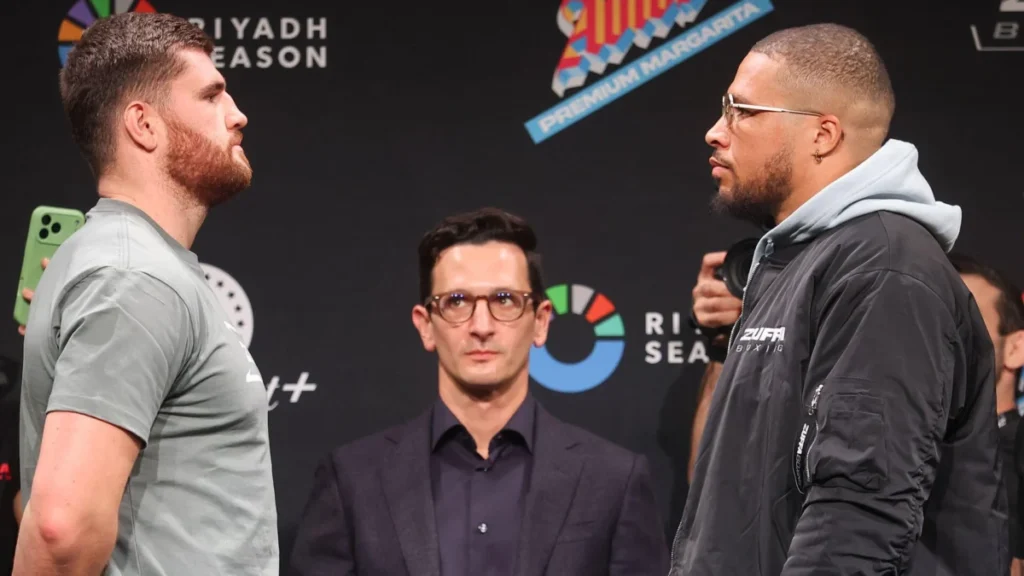
On the business side of the sport, the heavyweight promotional race continues to evolve. Questions persist over whether Zuffa Boxing, backed by the enormous financial muscle and strategic leadership of the Saudi-backed TKO group under Turki Alalshikh, will eventually overtake established promotional giants like Top Rank, PBC, and Golden Boy. Zuffa’s North American reach dwarfs that of platforms like DAZN, which still struggles for mainstream American brand recognition despite years of operation.
Yet, observers advise caution against premature celebration. The immense financial backing supporting Zuffa and TKO could shift or disappear suddenly, meaning everyone in the industry must prepare for that eventual reality. Furthermore, sheer corporate reach has its limits. A promotional entity still needs to deliver compelling fights that audiences actually want to watch. While Zuffa’s early cards have served as a cautious introductory phase, their long-term success will hinge on acquiring top-tier talent and staging high-demand events. Merely having a massive platform or network access does little if the matchmaking fails to capture the public imagination—a lesson learned repeatedly by promoters who chased network television deals in past decades without delivering quality in-ring products.
Strategic Matchmaking and Divisional Contenders
Inside the active divisions, high-stakes bouts and careful career management dominate the discourse. An anticipated matchup between Richardson Hitchins and Keyshawn Davis offers a fascinating tactical puzzle. While Davis is widely viewed as the more dynamic, explosive, and naturally gifted athlete with superior all-around offensive capabilities, Hitchins possesses a masterclass jab that can completely alter the complexion of a fight. If Hitchins can establish his rhythm early, bank crucial early rounds, and frustrate a more aggressive Davis, the door opens for an upset as the younger contender begins pressing and making avoidable mistakes.
Career management remains equally precarious for rising titleholders like Floyd Schofield. Fresh off a championship victory over Bahdi, the 24-year-old Schofield faces a critical juncture. While fans and pundits naturally clamor for immediate fights against elite names like Andy Cruz, Abdullah Mason, or Rayo Zepeda, a cautious approach is often the wisest path for a young fighter’s development. Mason currently presents a stiff challenge, and Zepeda offers a rugged, dangerous test. Rather than rushing into high-risk, high-reward blockbusters prematurely, a smart managerial strategy would likely steer Schofield toward steadier, developmental challenges against ranked contenders like Corey Marksman or Francisco Fonseca. While such bouts may lack blockbuster appeal for the masses, they build the foundational experience necessary to ensure a young champion is fully prepared when the time comes to face the absolute best.
Meanwhile, in the heavyweight division, the appetite for spectacle remains insatiable. The prospect of a battle between veterans Zhilei Zhang and Luis Ortiz—both over the age of 41, notoriously deliberate in their movement, yet possessing terrifying one-punch power—presents the kind of gritty, high-drama matchup that hardcore fans eagerly embrace, regardless of where or when it takes place.
The Twilight of Oleksandr Usyk
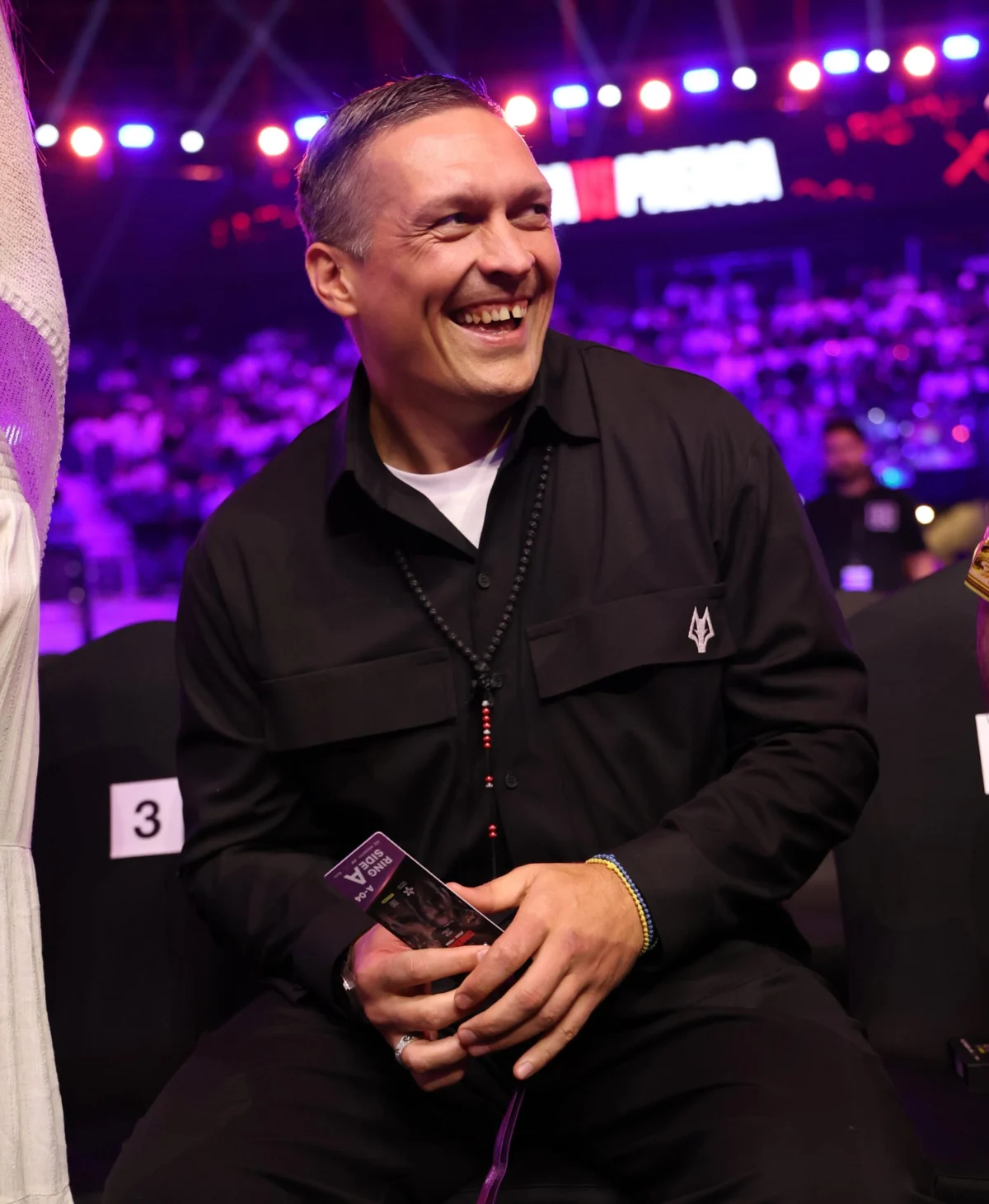
Questions also linger around the future of unified heavyweight great Oleksandr Usyk, particularly regarding whether he has permanently stepped away from the sport or if other high-profile bouts remain on the horizon. While whispers of a matchup with Deontay Wilder circulated previously, the bout failed to materialize, largely due to shifting landscapes in heavyweight star power. For Usyk, a fight against Wilder represented a bucket-list opportunity to conquer every major name of his generation’s heavyweight era.
However, for active boxing fans, Wilder’s recent performances and inactivity have eroded his once-formidable aura, leaving the matchup with limited commercial appeal today. Whether Usyk finds another challenge compelling enough to warrant a grueling training camp remains to be seen, especially as potential crossover opportunities, such as a rematch with Rico Verhoeven, have largely cooled. As the sport moves forward, it would surprise no one if the division’s recent standard-bearer has quietly laced up his gloves for the final time.