

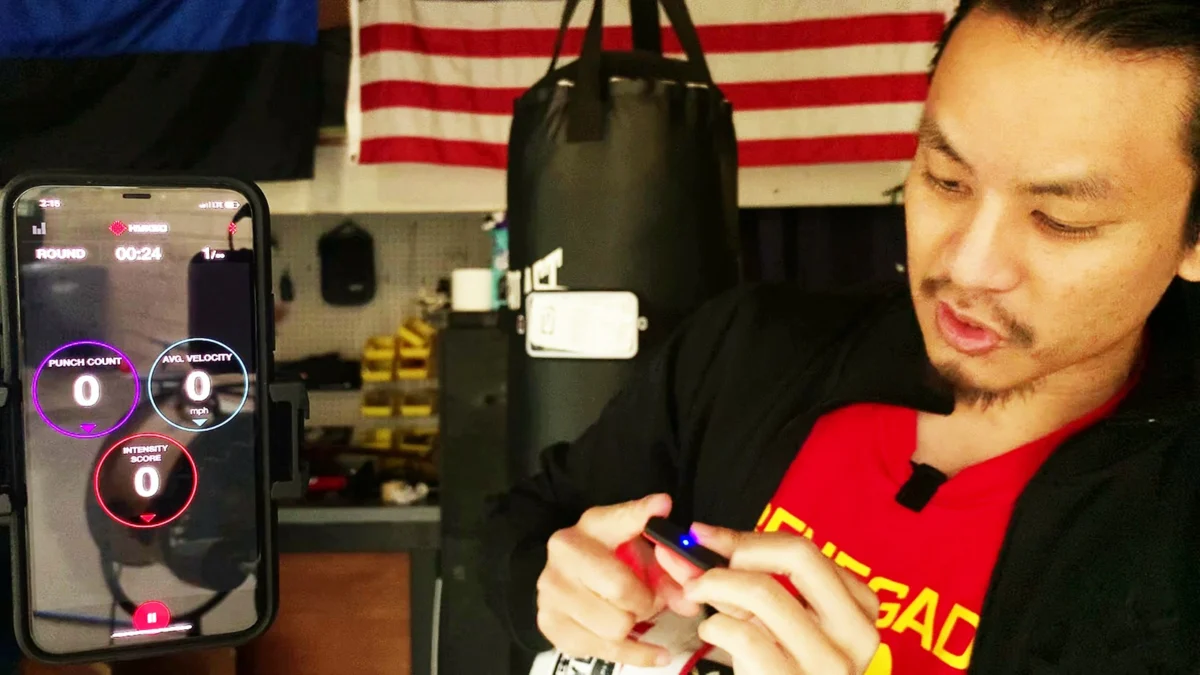
The digital fitness market has spent recent years attempting to revolutionize the sweet science, introducing wearable sensors and mobile applications promising to elevate athletic performance through data. Marketed as high-tech digital trainers for the modern combat sports enthusiast, devices such as PunchLab, FightCamp, Corner, and Everlast PIQ have flooded the training ecosystem. Promising metrics ranging from punch frequency to velocity, these gadgets carry price tags stretching up to several hundred dollars, prompting serious questions about their actual utility in a boxing gym.
To separate marketing hype from genuine utility, veteran boxers and trainers have begun evaluating these tools through the lens of long-term practical application. After more than two years of hands-on testing across multiple generations of punch-tracking technology, the consensus among traditional purists highlights a stark divide between what these digital tools claim to accomplish and what they actually deliver inside the ring.
Understanding Boxing Punch Trackers and Their Market Appeal
At their core, boxing performance trackers function similarly to everyday step counters, but with a specific focus on the hands. Just as a standard fitness band tracks ambulatory movement, a boxing tracker monitors the frequency of thrown punches. While broader fitness ecosystems monitor sleep architecture, cardiovascular zones, and body mass index, dedicated boxing sensors are engineered primarily to record punch output and speed. Advanced iterations attempt to differentiate between straight punches and looping hooks or uppercuts, while others incorporate metrics like G-force or power ratings.
The appeal of these devices targets two distinct demographics within the fitness and combat sports landscape. For professional fighters and dedicated amateurs, the curiosity surrounding new training methodologies is natural. High-level athletes often explore any available avenue to secure a competitive edge, and digital punch counting offers a theoretical method to quantify workload.
Conversely, beginners and casual fitness enthusiasts are drawn to the gamification of workouts. For individuals training independently without a coach or sparring partners, strapping on high-tech gear and syncing it with a smartphone introduces an element of interactive entertainment to otherwise solitary heavy bag sessions.
The Core Criticisms: Quantity Over Technique
Despite the polished marketing campaigns, experienced boxing coaches often voice significant reservations regarding the actual value these trackers provide. The primary critique centers on a fundamental misalignment in focus: these devices measure quantity rather than quality.
A traditional boxing trainer focuses intently on mechanical execution—monitoring whether a fighter drops their hands, pivots the back foot correctly on a cross, or elevates the elbow during a hook. Punch trackers, by contrast, measure frequency and velocity, compiling limited data points into an intensity score. Critics argue that this quantitative focus can inadvertently degrade a boxer’s technique. When athletes become fixated on beating a digital high score, the temptation to sacrifice form for sheer speed becomes a persistent risk.
Furthermore, these sensors are predominantly engineered for heavy bag training and shadowboxing, failing to translate effectively into dynamic environments like sparring or mittwork. During live sparring or active pad sessions, a boxer’s output fluctuates wildly based on defensive reads, strategic adjustments, and tactical pacing. Punch trackers struggle to capture the nuance of inside fighting, short uppercuts, or defensive maneuvers, limiting their utility primarily to straightforward bag work.
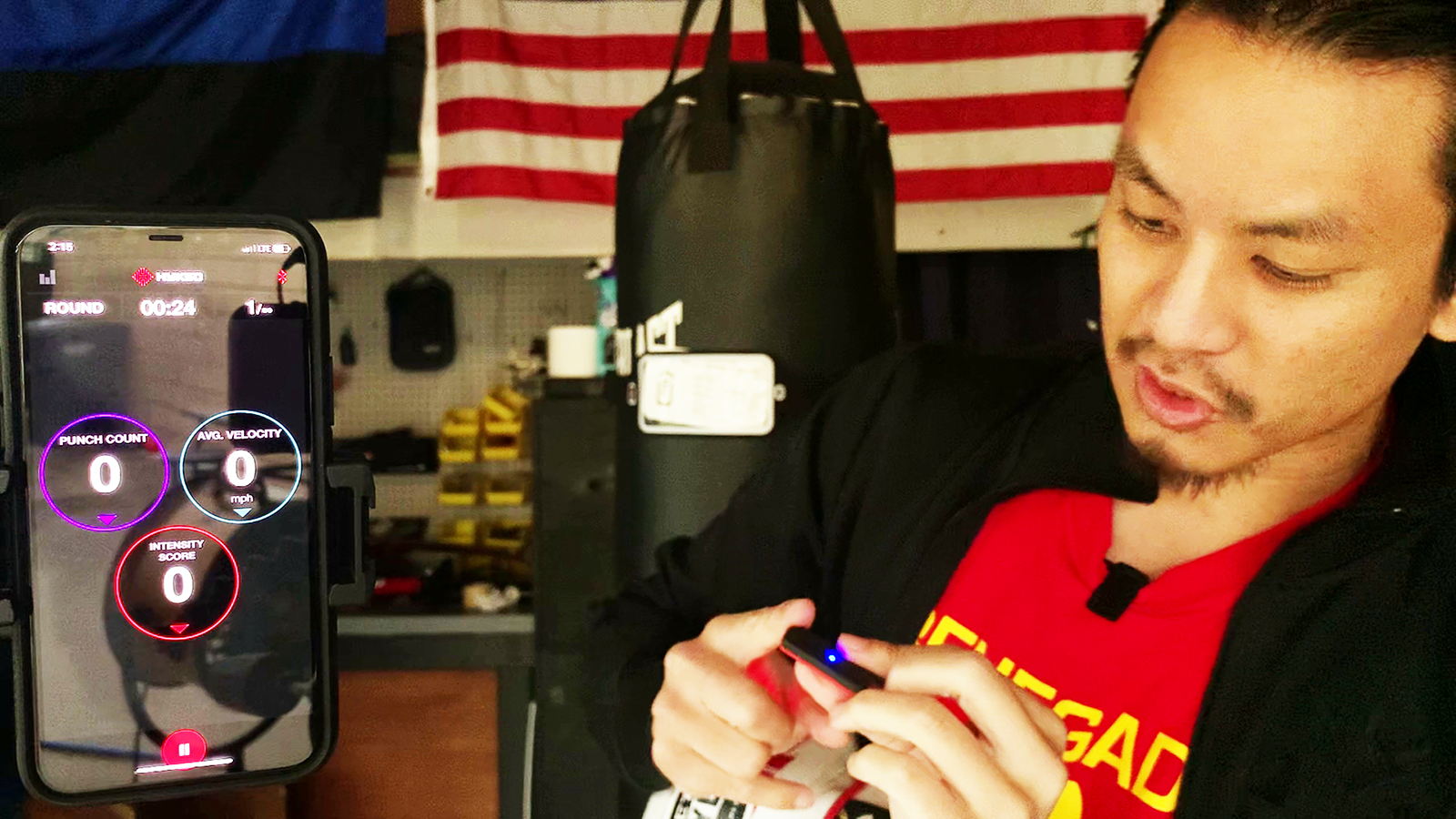
Usability presents another frequent hurdle. The physical process of securing trackers inside handwraps or aligning external glove straps can feel cumbersome, introducing unnecessary friction into the training routine. Coupled with the challenge of interacting with smartphone screens using sweaty hands or boxing gloves, many users find the logistical overhead outweighs the diagnostic benefits.
Evaluating the Market Options: From PunchLab to Everlast PIQ
Among the available options, PunchLab has emerged as a favored choice for purists, primarily due to its simplicity. Rather than utilizing wearable hand sensors, PunchLab employs a mobile application and a belt that securely mounts the smartphone directly to the heavy bag. This approach eliminates the need for separate hardware strapped to the hands while providing instant visual feedback during training. Furthermore, the inclusion of workouts designed by legitimate boxing coaches grounds the platform in traditional technique.
FightCamp, formerly known as Hykso, represents the most established brand in the wearable sensor category. Known for sleek industrial design and polished social media marketing, the system utilizes dedicated trackers that clearly distinguish between left and right hand output. While early iterations focused purely on tracking straight punch counts, the modern FightCamp ecosystem has evolved into a comprehensive home workout platform featuring guided instructional content and structured class formats.
Corner approaches the market from a broader home-fitness perspective. While its hand trackers are well-designed and straightforward to use, the accompanying mobile application prioritizes general fitness and lifestyle classes over sport-specific boxing metrics. This integration offers a wide variety of workouts, though dedicated combat sports enthusiasts may find the experience leans too heavily toward general fitness rather than rigorous boxing training.
Everlast PIQ delivers a robust hardware solution backed by extensive sports-tracking experience. The system captures a wide array of metrics with notable accuracy compared to competitors. However, issues regarding battery longevity, finicky Bluetooth connectivity, and a limited catalog of supplementary training content can diminish long-term engagement for users seeking ongoing variety.
Other market entrants, including StrikeTec and various unbranded generic sensors found on e-commerce platforms, have historically struggled with software ecosystem development, cross-platform compatibility, or maintaining active consumer support, leaving many users cautious about alternative hardware investments.
The Future of Digital Boxing Training
While current iterations of boxing punch trackers successfully gamify home workouts and provide basic workload metrics, the industry remains in a transitional phase. Bridging the gap between simple fitness tracking and the complex, nuanced biomechanics of competitive boxing will require continued innovation in sensor accuracy and software intelligence. Until technology evolves to evaluate strategic execution and defensive technique alongside raw output, experienced fighters will likely continue to view these gadgets as supplementary novelties rather than essential training instruments.