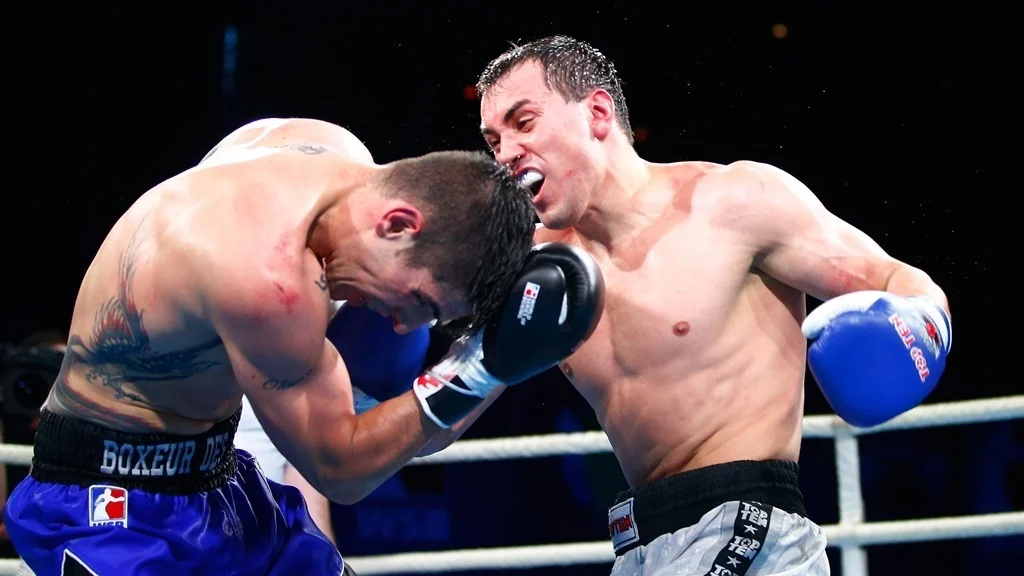


In the high-stakes world of mixed martial arts, few moments command the arena quite like a sudden knockout. A fighter, locked in intense combat just seconds prior, is abruptly rendered unconscious or incapacitated by a single, perfectly executed strike. To the millions of fans tuning in around the globe, these breathtaking sequences represent the absolute pinnacle of athletic drama, timing, and raw execution. Yet, beneath the roaring crowds and the immediate spectacle of a referee stepping in to wave off a contest lies an intricate and fascinating intersection of biomechanics, neurology, and human anatomy. Examining the scientific principles that govern these dramatic finishes helps demystify the exact physiological mechanisms of what happens when a professional athlete seemingly goes to sleep inside the cage.
At its core, a knockout in combat sports occurs when a competitor is rendered entirely unable to continue due to a physical blow that causes sudden unconsciousness or severely compromises their capacity to defend themselves. Within the landscape of mixed martial arts, these stoppages generally manifest in distinct fashions, whether through instantaneous cerebral shutdown from a clean structural blow or accumulated neurological trauma that gradually drains a fighter’s motor control. Understanding the precise science behind these occurrences requires a deep examination of how the human brain and nervous system react under extreme, abrupt mechanical stress. When the cranium is subjected to a sharp and violent impact, the resulting physical forces can profoundly disrupt normal cerebral function, directly triggering the loss of consciousness or baseline motor coordination that defines the classic knockout.
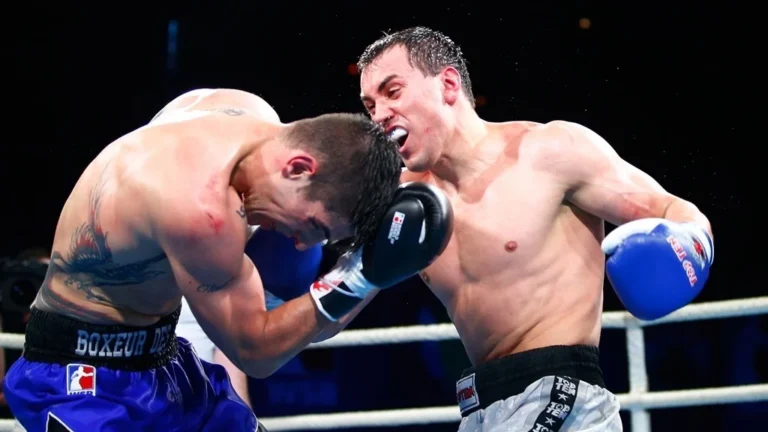
To truly comprehend this phenomenon, one must first recognize the delicate anatomy of the central nervous system. The human brain is a remarkably soft, gelatinous organ suspended entirely within cerebrospinal fluid and encased firmly inside the rigid walls of the skull. While this natural suspension system provides a moderate degree of daily shock absorption, it proves profoundly vulnerable during the violent exchanges of professional combat. When a powerful, high-velocity strike connects with a fighter’s head, the brain is subjected to rapid acceleration and deceleration forces, causing it to effectively slosh and impact the interior walls of the skull. This sudden, violent jolt disrupts the delicate electrochemical pathways and neural networks that govern wakefulness, balance, and cognitive function.
This anatomical vulnerability explains why exceptionally well-placed punches and kicks—particularly those targeting high-leverage areas like the jaw, chin, or temple—carry such devastating potential. Because the jaw acts as a long biological lever connected directly to the base of the skull, a rotational blow to the chin can dramatically amplify the torque transmitted to the brain, twisting the cerebral hemispheres and immediately short-circuiting the nervous system.
However, these spectacular finishes are never the result of brute, uncalculated force alone. Instead, they require a seamless synthesis of raw power, pinpoint accuracy, and exquisite timing. The underlying biomechanics of a knockout blow involve the highly efficient transfer of kinetic energy from the striker’s entire kinetic chain—originating in the feet, driving through the hips and core, and finally snapping through the shoulder and fist—directly into the opponent’s head. The ability to generate this explosive momentum and deliver it with millimeter precision is precisely what separates elite, championship-level mixed martial artists from their less seasoned counterparts. The rigorous application of biomechanical principles dictates that energy must be channeled smoothly, maximizing velocity and impact mass at the exact point of collision.
When this transfer of energy successfully breaches a fighter’s structural defenses, it triggers a cascade of rapid neurological responses. The brain’s vast network of neurons is extraordinarily sensitive to sudden mechanical trauma. Even a brief, violent disruption to the reticular activating system—the core network of nuclei located in the brainstem responsible for regulating wakefulness and sleep-wake transitions—can have profound and immediate effects. When these neurons are abruptly depolarized or sheared by rotational acceleration, the brain instantly shuts down its conscious operations as a protective mechanism, causing the fighter’s legs to buckle and resulting in an immediate collapse.
While the immediate theatricality of a knockout captivates audiences, the physiological aftermath underscores critical concerns regarding athlete health and safety. The brain’s capacity to recover from such profound trauma varies greatly from individual to individual, but accumulated concussions and repeated knockouts over the course of a punishing career carry severe long-term consequences, including the risk of chronic traumatic encephalopathy. Consequently, analyzing the science behind these stoppages has transcended mere athletic curiosity, becoming an essential framework for improving fighter safety, medical evaluations, and modern training protocols.
Recognizing these inherent risks, modern fighters and their coaching staffs place an increasingly high premium on defensive mastery to mitigate the likelihood of absorbing flush, concussive blows. Elite camps increasingly emphasize advanced head movement, effective distance management, high guard structures, and rapid situational awareness. By refining these defensive attributes, athletes can significantly reduce their exposure to devastating impacts while preserving their own offensive output.
As mixed martial arts continues its rapid evolution as a global sport, the emphasis on scientific understanding, neurological preservation, and athlete longevity grows ever stronger. Competitors today possess a vastly heightened awareness of the physiological toll exacted by knockouts and concussions, driving innovations in training methodologies that prioritize both razor-sharp striking skills and uncompromising defensive awareness. By fully respecting the complex science that governs these critical moments, fighters can pursue athletic excellence while better safeguarding their long-term health and well-being inside and outside the cage.