


The debate over whether a fighter should abstain from sex during training camp has echoed through gymnasiums and locker rooms for generations. It is a topic steeped in boxing lore, folklore, and old-school superstition, touching on the delicate balance between physical peak conditioning and natural human desires. While the subject has long been a favorite conversational piece among fighters, trainers, and fans alike, it was permanently cemented into popular culture nearly fifty years ago by a fictional cornerman in one of the most iconic sports films in cinematic history.
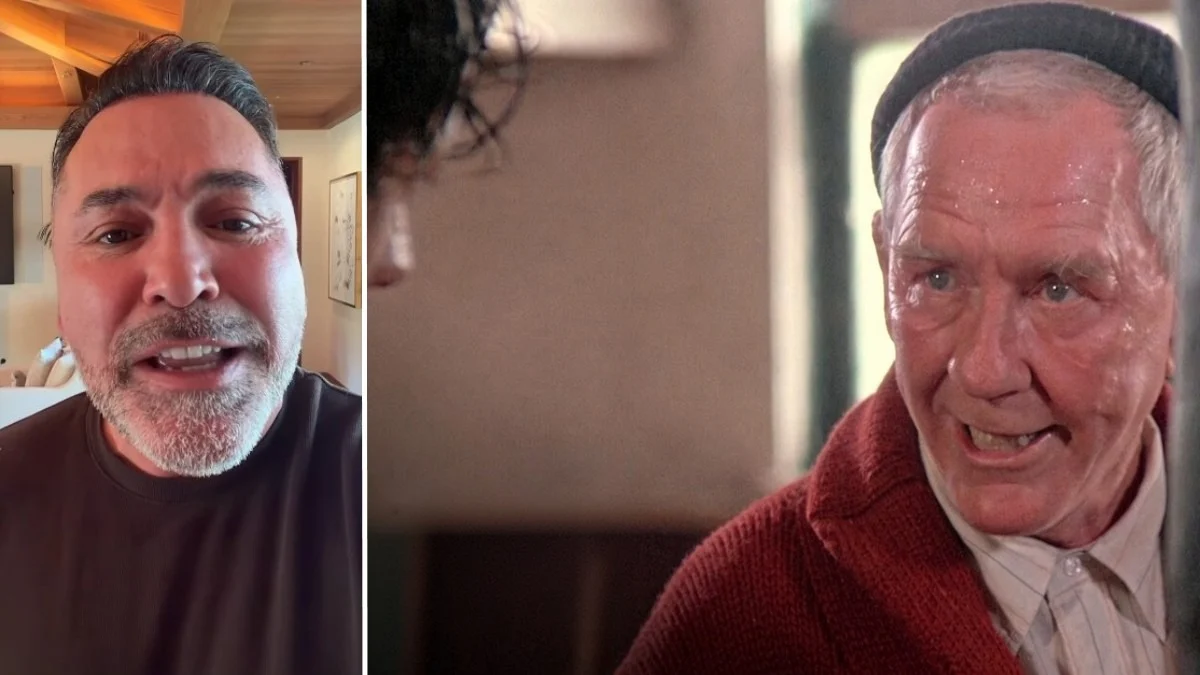
In the original 1976 masterpiece Rocky, veteran trainer Mickey Goldmill delivers a blunt and unforgettable warning to Sylvester Stallone’s character, Rocky Balboa. As the underdog contender prepares for his monumental heavyweight title shot against Apollo Creed, Mickey sternly commands him to stay away from his blossoming romantic interest, Adrian.
"Women weaken legs," Mickey declares with absolute conviction during a grueling training session.
When a bewildered Rocky protests that he really likes her, Mickey fires back with his trademark raspy urgency: "Then let her train ya!"—before ordering the aspiring champion back to work on the heavy bag.
Nearly five decades after that fictional exchange first captivated audiences worldwide, six-division world champion Oscar De La Hoya has officially weighed in on whether the cinematic trainer’s old-school assessment held any truth in the real world of elite professional boxing.
De La Hoya’s "Been There Done That" Confession
The legendary champion, known during his storied career as "The Golden Boy," addressed the age-old question directly in an instructional and advisory video aimed at athletes titled Been There Done That. Within the segment, De La Hoya tackled the perennial sporting dilemma of whether sexual activity prior to a bout has a tangible, detrimental impact on a boxer’s physical performance, stamina, and overall readiness.
"I’m going to share my two cents on sex before a fight. Just listen and learn from a master," De La Hoya told his audience, setting the stage for a candid dive into the psychological and physical regimens of elite fighters. "Is it a real thing? Is it real? Does it make your legs weak?"
Without hesitation, the former Olympic gold medalist delivered his definitive verdict based on decades at the absolute pinnacle of combat sports.
"I believe it does," De La Hoya stated.
The Golden Boy explained that he took this widely debated athletic philosophy exceptionally seriously throughout his professional career. Rather than treating the concept as an old wives’ tale, he deliberately chose to avoid sexual activity entirely while preparing for his high-stakes opponents, building a lifestyle of strict monastic discipline during his training camps.
"And I will tell you from experience, there was no boning before a fight for me," he added candidly.
Whitaker Training Camp Admission and Ultimate Discipline
To illustrate just how thoroughly he adhered to this strict code of conduct, De La Hoya offered a remarkably vivid anecdote from one of the most significant and defining preparations of his legendary career. The memory harks back to his blockbuster 1997 welterweight championship showdown against the masterful Pernell "Sweet Pea" Whitaker, widely regarded at the time as one of the best pound-for-pound fighters on the planet.
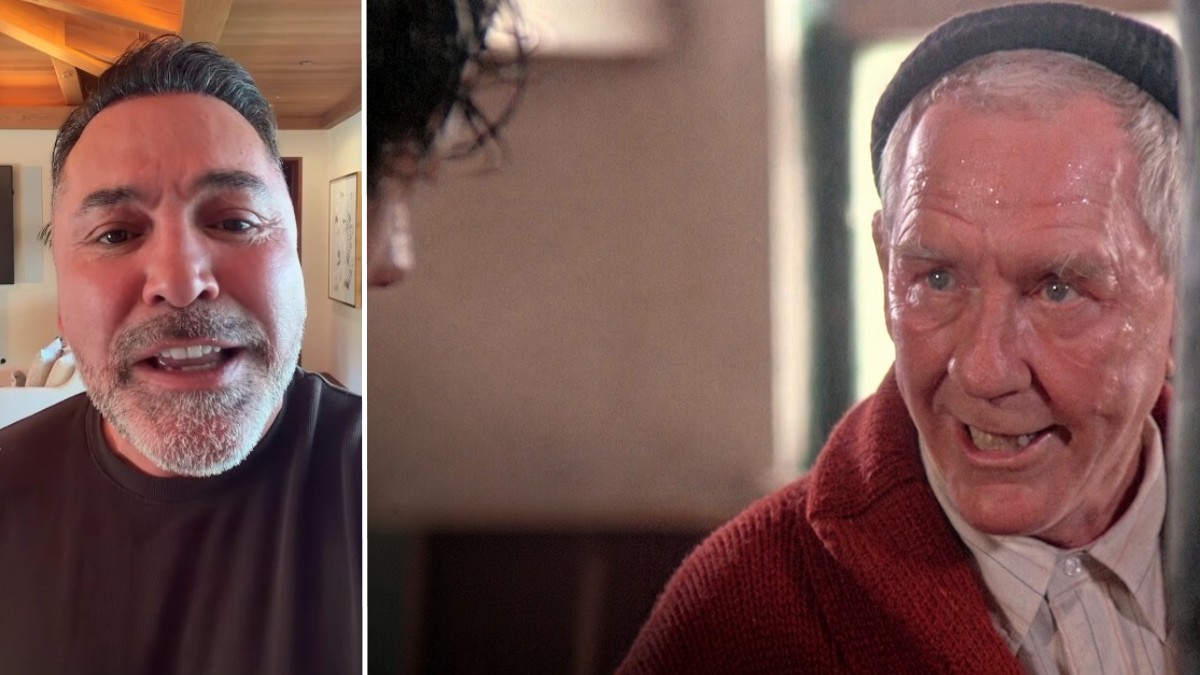
"I was so disciplined on this point that I even had a wet dream one morning while I was training for Pernell Whitaker," he recalled.
The level of singular focus required to reach such an intense psychological and physiological state highlights the immense pressure and dedication demanded at boxing’s championship level. That meticulous preparation ultimately translated under the bright lights on April 12, 1997, when De La Hoya squared off against Whitaker inside the ring. In a fiercely contested and highly tactical battle, De La Hoya defeated Whitaker by unanimous decision, capturing the WBC welterweight championship in the process—a historic result that, despite remaining a point of debate among purists and observers, permanently cemented his status as a transcendent superstar.
However, the former multi-division champion was quick to point out that abstaining from intimacy was merely one component of a much larger, all-consuming lifestyle required to achieve greatness at the highest level of the sport. Total athletic success, in his view, demanded an uncompromising sacrifice of personal comforts and distractions.
"You have to train hard, focus on your craft, and say no to the punani," he advised aspiring fighters looking to replicate his storied success.
Going further, De La Hoya warned modern athletes against the subtle distractions that can infiltrate a training camp through contemporary communication technology, emphasizing that mental focus is just as fragile as physical stamina. He strongly advised fighters against even answering phone calls, text messages, or digital communications from romantic interests while deep in camp preparations.
"You eat, sleep, and breathe boxing because you’re about to go to war," he explained, framing the months leading up to a bout as an uncompromising battle for survival and supremacy.
The Scientific Reality Behind Mickey’s Warning
Despite De La Hoya’s unwavering personal conviction and the long-standing traditions passed down through generations of trainers, the broader boxing community has never reached a universal consensus on the matter. Fighters, sports scientists, and conditioning coaches have offered wildly differing accounts and studies over the years regarding the physiological effects of pre-fight abstinence.
Modern sports science generally suggests that feeling temporarily fatigued or relaxed after sexual activity is not inherently equivalent to a permanent or measurable loss of muscular strength, cardiovascular endurance, or stamina during a grueling twelve-round championship fight. While some athletes experience a drop in immediate aggressiveness or mental edge, others find that intimacy serves as a useful stress reliever, helping to lower anxiety and promote better sleep patterns ahead of a high-pressure athletic competition.
Consequently, different champions have historically approached the issue in contrasting ways. Some fighters prefer strict, long-term abstinence spanning the entirety of a grueling eight-to-ten-week training camp. Others see absolutely no physiological reason to impose such rigid restrictions on themselves, viewing their normal routines as beneficial for psychological well-being. Meanwhile, a third group opts for a compromise, choosing to abstain only during the final week or the days immediately preceding the opening bell to satisfy their personal superstitions and mental preparation rituals.
Ultimately, there is no single rule or scientific formula that suits every individual fighter. De La Hoya’s personal experiences and strict camp rules do not definitively establish that Mickey Goldmill’s famous cinematic warning applies universally to all athletes across the sport.
What the champion’s testimony truly highlights is the profound psychological power of belief and routine in elite sports. It demonstrates how a legendary world champion took an old-school boxing myth seriously enough to incorporate it into the foundation of some of the biggest and most defining preparations of his career.
Mickey Goldmill may have been a fictional character crafted for a Hollywood script, but for Oscar De La Hoya, the wisdom behind the corner man’s rugged advice was real enough to help forge a Hall of Fame legacy inside the ring.