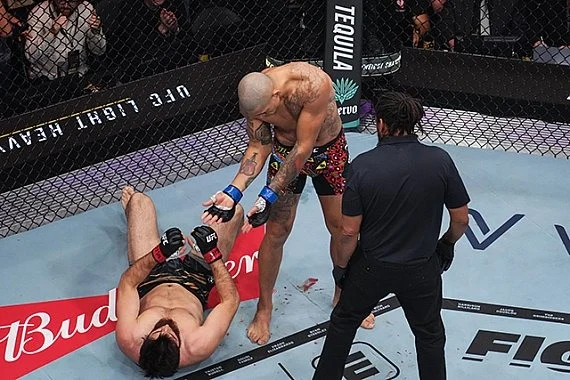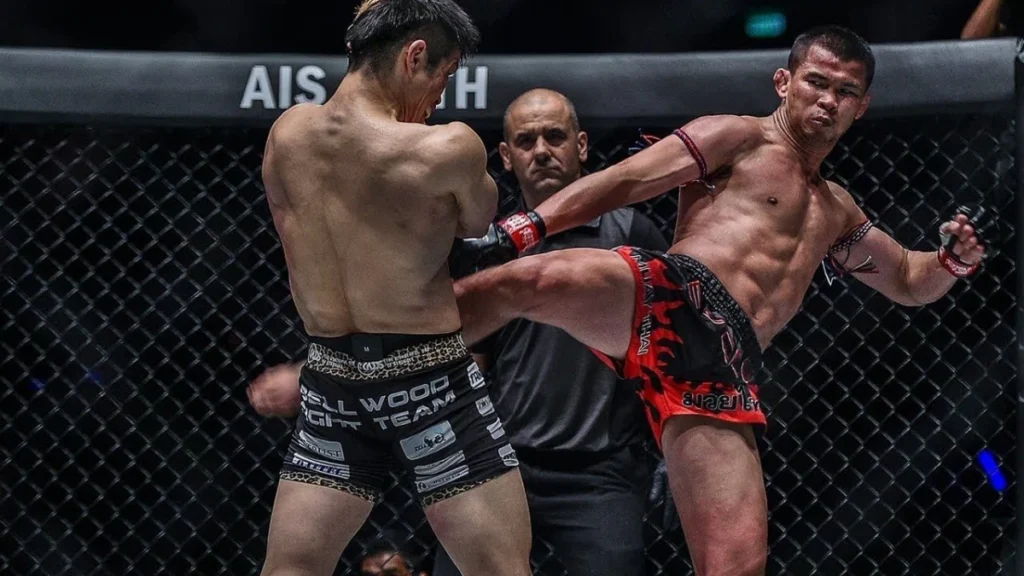



Martial arts have long commanded a distinct reputation centered on physical conditioning, rigorous self-defense proficiency, and combat athletics. From high-intensity combat sports like Mixed Martial Arts (MMA) and Muay Thai to deeply meditative and disciplined traditions such as Tai Chi and Aikido, these practices are traditionally viewed through a lens of physical capability. However, a growing body of research and extensive anecdotal evidence from practitioners worldwide reveals that the true value of martial arts extends far beyond physical fitness. Increasingly, experts are recognizing the profound impact that martial arts training has on mental health and emotional wellbeing, offering a comprehensive, holistic approach to overall human health.
Over the past few decades, scientific inquiry into alternative therapeutic and fitness modalities has highlighted the psychological benefits embedded within these ancient and modern fighting disciplines. Far from being merely arenas for physical confrontation, training facilities, dojos, and gyms are functioning more broadly as spaces for psychological resilience, stress reduction, and emotional stabilization. As modern society grapples with rising rates of chronic stress, anxiety, and social isolation, the structured environment of martial arts is emerging as an increasingly valuable tool for psychological health.
Stress Reduction and Relaxation
One of the most immediate and tangible psychological benefits reported by practitioners is a significant reduction in daily stress and an enhanced capacity for relaxation. The architecture of martial arts training inherently incorporates intentional breathing techniques, mindfulness, and rigorous mental focus. Whether an individual is executing the sharp, disciplined linear movements of Karate or flowing through the deliberate, meditative forms of Tai Chi, the practice demands complete presence in the present moment. This absolute requirement for mental engagement forces practitioners to mentally disengage from external stressors, professional anxieties, and personal pressures.
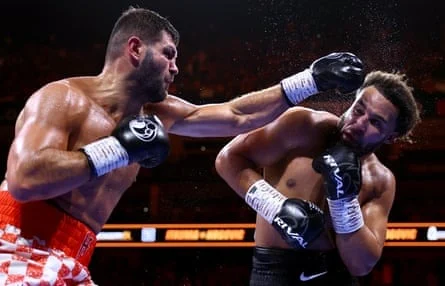
From a physiological perspective, the rigorous physical exertion inherent in martial arts acts as a powerful catalyst for the release of endorphins. Often referred to by neuroscientists as the body’s natural "feel-good" chemicals, endorphins play a critical role in alleviating stress, elevating mood, and inducing a state of physical and mental relaxation after a demanding training session. Furthermore, disciplines like boxing, kickboxing, and MMA provide a structured, safe, and regulated outlet for pent-up frustration and aggressive energy. By striking heavy bags, working with focus mitts, or engaging in supervised sparring, practitioners can safely release negative energy within a controlled and positive environment.
This deep psychological focus frequently induces what sports psychologists term a "flow state"—an immersive mental condition where individuals become completely absorbed in the activity at hand, losing all track of time and external pressures. This state of intense cognitive absorption shares remarkable neurological similarities with the effects of traditional meditation, allowing individuals to successfully break free from the persistent loop of daily anxieties.
Regular engagement in these practices also yields measurable physiological changes, including a sustained reduction in levels of cortisol, the primary stress hormone. Over time, lower baseline cortisol levels contribute to long-term improvements in mental health and emotional stability. For individuals navigating chronic stress or generalized anxiety disorders, this therapeutic mechanism offers a practical, non-pharmaceutical avenue toward relief.
Boosting Confidence and Self-Esteem
Beyond mere stress relief, martial arts training acts as a transformative catalyst for building self-confidence and bolstering self-esteem. As practitioners advance through the hierarchical belt systems or technical ranks, they experience a profound sense of accomplishment rooted directly in hard work: mastering complex techniques, earning new belt levels, or achieving personal physical milestones. This steady, incremental progression naturally cultivates a growth mindset—the fundamental psychological belief that dedication, persistence, and continuous effort lead to meaningful personal improvement.
For children, adolescents, and adults alike, martial arts provide a unique environment where individuals can build confidence in their personal capabilities entirely free from the intense pressures typically found in traditional team sports. While conventional competitive sports often place an overwhelming emphasis on external validation, such as winning or losing a match, martial arts consistently prioritize internal development, personal discipline, and individual self-improvement. This inward-facing focus encourages practitioners to establish and achieve their own personalized benchmarks, thereby cultivating a durable sense of self-worth.
The acquisition of practical self-defense skills further enhances this psychological empowerment. Knowing how to physically protect oneself in potentially dangerous scenarios instills a heightened sense of personal security and autonomy in daily life. This foundational feeling of safety directly translates into improved mental wellbeing, particularly for individuals who have navigated trauma or who may experience vulnerability in certain social environments.
Simultaneously, the training process systematically fosters resilience and perseverance. The journey of a martial artist invariably involves frequent setbacks—whether it entails getting momentarily knocked down during sparring, failing to execute a kick correctly, or struggling persistently with a complex grappling transition. Over time, practitioners are conditioned to reframe these failures not as evidence of personal inadequacy, but as vital opportunities for growth. This cultivated resilience effortlessly transcends the boundaries of the training hall, reinforcing general mental fortitude across all areas of life.
Emotional Regulation and Anger Management
The rigorous demands of martial arts training require practitioners to maintain emotional equilibrium and absolute composure under extreme pressure, a dynamic that directly enhances emotional regulation. In high-stakes scenarios such as live sparring or defensive grappling, losing control of one’s emotions invariably leads to tactical errors, compromised positioning, or potential physical injury. Consequently, the environment mandates that martial artists learn to manage volatile emotions such as anger, fear, and frustration constructively and instantly.
Martial arts disciplines that rely heavily on grappling and close-quarters combat, such as Brazilian Jiu-Jitsu (BJJ) and Judo, explicitly demand extraordinary levels of patience and emotional composure. In Brazilian Jiu-Jitsu, for example, practitioners frequently find themselves trapped in deeply uncomfortable, restrictive positions that can easily trigger claustrophobia, panic, or aggressive frustration. Through consistent exposure and guided practice, however, martial artists learn to quiet their physiological panic response, think strategically, and systematically work their way through difficult situations without emotional outbursts. The ability to remain cool under pressure is a skill that proves invaluable both inside the gym and out in the world.
Furthermore, these disciplines offer a healthy, structured behavioral outlet for individuals who struggle with clinical or situational anger management. Rather than suppressing, ignoring, or inappropriately externalizing anger, martial arts allow practitioners to channel these intense emotions into high-energy, focused physical output. Striking pads, drilling combinations on heavy bags, or participating in regulated sparring allows individuals to safely discharge aggression without causing harm to themselves or others.
This powerful synthesis of emotional regulation and controlled physical expression equips practitioners with superior coping mechanisms for processing anger, anxiety, and daily frustrations. For individuals historically challenged by emotional instability or chronic anger issues, the therapeutic impact of this structured environment can be genuinely life-changing.
Social Connection and Community Support
Despite the often individual nature of skill progression, martial arts communities play a vital role in fostering deep social connections and robust interpersonal support networks. Many martial arts academies and gyms operate with a profound sense of camaraderie, where members actively support one another through shared struggles toward self-improvement. This essential social dimension acts as a powerful antidote to modern isolation and loneliness, which are widely recognized as primary contributing factors to mental health crises such as depression.
Training within a martial facility creates a shared crucible where individuals bond naturally over mutual goals, physical challenges, and collective achievements. Whether drilling techniques alongside a partner, exchanging rounds in sparring, or helping a newer member master a basic movement, these interpersonal interactions build deep reserves of trust and mutual respect. Over time, the gym environment frequently evolves into a second home for practitioners, functioning as a physically and psychologically safe space for personal growth.
Moreover, the foundational philosophies of most traditional and modern martial arts place heavy emphasis on core values such as respect, humility, and discipline. These shared tenets cultivate an inclusive, positive culture that encourages mutual understanding among participants of varied ages, backgrounds, and skill levels. For individuals who struggle with social anxiety, alienation, or a lack of belonging, martial arts offer a structured framework where they are invariably accepted and supported.
Mind-Body Connection and Mental Clarity
Another foundational pillar of martial arts practice is the sustained enhancement of mind-body awareness and sharpened mental clarity. Many traditional disciplines, including Tai Chi, Aikido, and various styles of Kung Fu, focus intensively on the precise synchronization of breath, physical movement, and internal mental focus. This integrated methodology trains practitioners to establish a seamless connection between their physical actions and their internal psychological state.
Controlled breathing techniques, which are woven into the fabric of virtually all martial arts, play a pivotal role in down-regulating the human nervous system and clearing cognitive fog. Disciplines like Tai Chi utilize slow, deliberate physical movements paired with deep, measured breathing to actively modulate the body’s physiological stress response, generating a profound sense of inner calm and sustained mental clarity.
Simultaneously, the sheer complexity of martial arts requires uninterrupted concentration and mindfulness throughout every session. Whether an individual is executing a rapid sequence of striking combinations or reading and reacting to an opponent’s subtle shifts in weight and posture, staying fully present is non-negotiable. This high degree of cognitive engagement promotes lasting mental sharpness, focus, and a quieted mind. By integrating these physical and mental disciplines into a routine, individuals achieve a sustainable balance between mind and body, securing long-lasting benefits for their overall psychological health.