
Boxer Ramla Ali sweeps into the green room of a West End cinema in central London, making an immediate impression in a striking dress featuring a massive skirt composed of cascading black feathers. The showstopping garment matches the magnitude of the occasion. Moments earlier, Ali stood before a filled auditorium to introduce the premiere of a new feature film dramatizing her extraordinary life. As she settles backstage, her mobile phone lights up with incoming messages from high-profile figures in attendance, including adventurer Bear Grylls and Nobel laureate Malala Yousafzai.
Yet amidst the glamorous surroundings and celebrity congratulations, the person whose reaction matters most to Ali sits quietly nearby: her mother. Attending the screening for the fourth time, her mother’s presence serves as an emotional anchor for the entire project. When asked how her mother is responding to seeing her family’s most painful memories and triumphs projected onto the silver screen, Ali speaks in a soft, reflective tone, confirming that she loves it. The film, titled In the Shadows, is directed by Anthony Wonke and stars Top Boy actor Jasmine Jobson as Ali. It offers a cinematic account of Ali’s grueling, triumphant journey from a war-torn homeland to competing at the 2021 Olympic Games in Tokyo.
The path that brought Ali to the upper echelons of international sport is defined by immense personal hardship and tragedy. Born in Somalia during a period of intense civil turmoil, Ali was still an infant when horrific violence struck her immediate family. Her older brother, Abdulkadir, was killed in a fatal explosion while playing outside their home. Faced with unthinkable grief and surrounding devastation, her family made the life-altering decision to flee the country. They embarked on a perilous sea crossing by boat to Kenya, enduring severe hardship before eventually securing sanctuary in the United Kingdom as refugees.
Rebuilding their lives in East London, Ali faced new social hurdles as a young newcomer. At school, she endured severe bullying from peers regarding her body weight and appearance. Seeking a constructive outlet and a way to build confidence, she decided to sign up for a local boxercise class at her neighborhood gym. What began as a fitness routine quickly transformed into a genuine passion for competitive boxing. However, pursuing the sport required a high degree of secrecy. As a young Muslim woman, entering a combat sport carried cultural taboos within her community. More importantly, Ali knew that her mother—having moved heaven and earth to rescue her surviving children from violent conflict—would be utterly devastated to see her daughter voluntarily stepping into harm’s way inside a boxing ring. For years, Ali kept her training completely hidden from her family. Today, that dynamic has transformed entirely, with her mother being the very first person Ali calls immediately after every fight.

The journey to bring Ali’s story to the screen began eight years ago, originating from circumstances of stark financial urgency. As Ali discusses the film’s origin, her husband, Richard Moore, steps into the green room. Moore, who previously served as Ali’s boxing coach and now works as an executive producer on the film, recalls that when they first began pitching the movie project in 2018, their primary motivation was survival. The couple was virtually broke, reduced to their final hundred pounds with no clear financial security in sight. They relied heavily on the generosity of close friends who offered them temporary shelter, including actor Idris Elba and his wife, Sabrina, who opened the doors to their home. Ali laughs softly as she recalls how an unexpected bout of COVID-19 forced them to extend their stay at the Elba residence far longer than originally anticipated, fondly referring to the couple as their saviours during an extremely precarious time.
Despite the pressing need to secure a livelihood, Ali admits she harbored deep reservations about transforming her life into a feature film. The process required an unprecedented level of emotional vulnerability, forcing her to sit down with a screenwriter to detail intimate aspects of her life that she had never previously disclosed publicly. Furthermore, the prospect of reopening severe family trauma weighed heavily on her mind. She constantly questioned how revisiting these painful events would affect her mother, recognizing that while the narrative centered on her own accomplishments, it was fundamentally her mother’s story as well. When Ali initially broached the subject with her relatives, none of them were comfortable with the idea of a movie.
Unexpectedly, it was her mother who ultimately came around first, granting her blessing and taking an active, opinionated interest in how the narrative was constructed. Her mother was particularly adamant that the film include the tragic moment when Abdulkadir lost his life, insisting that his story could not be erased or softened. Moore views her mother’s insistence as a powerful act of remembrance—a way to preserve the memory of her lost son and ensure his untimely death carried a broader significance.
Contemplating the tragedy, Ali pauses as a solemn silence falls over the room. She acknowledges that her brother’s death triggered a complex ripple effect that fundamentally altered the trajectory of her entire family. She reflects that had Abdulkadir not been killed, her family would never have fled Somalia for the United Kingdom. She would never have taken up the sport of boxing, would never have met Moore, and her life would have unfolded in an entirely different direction.
While the film addresses refugee experiences, Ali emphasizes that In the Shadows was not crafted as a political statement on immigration. Instead, she views it as a necessary, humanizing counter-narrative to contemporary political discourse and sensationalized headlines surrounding migrants arriving on boats. She observes that immigration has been heavily weaponized for political gain, driving national division. She notes that uplifting, constructive stories about migrants rarely dominate newspaper headlines, despite being far more representative of the millions who arrive, build families, establish careers, and contribute meaningfully to society. For Ali, the core objective of the film is simple: if audiences leave the theater seeing a real human being rather than a dehumanized media headline, the project has achieved its purpose.
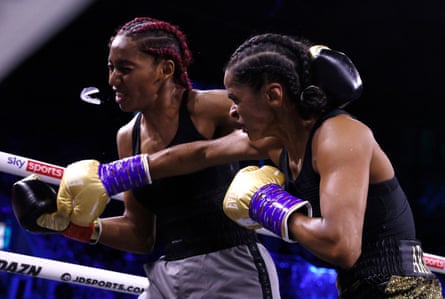
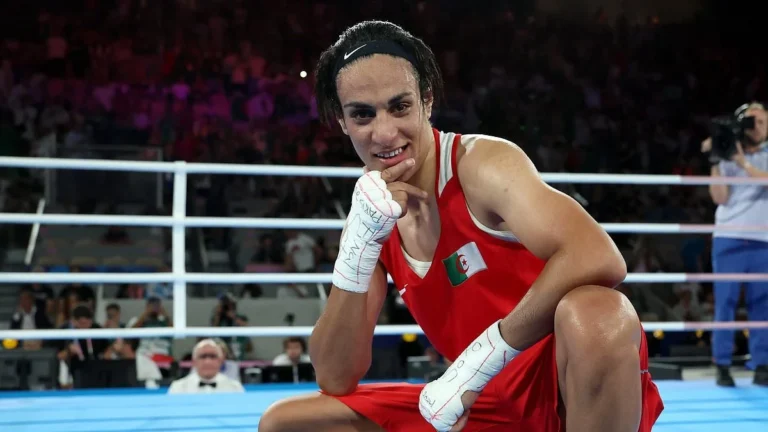
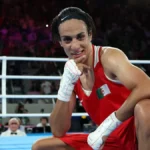
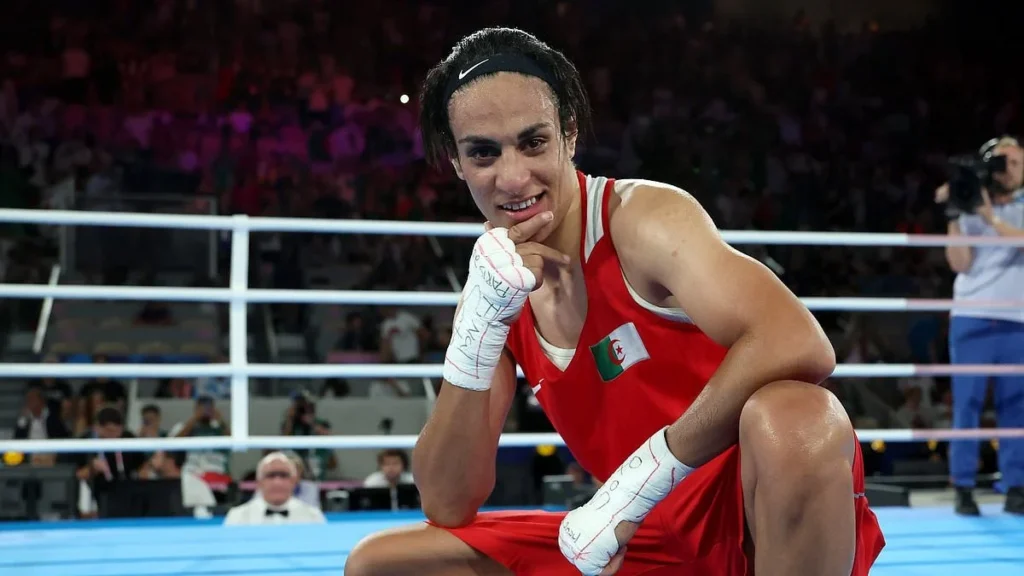
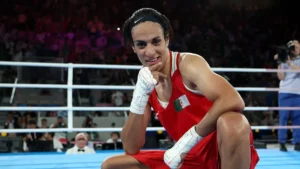
Ali stands as living proof of what refugee families can accomplish when given safety and opportunity. In 2015, she made athletic history by becoming the first Muslim woman to win an English amateur boxing title. Six years later, she reached the pinnacle of amateur sport at the Tokyo Olympics, making history once again as the first boxer ever to represent Somalia on the Olympic stage. Her accomplishments extend far beyond the athletic ring; she has established a successful modeling career, gracing the cover of British Vogue for a landmark issue guest-edited by the Duchess of Sussex. In 2018, she founded the Sisters Club, a charitable initiative that provides free boxing and self-defense classes to vulnerable women. She also serves internationally as an ambassador for UNICEF.
Her commitment to In the Shadows extended far beyond merely licensing her life story. Determined to ensure authenticity, Ali immersed herself in every phase of production, reading every script revision and maintaining a constant presence on set throughout filming. Rejecting the notion of being an executive producer in name only, she actively earned her title, even stepping into the ring as a body double to execute complex boxing sequences during filming.
Looking toward the future, Ali has begun actively planning for life beyond competitive sports. Recognizing that an athletic career is finite, she has already begun expanding her creative pursuits into filmmaking and acting. Alongside her husband, she co-wrote and directed a comedy film titled Not Like Us. Drawing comparisons between elite sport and cinematic production, Ali notes that both fields demand absolute dedication; the rigorous preparation invested in training reveals itself in the ring just as the effort put into filmmaking manifests on the screen. Looking forward, she envisions telling stories that focus squarely on the nuanced experiences of Black British communities, aiming to bridge a representation gap she observes in comparison to American cinema.
Across town at the BFI Southbank on a bright afternoon, actor Jasmine Jobson reflects on her experience stepping into Ali’s shoes for the film. Jobson, who took over the lead role after actor Letitia Wright was previously attached to the project, arrives alongside a dedicated support team consisting of a publicist, makeup artist, and hairdresser. Striding into the room in high heels, she emphasizes the tight-knit bond she shares with her team, noting that every member is essential to her process.
Despite her athletic appearance, Jobson clarifies that she has not maintained a regular boxing routine since filming wrapped. Instead, her current physical focus centers on undergoing physiotherapy for a longstanding shoulder injury sustained years ago during her studies to become a personal trainer, when she overexerted herself on a lat-pull machine.
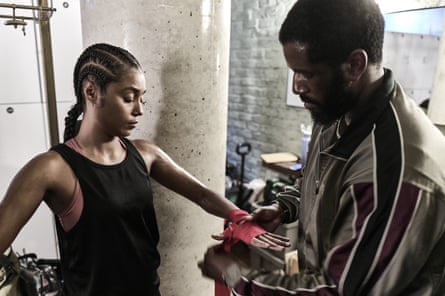
When approached for In the Shadows, Jobson had to adapt remarkably fast. Although she had practiced karate and kickboxing during her youth, she was given an extremely tight two-week preparation window to physically transform into an elite boxing champion. She threw herself into intense eight-hour daily training sessions. While she thoroughly enjoyed mastering the sport, she notes with a laugh that she drew a firm line at taking direct strikes to her face, protecting what she humorously refers to as her primary professional asset.
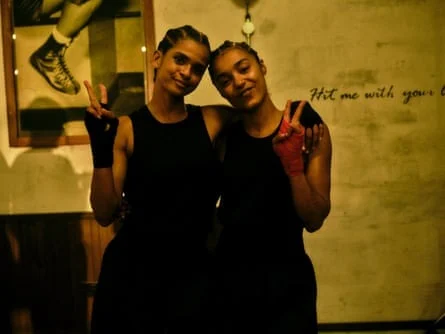
Jobson’s deep emotional connection to the project solidified during an initial coffee meeting with Ali. The two bonded quickly over shared experiences of overcoming adversity. Jobson expressed immense admiration for Ali’s ability to transcend severe hardship, achieve international success, and reshape societal perceptions. She emphasizes that Ali’s journey serves as an inspiring blueprint for anyone pursuing a dream despite facing systemic barriers or societal skepticism.
When asked if playing a real, living person was intimidating, Jobson responds candidly, explaining that she felt no fear because her approach to acting always involves weaving elements of her own identity into her roles. Like Ali, Jobson’s journey to success was forged through significant childhood hardship. While her parents initially encouraged her artistic talents, her family faced difficulties during her secondary school years that led to social services intervention. Jobson initially moved in with her grandmother before making the mature decision at age 14 to place herself into the foster care system. She describes this period as a necessary step to distance herself from negative influences, clear her mind, and reclaim control over her own destiny.
A pivotal turn occurred when a family friend encouraged her to audition for The Big House, a North London theater company dedicated to supporting young people emerging from the care system. It was through this organization that Jobson secured professional talent representation, launching her acting career.
Her dedication to capturing Ali’s essence extended to learning dialogue in Somali for the film. Recalling a specific line from her performance, Jobson translates its meaning: a simple, powerful plea expressing the desire to make one’s family proud. For Jobson, that sentiment lies at the heart of her own life’s work. Recognizing the profound parallels between her path and Ali’s—two women who navigated adversity to realize ambitious dreams—Jobson takes pride in delivering a performance that remains authentically faithful to Ramla Ali’s life.