

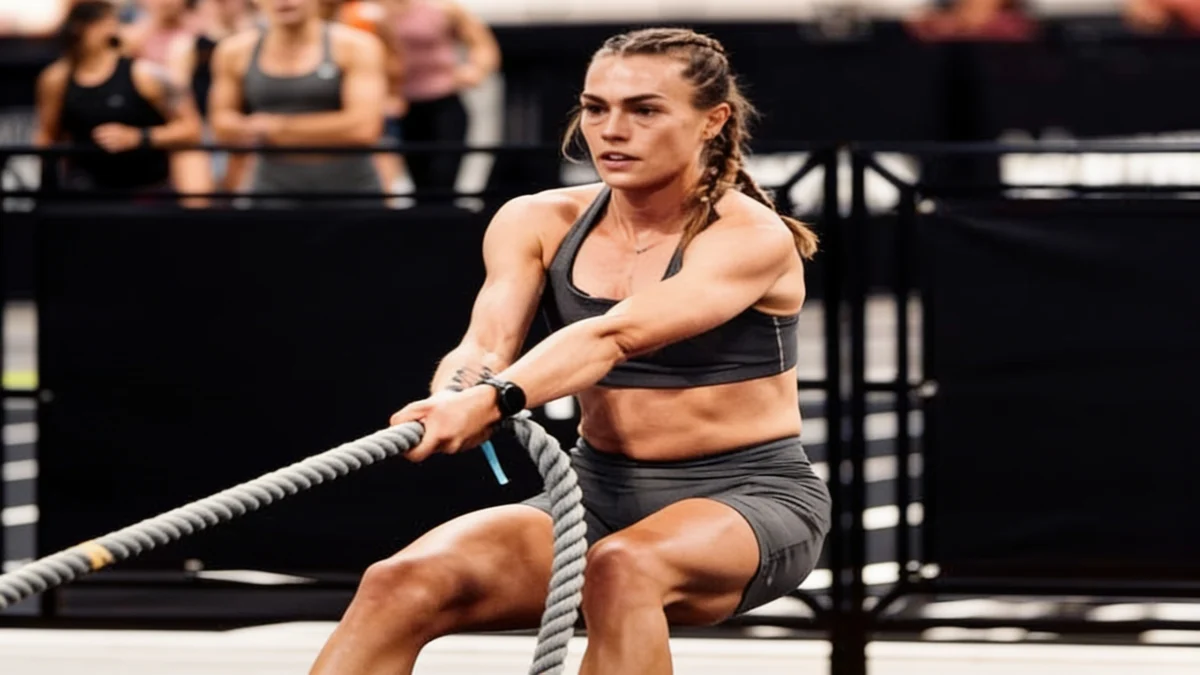
Colleen Quigley has added a fresh line to an athletic resume already stacked with elite Olympic and NCAA hardware. According to reports from The Running Week, the former steeplechase standout and Olympian claimed victory in the Open women’s division at Denver’s very first Hyrox event, showcasing a seamless transition from traditional track and field to the fast-growing sport of hybrid fitness racing.
Quigley’s elite track pedigree is well-documented, but her triumphant debut in Denver raises a compelling question within the endurance community: Can a world-class running background truly translate to a sport built around weighted sleds, sandbags, and wall balls? The answer, at least in Quigley’s case, appears to be a resounding yes. Her dominant performance offers a fascinating look into how traditional endurance athletes are reshaping the landscape of modern fitness competitions.
The milestone event took place at the National Western Center, marking Denver’s inaugural hosting duties for the international fitness race. Over the course of four intense days, thousands of athletes converged on the venue to test their physical limits. While Quigley topped the leaderboard in the Open women’s field, Rachael Wade secured the Pro women’s title. Fitness racing organizers note that the Open category serves as the main age-group division and utilizes lighter working weights, whereas the Pro tier represents the elite competitive class featuring significantly heavier loads. Because of these distinct weight requirements, the two divisional crowns are not directly comparable. Nevertheless, claiming the top spot in a division that draws a massive, highly competitive field remains a formidable achievement.
Quigley’s extensive athletic background goes a long way toward explaining her success. Her athletic highlights include competing on the world’s biggest stages, where she has routinely tested her limits against the planet’s best middle-distance and steeplechase runners. The steeplechase event itself demands far more than raw speed from its competitors. Negotiating barriers and navigating water jumps forces runners to hurdle obstacles, absorb heavy impacts upon landing, and immediately resume their surging pace. This unique combination of explosive power, agility, and sustained aerobic capacity provides a natural skill set that suits a racing format defined by constant physical and mental interruptions.
For those unfamiliar with the format, a Hyrox race follows an identical structural blueprint no matter where it is held around the world. Founded in Hamburg, Germany, in 2017, the sport combines endurance running with functional strength stations. Athletes must complete eight distinct segments, each beginning with a one-kilometer run and followed immediately by a functional fitness task.
The sequence of the eight stations challenges every major muscle group in the body. Competitors tackle the SkiErg for upper-body pulling power, followed by a heavy Sled Push and a Sled Pull that test leg drive and core stability. Next comes the Burpee Broad Jump to elevate the heart rate, followed by the Rowing machine for full-body aerobic engagement. The latter half of the race features Farmers Carries with heavy kettlebells or dumbbells, Sandbag Lunges that test lower-body endurance, and finally, a grueling set of Wall Balls to finish the grueling test. When totaled, the running distance comes to roughly eight kilometers. Combined with the demanding stations, the overall effort becomes a supreme test of both cardiovascular engine and muscular endurance.
Elite track athletes like Quigley hold a distinct physiological edge in this environment. Top-tier runners typically possess exceptional VO2 max levels and superb running economy. Because a significant portion of a Hyrox race happens strictly on foot, that massive aerobic base pays dividends during every single kilometer of the running segments. Furthermore, superior aerobic fitness allows athletes to recover more efficiently between the demanding functional stations, enabling their heart rates to drop faster and their overall pacing to remain steadier throughout the competition.
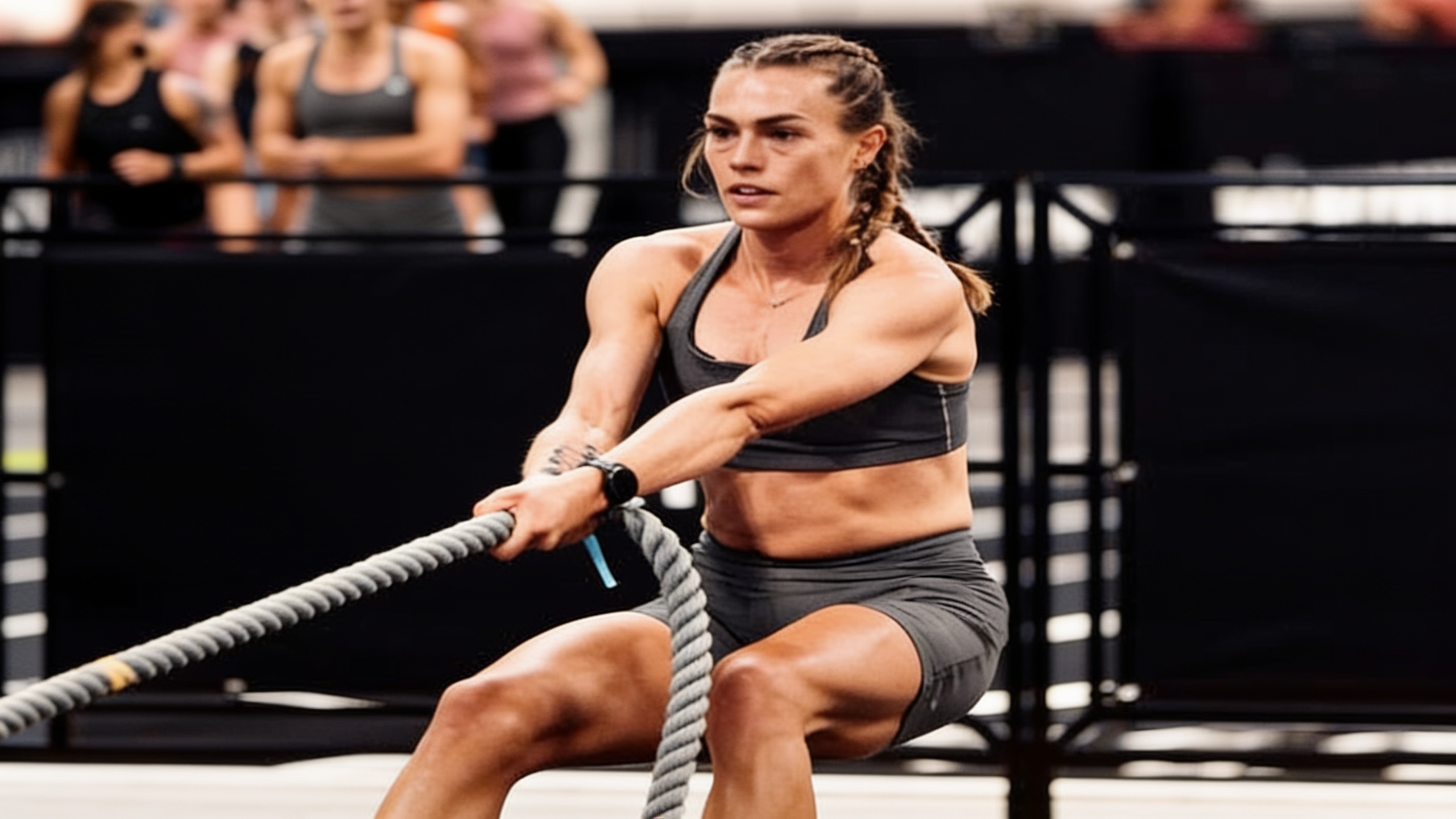
At the same time, pure running talent alone is not enough to carry an athlete across the finish line. Heavy sled work and high-repetition wall balls expose physical weak spots very quickly, which is precisely what makes Quigley’s victory in Denver all the more impressive. Her ability to handle the strength and power components alongside her natural running prowess highlights a well-rounded athletic transition.
Quigley’s path from elite track star to competitive triathlete, and now to fitness racing, mirrors a broader, increasingly common pattern among post-peak professional athletes. Rather than walking away from competitive sports entirely when their primary track or field careers wind down, many accomplished competitors are channeling their hard-earned endurance into newer, fast-growing sports. These fresh formats offer entirely new goals to chase while rewarding years of dedicated aerobic investment in ways that traditional retirement from professional racing never could.
Denver’s successful debut reflects the broader, rapid expansion of Hyrox across North America and around the globe. Tens of thousands of competitors now regularly participate in events hosted across North America, Europe, and international markets. Both traditional endurance runners and functional fitness athletes continue to flock to the sport because it uniquely rewards a combination of aerobic efficiency and functional strength. Whether hybrid fitness racing eventually cements itself as a permanent mainstream endurance staple remains an open question, but the surging popularity and high-profile victories suggest the format is here to stay.
For everyday athletes looking to draw inspiration from the elite ranks, the success of runners in Hyrox offers a clear template. While everyday fitness enthusiasts may not possess an Olympic resume or a decade of professional training history, the underlying principles of blending cardiovascular endurance with functional strength training remain accessible to all. As events continue to expand and draw diverse fields of competitors, athletes from all backgrounds are finding new ways to test their limits on the competitive stage.