


Martial arts stands as a broad and fascinating field, encompassing a vast array of distinct disciplines, each bearing its own unique history, philosophy, and technical framework. Whether an individual is a seasoned practitioner with years on the mats or a curious beginner taking their very first steps into a dojo, understanding the fundamental types of martial arts can serve as a vital compass. This knowledge helps practitioners choose the specific style that best aligns with their personal goals, whether those objectives center on physical conditioning, competitive sport, or practical self-defense.
From striking-based arts like boxing and Muay Thai to grappling-focused systems such as Brazilian Jiu-Jitsu and Judo, every martial art offers something distinctive to its students. Navigating this landscape requires a closer look at the primary categories of martial arts and the prominent examples that define each tradition.
Striking Martial Arts
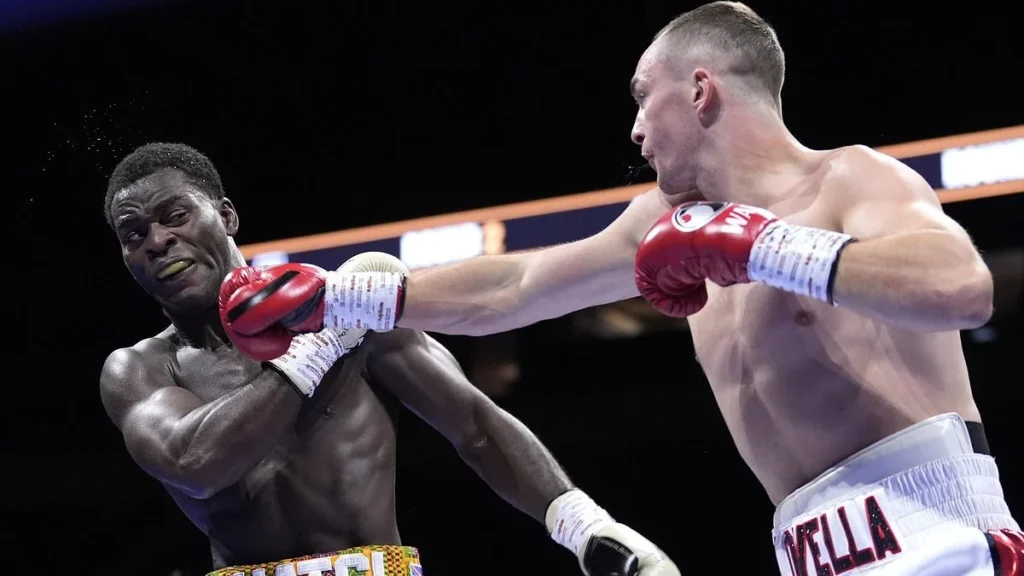
Striking martial arts focus heavily on the use of punches, kicks, elbows, knees, and various other anatomical weapons to deliver powerful offensive attacks to an opponent. These disciplines place a profound emphasis on distance management, split-second timing, and explosive speed. Practitioners of these styles frequently engage in stand-up fighting, utilizing footwork and defensive head movement to control the range of engagement.

Popular striking-based martial arts share a common dedication to mastering the mechanics of impact. Whether through the crisp, calculated hand combinations found in Western boxing or the devastating use of eight limbs in Muay Thai, these arts train the human body to function as a formidable striking instrument. Each of these disciplines offers its own distinct interpretation of striking mechanics, yet they all ultimately share the same fundamental goal: to incapacitate or overwhelm an opponent using precise and forceful physical strikes.
Grappling Martial Arts
In stark contrast to striking-based arts, grappling martial arts shift the paradigm of combat away from distance and impact toward close-range interaction. These disciplines place an intense emphasis on throws, rapid takedowns, intricate joint locks, and comprehensive ground control. Rather than relying on concussive blows, the primary objective in grappling is to subdue an adversary through superior bodily positioning, leverage, and the application of submission holds.
Prominent examples of grappling arts include disciplines like Judo and Brazilian Jiu-Jitsu. These systems teach invaluable lessons in control, extreme patience, and meticulous strategic thinking. Because they require practitioners to operate in direct physical contact with a resisting opponent, grappling arts are frequently favored by individuals who prefer close-contact combat scenarios and want to understand how to neutralize larger or stronger opponents through technique and leverage rather than raw power.

Hybrid Martial Arts
Hybrid martial arts bridge the traditional divide by combining elements from both striking and grappling disciplines. This synthesis makes hybrid systems exceptionally versatile and effective across a wide variety of combat scenarios. These types of martial arts have achieved immense popularity in modern martial arts competitions, most notably in mixed martial arts organizations like the Ultimate Fighting Championship, where athletes must be thoroughly well-rounded across all phases of combat to achieve success at the elite level.
The modern combat athlete cannot rely solely on fists or solely on ground submissions. Hybrid martial arts offer practitioners the critical ability to adapt fluidly to any given situation, providing a seamless balance between standing percussion and ground-based control for maximum tactical effectiveness. This well-rounded approach ensures that fighters are prepared whether a confrontation remains standing or goes to the canvas.
Traditional Martial Arts
Traditional martial arts carry forward lineages that have been practiced, refined, and passed down for centuries. Beyond physical techniques, these styles typically incorporate a robust philosophical or spiritual component that shapes the character of the practitioner. These types of martial arts frequently function as much more than mere systems of combat; they represent comprehensive ways of life that actively promote deep discipline, enduring respect, and lifelong personal self-improvement.

While these traditional disciplines may not always occupy the same hyper-visible space in modern commercial combat sports as hybrid or striking systems, they hold immense cultural and historical significance. They provide a holistic, measured approach to self-defense and personal development, valuing the internal journey of the practitioner just as much as the external application of the physical techniques.
Choosing the Right Martial Art for You
With such a vast array of martial arts disciplines available across the globe, deciding which specific path to pursue can initially feel daunting. Prospective students must carefully consider what they personally hope to achieve through their training—whether their primary motivation is general physical fitness, practical self-defense capabilities, competitive athletic glory, or deep personal growth.
High-energy, fast-paced training environments found in striking arts like boxing or Muay Thai may naturally suit individuals who thrive on cardiovascular intensity and striking exchanges. Conversely, those who find greater intrigue in the chess match of grappling, leverage, and ground control may discover that Brazilian Jiu-Jitsu or Judo aligns far better with their interests. Meanwhile, practitioners seeking a seamless blend of both worlds often gravitate toward comprehensive hybrid systems. Ultimately, the best martial art is simply the one that resonates with an individual’s personal goals and maintains their long-term motivation.

Understanding the broad spectrum of martial arts disciplines serves as the crucial first step toward finding a style that fits an individual’s lifestyle and aspirations. From the dynamic, explosive strikes of Muay Thai to the intricate, tactical ground chess of BJJ and Judo, each martial art delivers a distinct set of physical and mental benefits. By exploring different styles, stepping onto the mats, and observing various classes firsthand, aspiring martial artists can discover the specific discipline that best matches their unique personality and objectives.