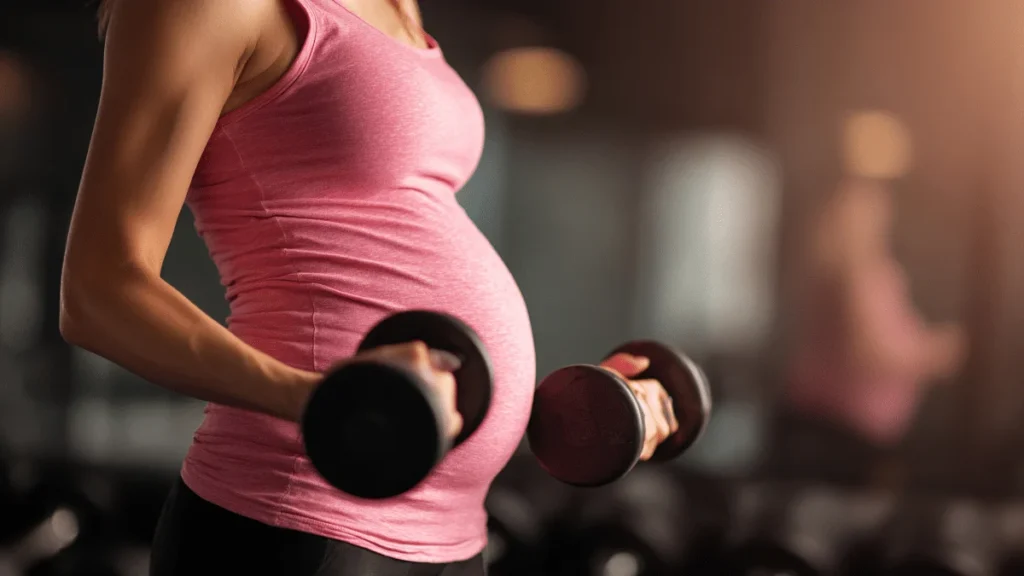


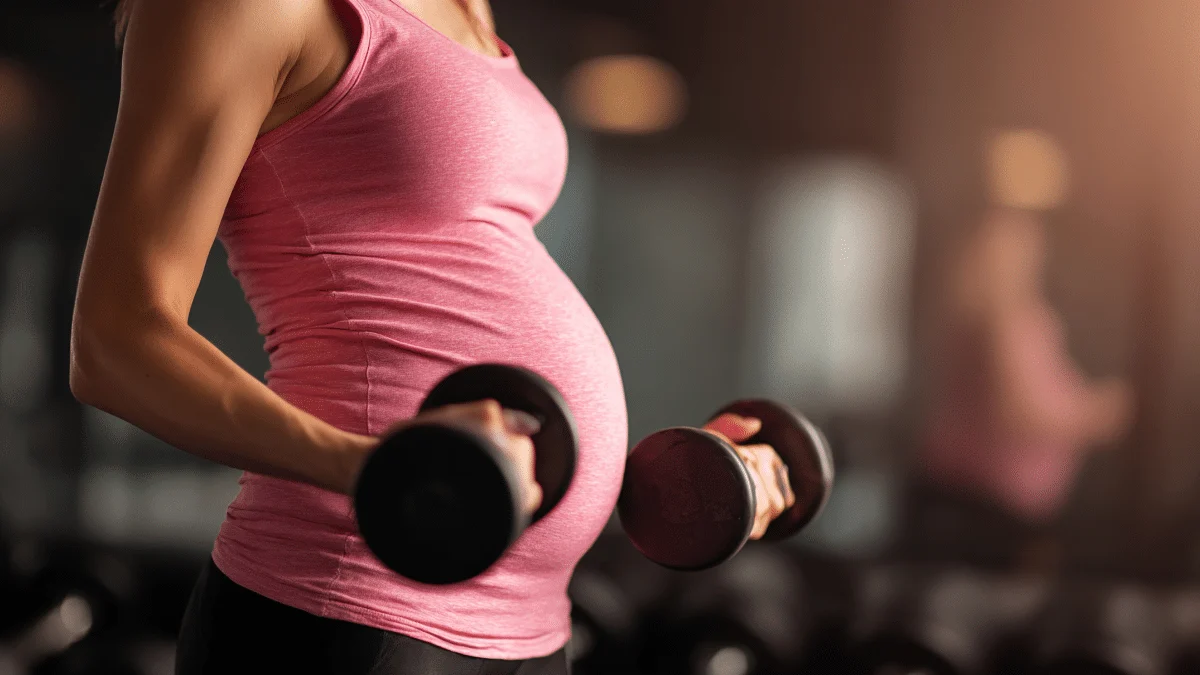
For generations, pregnant individuals have been met with a barrage of warnings regarding physical exertion, with lifting heavy objects frequently cast as a dangerous activity that could inherently harm the developing baby. These cautionary tales, passed down through families and occasionally reinforced by outdated medical advice, have typically relied on little to no actual empirical evidence, leaving many expectant parents to wonder what safe physical activity actually looks like during gestation.
However, a robust and rapidly expanding body of modern sports science and clinical research is painting a profoundly different picture. A recently published systematic review and meta-analysis involving an expansive pool of 50 studies and more than 47,000 participants has closely examined the physiological and psychological effects of resistance training during pregnancy. The findings suggest that far from being a hazard, lifting weights and engaging in structured resistance exercises can deliver sweeping benefits for prenatal health, delivery outcomes, and postpartum recovery.
Led by prominent researchers in the field, including Dr. Christina Prevett and Dr. Margie Davenport, the landmark meta-analysis sought to evaluate how resistance training impacts a wide plethora of variables associated with pregnancy. The scope of the investigation ranged from early prenatal health indicators all the way through to delivery outcomes and the management of challenging pelvic floor symptoms.
Among the most striking revelations of the study is the profound impact resistance training has on common gestational complications. According to the data, engaging in resistance exercise resulted in an approximately 50 percent reduction in the incidence of gestational hypertension, a serious medical condition characterized by high blood pressure during pregnancy that can pave the way for severe complications if left unmanaged. A similarly powerful protective relationship was observed regarding gestational diabetes. The data indicated that resistance training was associated with a roughly 38 percent reduction in the likelihood of developing gestational diabetes, offering a powerful, non-pharmacological tool for managing metabolic health during pregnancy.
Beyond physical metabolic markers, the study also cast light on the vital intersection of physical activity and mental health. Interestingly, resistance training was found to reduce the risk of perinatal mood disturbances by approximately 50 percent during both the prenatal and postpartum periods. This dual impact suggests that maintaining a strength-training routine yields profoundly promising outcomes for both the physical well-being and psychological resilience of expectant parents.
Just as important as the documented benefits are the risks that failed to materialize. Historically, the apprehension surrounding prenatal lifting has been fueled by fears of premature labor, delivery complications, and physical trauma. Yet, the meta-analysis revealed that resistance training did not result in a statistically significant increase in many of the outcomes that people traditionally worry about.
Rates of preterm birth, Caesarean delivery, and perineal injury appeared strikingly similar between study participants who exercised and those who maintained a sedentary lifestyle. The analysis did note some evidence suggesting that individuals who exercised experienced a somewhat longer first stage of labor, but this variation occurred without any meaningful or concerning differences in the second stage of labor.
Furthermore, vital growth and delivery metrics—such as infant birthweight, gestational age at delivery, and the overall likelihood of delivering either a very small or very large baby—were unaffected by resistance training overall. In fact, macrosomia, which is the medical term for having a larger-than-normal birthweight, was actually less common among participants who incorporated exercise into their routines. When researchers examined pelvic floor symptoms, limited data indicated that individuals who either successfully maintained or actively increased their muscular strength throughout their pregnancy reported lower overall rates of troublesome pelvic floor symptoms.
Contextualizing these findings requires a closer look at the methodologies employed in the underlying studies. The resistance training protocols analyzed in the broader meta-analysis consisted primarily of short sessions involving light lifting, frequently combined alongside other conventional forms of physical activity.
However, that gentle approach is not universally representative of every lifting population. A couple of years ago, researchers and sports science platforms covered a separate study documenting the physiological impact of continuing much more intense forms of weightlifting—specifically competitive movements like the snatch and the clean and jerk—as well as high-intensity CrossFit training throughout pregnancy. Remarkably, those investigations yielded similarly promising and safe results. Both the prior study focusing on high-level weightlifters and CrossFit athletes and the present expansive meta-analysis were spearheaded by Dr. Christina Prevett and Dr. Margie Davenport, earning widespread professional recognition for advancing empirical research and public understanding in a historically underserved area of sports medicine.
Complementing these physical and obstetric insights, newer evidence published in 2025 suggests that resistance training may also actively support better day-to-day well-being and quality of life throughout the entire gestational journey. A systematic review of randomized controlled trials published this year reported notable improvements in overall quality of life measures among active participants. These included marked reductions in fatigue, better sleep quality, fewer bodily aches and pains—particularly the frustrating low back and pelvic discomfort that so often characterizes the second and third trimesters—and superior physical functioning overall.
When taken as a comprehensive whole, the current scientific literature suggests that lifting weights and engaging in resistance training during pregnancy, when appropriately prescribed, scaled, and monitored by qualified healthcare or fitness professionals, is not only entirely safe but represents a net positive for maternal and child health.
As research continues to dismantle lingering myths and fear-mongering surrounding prenatal physical activity, the weekly publications and newsletters from organizations like Stronger By Science continue to feature practical training tips and accessible summaries of the latest scientific literature for athletes and fitness enthusiasts navigating every stage of life.