
In the modern fitness landscape, it is remarkably easy to build a body
that looks strong on paper while remaining fundamentally fragile in everyday life. Standard routines often revolve around forty-five minutes spent moving from one mechanical device to another, executing rigid sets of ten, followed by a brief stint on a treadmill and a hurried stretch if time permits. Years of this isolated training can yield impressive numbers—such as a leg press that doubles an individual’s bodyweight—yet leave that same person incapable of sitting comfortably cross-legged on the floor for five minutes, touching their toes, or maintaining a passive hang from a pull-up bar for even twenty seconds.
This disconnect between isolated gym strength and functional longevity is the central premise of a recent viral video shared by a former professional athlete and multidisciplinary movement coach. Drawing on a career that spans elite gymnastics, weightlifting, CrossFit, bodybuilding, and yoga, the coach delivered a sobering assessment of physical health: if every advanced training skill, routine, and methodology he had accumulated over decades vanished tomorrow, he would rely on just five elemental movements to rebuild his physical capacity from scratch.
According to the coach, these five fundamental movements possess the unique ability to restore nearly everything that modern sedentary living strips away: raw strength, fluid mobility, expansive joint range of motion, nervous system control, and the enduring capacity to descend to the ground and rise back up independently at any stage of life. Significantly, he notes that these movements target physiological qualities that the human body begins losing at an alarming rate during adulthood—often without the individual realizing it until a minor misstep reveals a major deficit. To help individuals identify these hidden vulnerabilities, each movement is paired with a brief diagnostic test designed to expose a person’s weakest physical link in a matter of minutes.
The perspective is forged from hard-earned personal experience. The coach’s own professional athletic career concluded not with a sense of invincibility, but with a battered physical framework that included two frozen shoulders, chronic tendonitis, and slipped discs. It was a body that felt decades older than its chronological years. The realization that conventional training methods had left him structurally vulnerable prompted a complete reassessment of human movement, ultimately leading to the curation of five foundational practices that he credits with his physical rehabilitation.
Why Busy Workouts Can Leave You Fragile
The critique of contemporary fitness culture centers on the prevalence of isolated, linear movements that fail to prepare the human body for the unpredictable demands of daily existence. When training relies entirely on fixed paths and supported seats, stabilizing muscles atrophy, joints lose their natural lubrication, and the nervous system forgets how to coordinate complex, multi-planar tasks.
The physical toll of this approach often remains hidden until midlife or later, manifesting as stiffness when rising from a chair, recurring back discomfort, or a sudden loss of balance. The coach’s rehabilitation journey required stripping away the complexity of modern exercise equipment and returning to the fundamental mechanics of human locomotion. At the heart of this philosophy are five core movement pillars: the deep squat, the hang, balance, spinal articulation, and crawling.
Movement 1: The Deep Squat
The deep squat represents the human body’s original, natural resting position—a posture that has been largely engineered out of modern daily life by the ubiquitous presence of chairs and sofas. The consequences of abandoning this posture are pervasive, leading directly to stiff ankles, closed hips, cranky knees when navigating stairs, and, eventually, a loss of independence when rising from the floor requires external assistance.
The deep squat earns its place as a foundational movement because it simultaneously engages and wakes up multiple major joints, including the hips, ankles, knees, and lower back. To test this capacity, the coach points to a sixty-second benchmark: dropping into the deepest possible squat with the heels firmly on the ground and attempting to maintain the position for one full minute without external support or assistance. Incorporating this shape into daily routines—such as while handling phone calls or reading—can catalyze profound improvements in lower-body mobility that extend far beyond simple hip flexibility.
Movement 2: The Hang
If the deep squat governs the lower body, the hang rules the upper body. In a world where human arms spend the majority of their time resting beside the hips or extended forward toward a keyboard or steering wheel, the upper torso frequently adapts by developing rounded shoulders, weakened grip strength, and painful impingements when reaching for objects overhead.
Grip strength is widely recognized in sports science and gerontology as one of the clearest clinical markers of how well an individual is aging. The coach emphasizes that passive and active hanging allows gravity to naturally lengthen the upper body, open up constricted shoulder capsules, decompress the spinal column, and rebuild forearms and grip endurance simultaneously. During his own recovery from severe shoulder pathologies, including bilateral frozen shoulders, he credited hanging as a primary vehicle for restoring full joint function.
The diagnostic test for upper-body suspension is straightforward: hanging freely from an overhead bar with feet off the ground. A duration of less than thirty seconds signals that upper-body suspension should become an immediate physical priority. Progression along this path moves from foot-assisted hangs to full dead hangs, active engagement with the shoulders pulled down, mixed grips, single-arm holds, and eventually dynamic or weighted variations. When setting up for this practice at home, proper safety protocols are paramount, requiring overhead bars to be securely anchored directly into structural door frames rather than decorative trim.
Movement 3: Balance
While hanging provides vital length and decompression, balance introduces control, which the coach characterizes as the most underrated physical skill in adult fitness. Human balance is a perishable neurological skill that, absent deliberate practice following early adulthood, steadily degrades over time. Frequently, the erosion of this capacity goes unnoticed until it manifests as an embarrassing stumble in one’s thirties or a catastrophic fall in later decades.
Athletic pursuits earlier in life often demand constant, subconscious balance training, but post-athletic retirement requires individuals to cultivate this skill intentionally. The baseline assessment involves standing unassisted on a single leg with eyes focused forward for a full sixty seconds, followed by a repetition with closed eyes, always performed near a stable surface for safety. Extending this concept to the hands—through wall-assisted handstands, crawling holds, and floor-based balance drills—further develops shoulder stability, wrist resilience, and neurological confidence.
Movement 4: The Spine
Modern physical culture frequently emphasizes a rigid, braced spine that moves exclusively as a single, stiff block, discouraging any intentional flexion or extension under load. The price for this over-caution is pervasive spinal stiffness, recurring back discomfort, and a nervous system that panics whenever the torso is required to curve naturally to lift an object from the floor. A spine that only understands how to remain rigid is fundamentally fragile when exposed to real-world mechanical demands.
The rehabilitation of his own sciatic nerve pain required the coach to relearn how to articulate his spine with strength and control. The diagnostic assessment for spinal mobility involves performing a slow, articulated roll-down toward the toes, vertebra by vertebra, followed by a prone chest lift from the floor. Identifying which direction feels restricted highlights the body’s primary area of vulnerability. While mild muscular tension during these explorations is normal, any sharp or radiating discomfort requires immediate cessation and professional medical consultation, particularly for individuals with a history of spinal pathology.
Movement 5: The Crawl
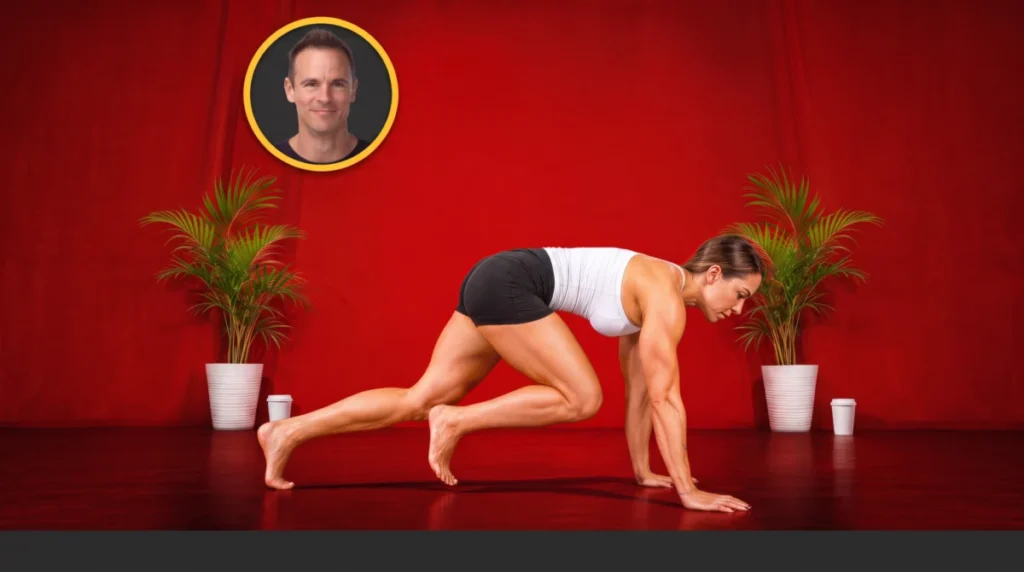
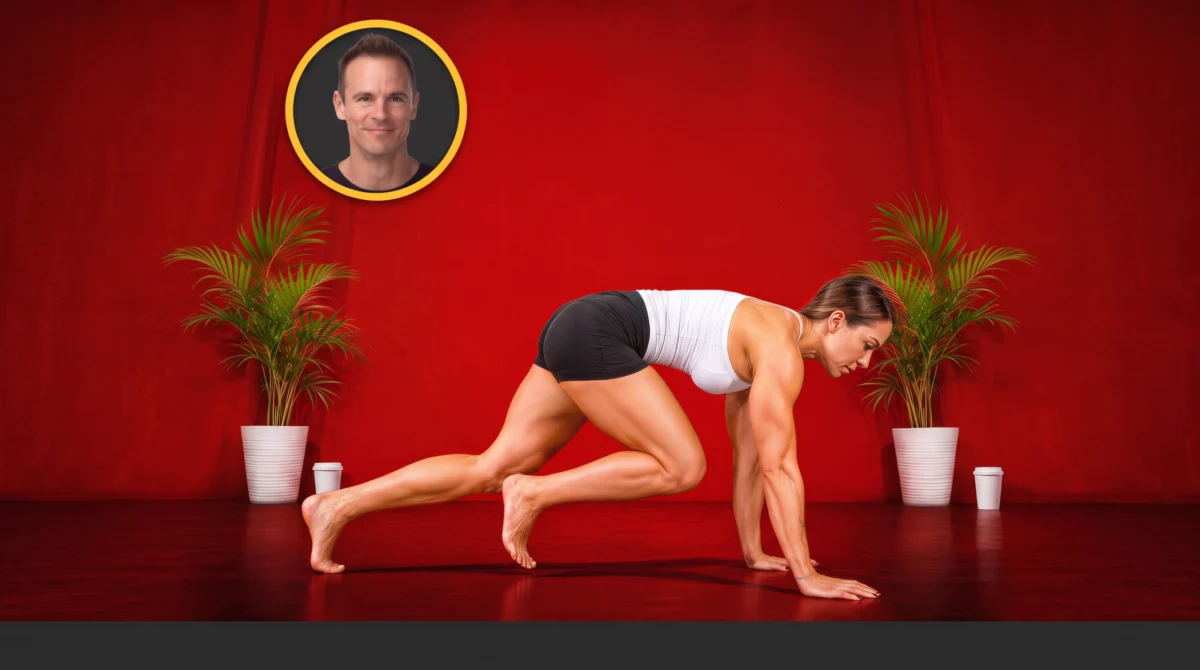
Long before an infant learns to stand and walk, crawling serves as the primary neurological blueprint for human coordination and cross-body integration. As adults abandon floor-based movement entirely, the neural connections linking the left and right sides of the body weaken, overall spatial awareness dulls, and the ground is relegated strictly to children’s territory.
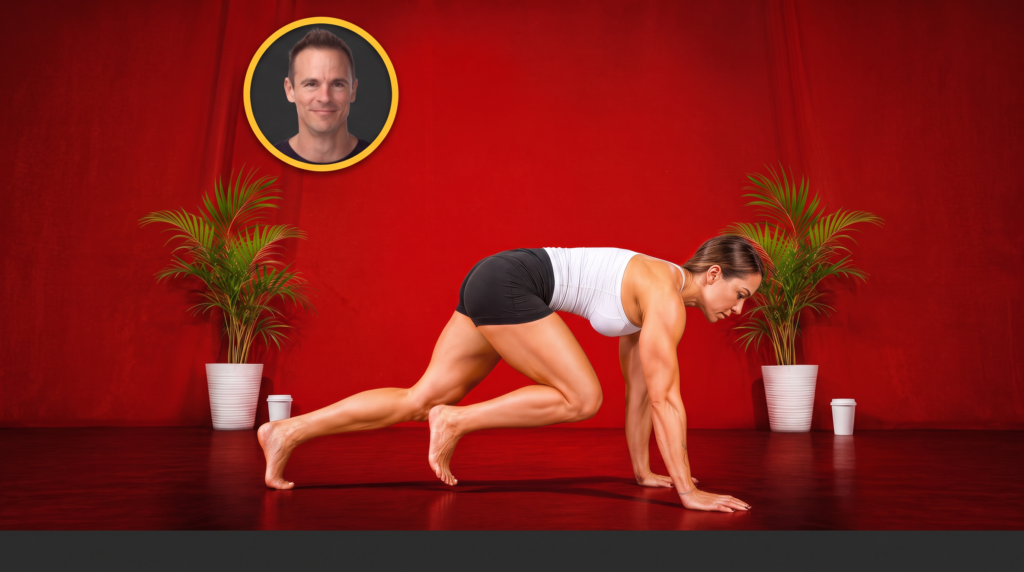
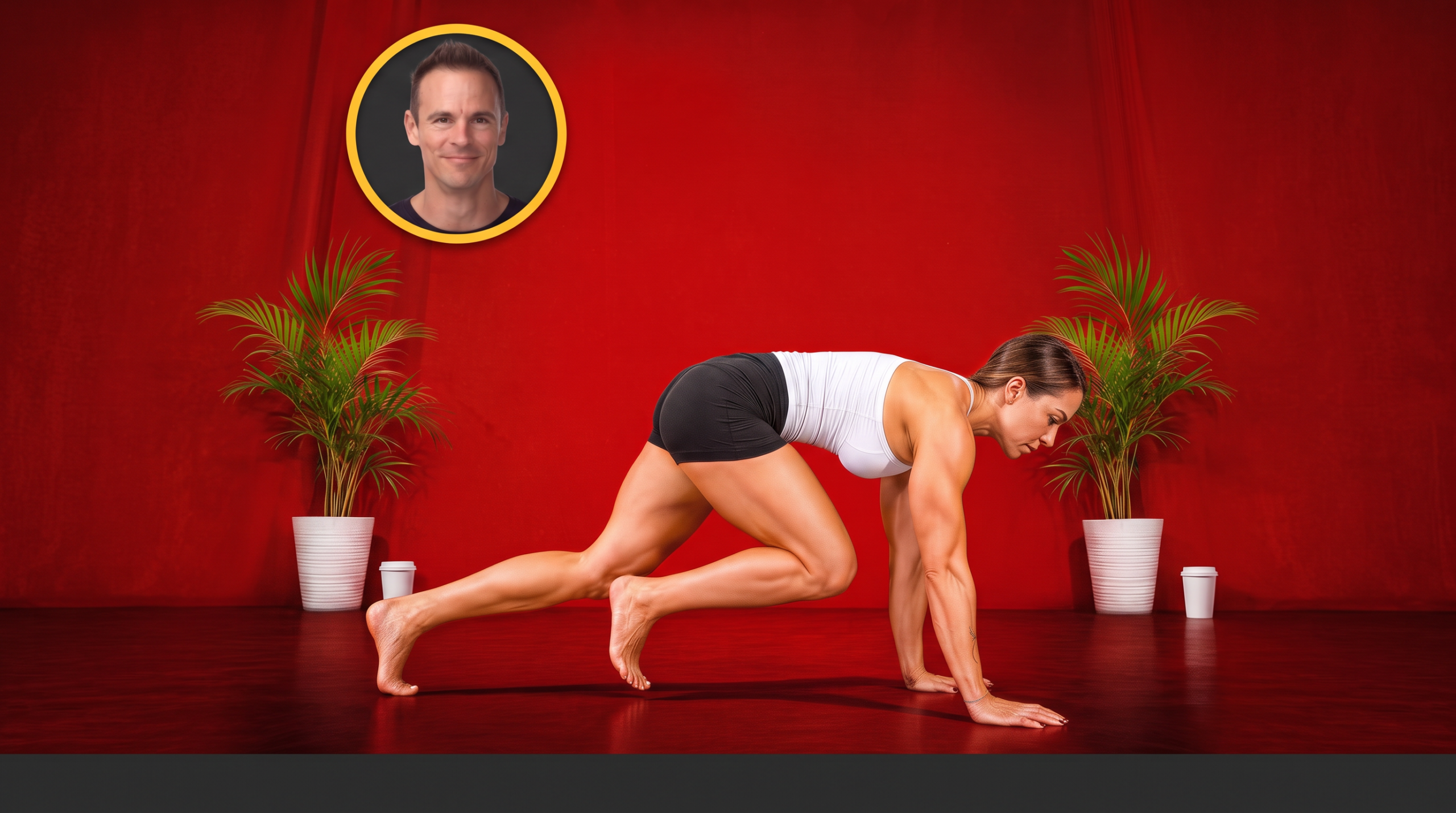
Few physical activities challenge total-body strength, multi-planar coordination, joint mobility, shoulder stability, and core endurance simultaneously quite like crawling. The assessment involves dropping onto hands and feet with the knees hovering just an inch above the ground and moving forward and backward for ten continuous steps, noting whether the execution is smooth or clumsy. This practice underscores the foundational principle that a relaxed, adaptable body invariably moves better and more safely than a rigid, tense one.
Assessing the Path Forward
Reflecting on these five foundational movements and their respective diagnostic tests, the coach suggests that individuals pay close attention to whichever test proved the most difficult. That specific deficit represents the individual’s primary physical priority—an area that warrants daily, deliberate practice until the movement feels fluid and unhindered.
Ultimately, this philosophy extends far beyond simple physical fitness metrics or specific exercise selections. The overarching objective is the preservation of physical independence across all stages of life, ensuring that individuals retain the capacity to interact effortlessly with their environment, whether that means playing on the floor with grandchildren, recovering balance after an unexpected trip, or managing the physical demands of daily living well into later decades.