
Much like the everyday journey from Point A to Point B, there is rarely just one designated path to achieving a desired objective. When commuting to work in the morning, individuals rely on a variety of methods depending on their circumstances. Some choose to walk if their destination is close by, while others prefer to drive cars, ride motorbikes, or rely on public transportation. What ultimately separates commuters when choosing a mode of transport are practical variables such as geographical distance, vehicle ownership, financial considerations, and time efficiency. For instance, a short commute makes walking the most logical option, whereas a longer distance often demands a faster or more cost-effective transit solution.

The exact same foundational principles apply directly inside the ring when practicing the ancient art of Muay Thai. Fighters utilize whatever physical and technical tools they have at their disposal, provided those assets fulfill the overarching goal of efficiency, convenience, and success in combat. Just as commuters possess different means of travel, martial artists possess distinct physiological traits. Not every practitioner is blessed with long limbs, towering height, or elite natural athleticism, while others might find themselves searching for raw punching power. The primary key to unlocking a fighter’s true potential lies in recognizing their unique physical composition and leveraging those exact attributes to their distinct advantage.
Understanding and Developing Your Style

Grasping which specific fighting style works best for an individual is a complex process that cannot be accomplished overnight. In the realm of Muay Thai, the journey toward athletic and technical development demands immense time, consistent effort, and unwavering patience. Sharpening offensive weapons and identifying defensive vulnerabilities requires rigorous, constant practice, repetitive drilling, and critical feedback from experienced coaches and dedicated training partners. Beginners often harbor misconceptions about their own capabilities, mistakenly believing that their body type and skill set align with a particular style of fighting, only to discover through rigorous testing that they were entirely wrong.
Newcomers to Muay Thai must first master the fundamental building blocks of the sport before they can even begin to think about refining the finer points of their attacking and defensive arsenals. Once these essential stages of a fighter’s athletic development are successfully achieved, a practitioner will find ample time to concentrate on working toward a more sophisticated and effective combat style.

While there are no shortcuts on the road to martial arts proficiency, there are proven methods to enhance operational efficiency, improve striking accuracy, and minimize exposure to vulnerabilities inside the ropes. The only legitimate pathway to discovering the right style and comprehending the sport through the lens of an advanced competitor is to work systematically through the foundational stages first.
Using Your Body to Your Advantage
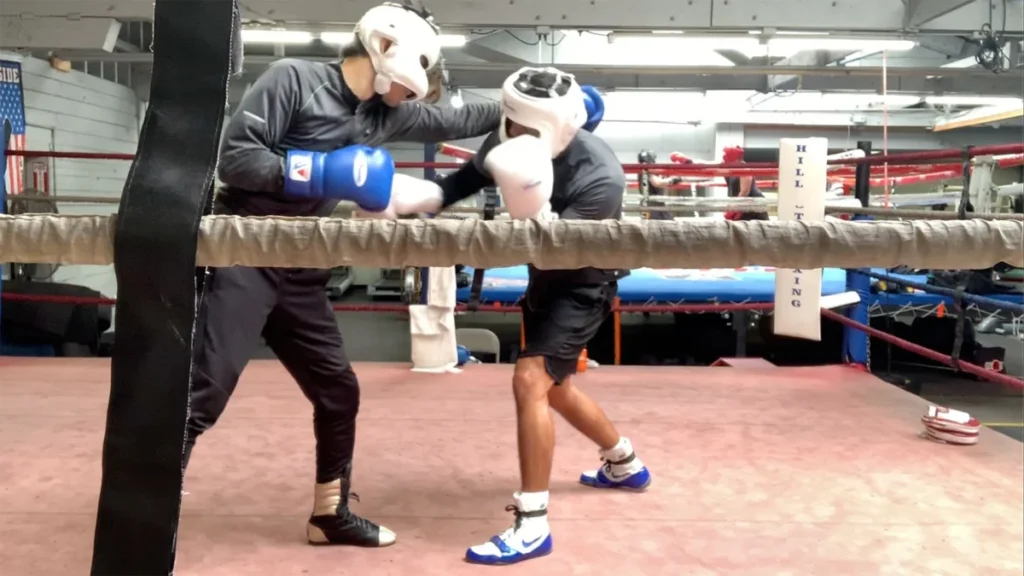
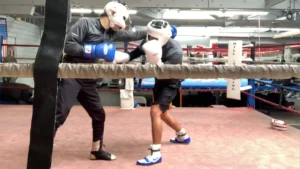
Once a student has firmly nailed down the fundamentals and reached a level where they are engaging in regular sparring sessions—and potentially even stepping into the ring for official bouts—they should receive deeper technical guidance from their trainers and peers. One of the most valuable contributions a true coach can make to a fighter’s progression is teaching them how to capitalize on their specific body type and natural physical attributes.
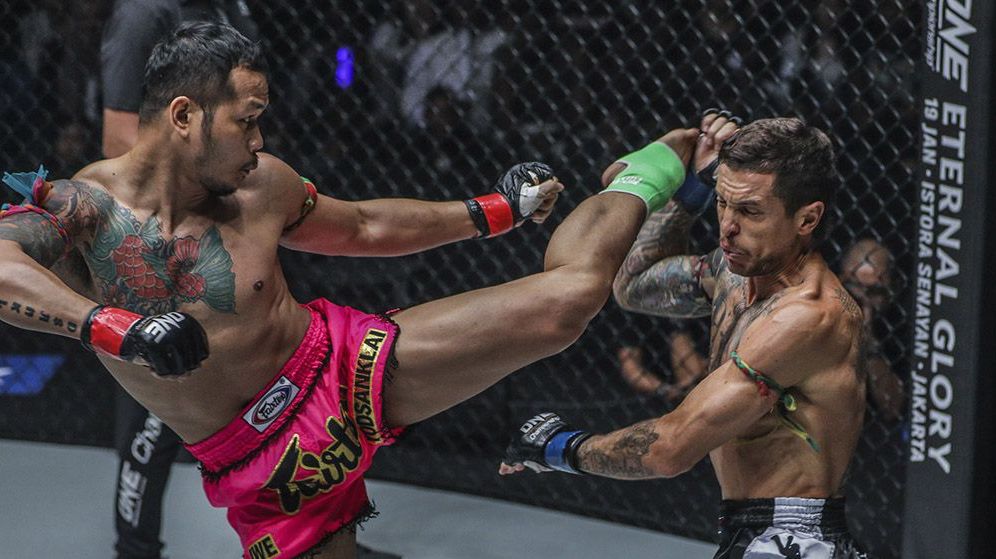
For example, a competitor who is relatively short in stature but possesses quick footwork, high-speed movement, and advanced technical skills—yet lacks devastating one-punch power and the durability to absorb heavy impacts—might naturally gravitate toward the Muay Femur, or technical fighting style. At the same time, experts note that this is arguably the most demanding and difficult style to master.

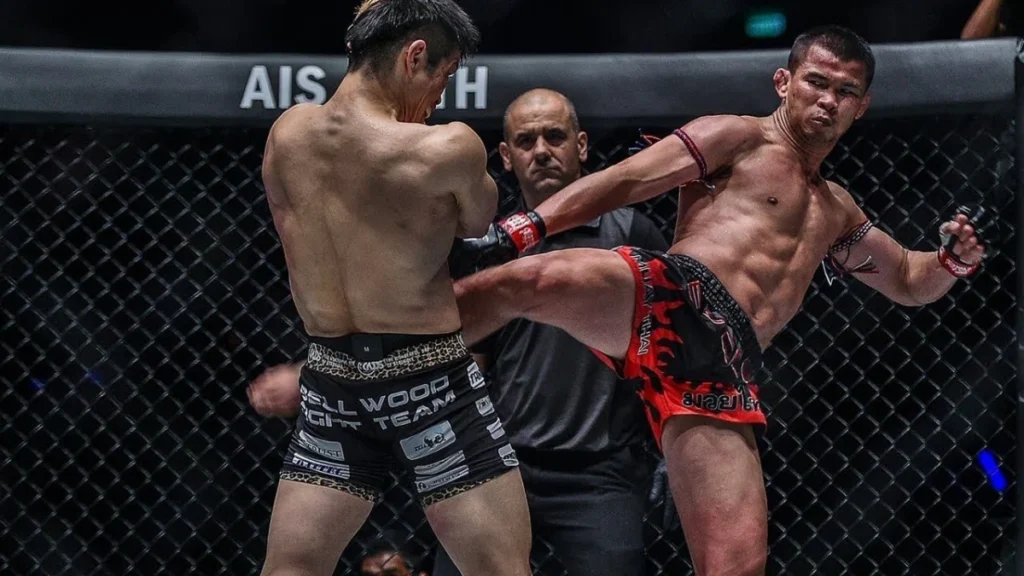
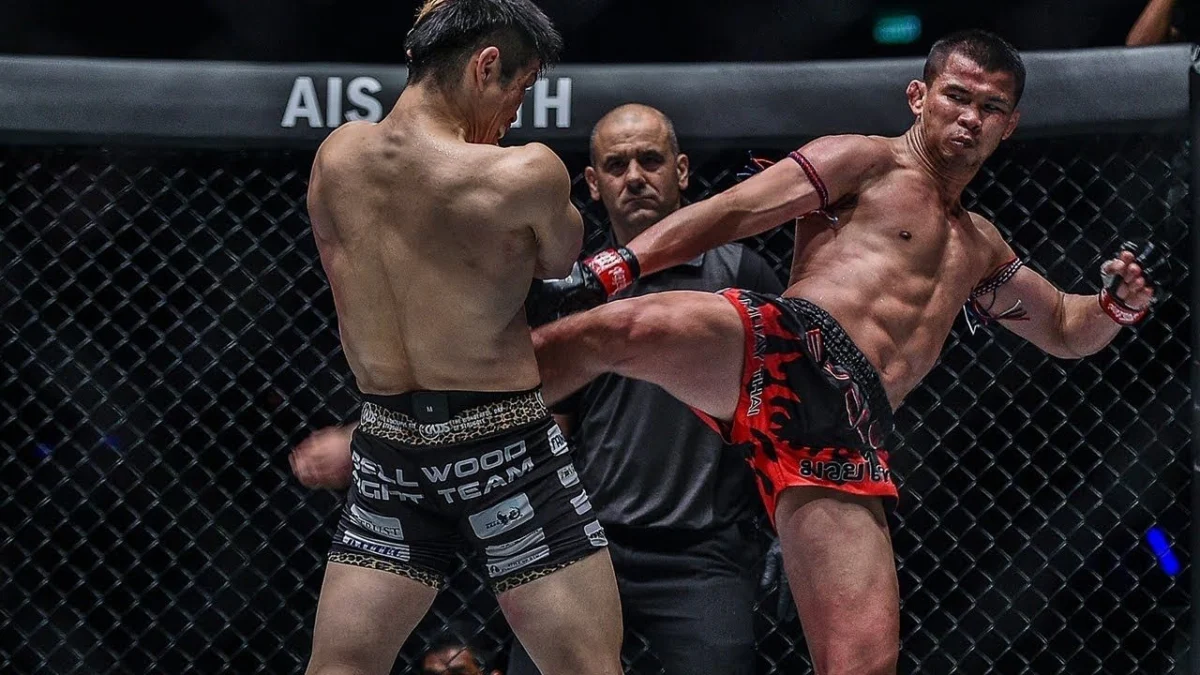
Conversely, a tall and rangy fighter who demonstrates an exceptional ability to score with knees and elbows while operating effectively on the inside of the clinch is far better suited for the Muay Khao, or knee fighter, style. A smaller competitor who routinely struggles against taller adversaries and lacks the leverage to cause significant damage from close range would find the Muay Khao style entirely counterproductive. Their physical dimensions simply do not align with the structural demands of that specific tactical approach.
A critical milestone for beginner and intermediate competitors is achieving a realistic understanding of their own body type. Practitioners frequently admire legendary fighters and attempt to incorporate those specific skill sets into their own repertoires. However, a fighter with a long, rangy frame would gain very little by trying to emulate a style built for a completely different anatomical structure.
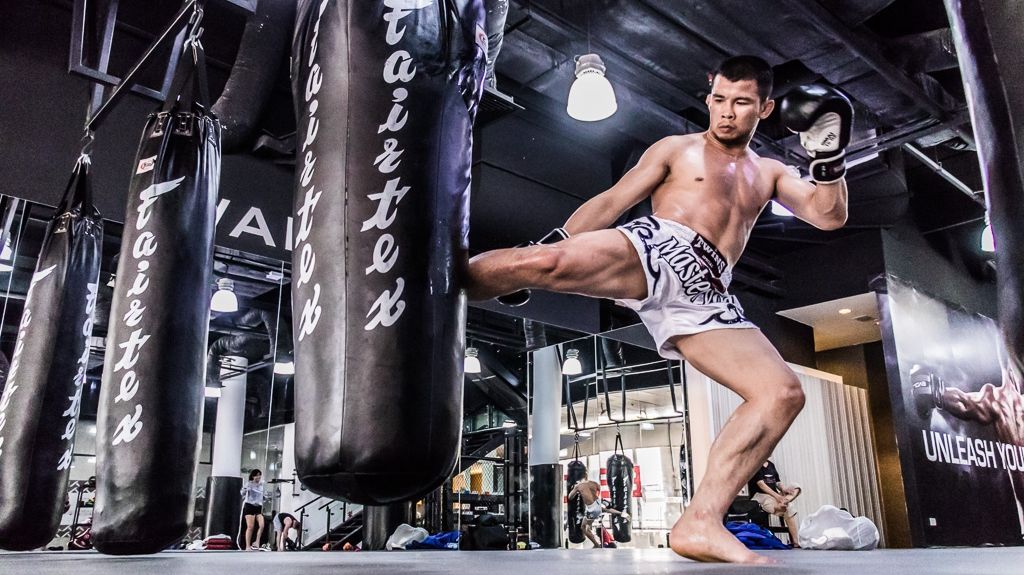
Doing Your Homework
The mentorship and active input of trainers and teammates are vital components of any martial artist’s progression. It is essential to surround oneself with individuals who foster genuine athletic development. However, fighters must also be willing to put in the hard work independently. Expecting anyone to hold a student’s hand through every minute of pad work, heavy bag training, or technical problem-solving is unrealistic.

Athletes must be fully prepared to conduct their own homework when searching for the fighting style that best suits them. Some lessons along the way will inevitably prove painful—such as discovering that shorter limbs are not ideally suited for fighting exclusively from the outside. Yet, a smart, passionate fighter who approaches their training with diligence will ultimately achieve their goals.
It is equally important to invest time in reading about the diverse historical styles of Muay Thai to understand how they were designed to function. Expanding one’s knowledge base through literature, instructional videos, and detailed technical breakdowns of how legendary champions executed these styles to perfection will greatly accelerate a competitor’s progress. While training partners and sparring sessions provide invaluable real-time lessons, investing time in the theoretical framework of Muay Thai is just as critical.

Observing archival footage of the sport’s greatest legends helps students analyze how past masters maximized their specific physical attributes. Aspiring competitors are encouraged to pay close attention to the height, reach, and body types of historical icons, noting whether those champions placed a primary emphasis on raw power, high-volume output, or specialized striking techniques.
Putting it All Together

The opening phases of any martial arts journey should be characterized by enthusiasm and optimism. Minor setbacks, physical knocks, and moments of self-doubt are entirely normal components of athletic growth. Every small obstacle should be viewed as a practical test of character and an evaluation of an individual’s commitment to succeeding. In combat sports, as in life, overcoming failure serves as the precursor to almost every noteworthy success story.
Through proper application, consistent dedication, and respect for the discipline, practitioners will gradually discover which techniques yield results inside the ropes and which do not. Muay Thai demands complete dedication and returns rewards in direct proportion to the effort invested by the athlete.