


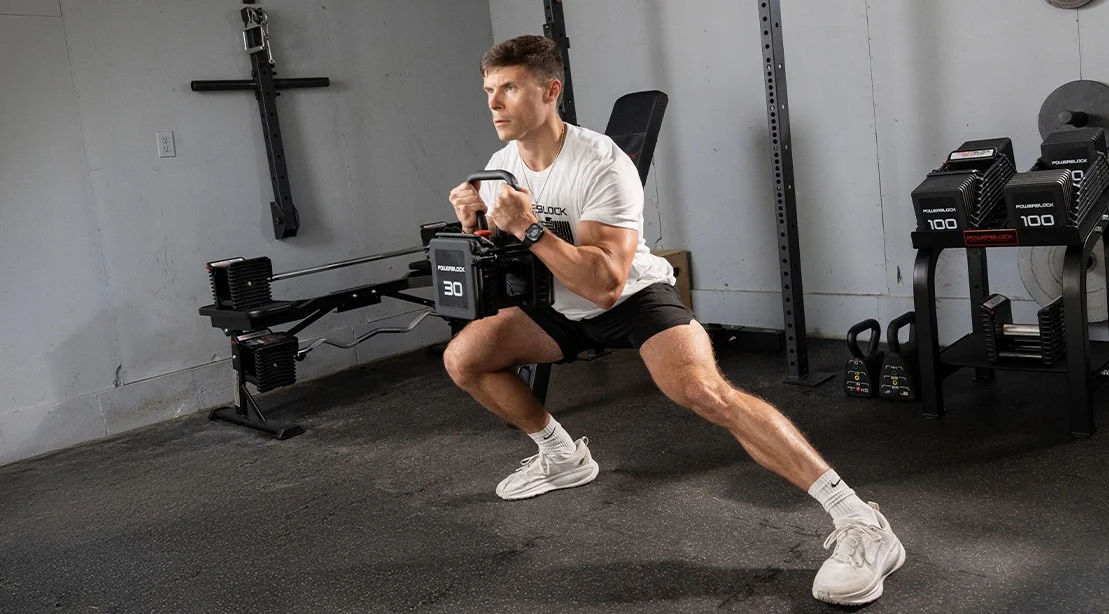
Strength training has long transcended the aesthetic boundaries of bodybuilding, emerging as a foundational pillar for overall health, longevity, and physical function. Modern research consistently underscores the profound benefits of incorporating resistance training into a regular fitness routine, linking it not only to muscle hypertrophy and increased metabolic rate, but also to improved bone density, enhanced joint stability, and better long-term functional independence. Despite these well-documented advantages, the practical hurdles of maintaining a consistent strength training regimen often derail even the best-intentioned fitness enthusiasts. Finding the necessary time to commute to a commercial facility, navigating crowded weight rooms during peak hours, and securing dedicated physical space for heavy equipment represent significant barriers to entry.
In response to these perennial challenges, the concept of the home gym has experienced a massive surge in popularity, evolving from a makeshift arrangement of rusty plates in a damp basement into a sophisticated, highly optimized training environment. Home fitness allows individuals to reclaim their schedules, eliminating transit time and granting absolute autonomy over their workout hours. Furthermore, contemporary fitness equipment design has matured rapidly, offering compact solutions tailored specifically to residential spaces where square footage is at a premium. Yet, for those embarking on the journey of building a home training sanctuary from scratch, a fundamental question immediately arises: What equipment is truly essential to yield meaningful results without overwhelming the available living space?
A Closer Look at Adjustable Dumbbells and Space-Saving Engineering
For decades, the standard approach to dumbbell training involved purchasing an extensive rack spanning increments from five pounds up to fifty pounds or more, consuming considerable floor space and representing a substantial financial investment. Enter adjustable dumbbells, an engineering innovation that has fundamentally transformed how home gym owners approach resistance training. Instead of requiring a separate pair of heavy irons for every distinct exercise and strength level, adjustable systems allow users to dynamically alter the resistance load on a single, compact set of handles.
This consolidation of equipment drastically reduces the physical footprint required for a comprehensive free-weight station while supporting nearly the entire spectrum of movements traditionally performed with a full traditional rack. Lifters can seamlessly transition from heavy compound movements like flat bench presses and bent-over rows to isolation exercises such as bicep curls, lateral raises, and dynamic lower-body patterns like lunges and Bulgarian split squats. However, integrating adjustable dumbbells into a routine requires a certain level of adaptation. Because of their internal mechanisms, wider profiles, and distinct handle structures, adjustable dumbbells can feel markedly different from traditional solid cast-iron or urethane dumbbells. Their grip thickness, overall length, and the specific methodology used to select and lock weights vary significantly across different manufacturers, making it crucial for trainees to carefully evaluate which weight ranges and mechanical systems best align with their biomechanical preferences and specific training objectives.
Adjustable dumbbells are far from a recent fad; the technology has evolved over the past several decades as manufacturers continually refine their designs to make weight transitions faster, more secure, and less cumbersome. Among the pioneering companies operating in this specialized market is PowerBlock, a brand founded by Carl Towley in Owatonna, Minnesota, back in 1993. Towley’s breakthrough conceptualization relied on a nested weight stack architecture paired with a magnetic selector pin, allowing users to rapidly change loads by simply dropping a pin into the desired weight slot rather than spinning dials or unscrewing collars.
This foundational design philosophy was engineered to house multiple resistance tiers within an exceptionally compact footprint, addressing the exact spatial constraints faced by urban apartment dwellers and suburban homeowners alike. Over the years, PowerBlock’s product ecosystem has diversified to include both non-expandable models—which feature a fixed resistance range that cannot be altered beyond purchase specifications—and expandable configurations. Expandable sets provide a strategic entry point for developing lifters; consumers can purchase a base model matching their current strength profile and subsequently purchase modular expansion kits as their physical capacity grows, ensuring the equipment scales alongside their long-term progression without necessitating an entirely new purchase.
Engineering and Expansion in Modern Dumbbell Lineups
Within PowerBlock’s contemporary catalog, two prominent models illustrate the engineering evolution of adjustable free-weight systems, catering to different phases of strength development and spatial requirements. The Pro 100 EXP stands as a robust option for serious lifters, starting at a manageable baseline of 5 pounds per dumbbell and scaling all the way up to a formidable 100 pounds per dumbbell with the integration of specialized expansion kits. Depending on the precise configuration of the weight plates, incremental weight adjustments range from approximately 2.5 to 5 pounds, granting lifters the granular control necessary for progressive overload. These models feature urethane-coated weight plates that help dampen sound and protect floors, alongside ergonomic grip options designed to enhance comfort during high-rep sets. Most notably, a fully expanded set of Pro 100 EXPs is engineered to replace up to 30 individual pairs of traditional dumbbells, effectively condensing an entire commercial gym rack into a small corner of a room.
Complementing this offering is the Elite USA 90, which delivers a similarly dense spatial efficiency with a maximum capacity of up to 90 pounds per dumbbell. Constructed using domestically manufactured steel weight plates, the Elite USA 90 series offers micro-loading capabilities via 2.5- to 5-pound increments, facilitating steady, methodical strength gains. According to company specifications, this single compact footprint replaces roughly 28 individual traditional dumbbells, consolidating an astonishing 825 pounds of loose free weights into a streamlined, self-contained unit.
Having spent more than thirty years at the forefront of the adjustable-dumbbell market, PowerBlock maintains a corporate mission centered on democratizing access to versatile, high-grade fitness tools for individuals at every chapter of their physical conditioning.
“Our focus is to provide high-quality, versatile fitness equipment for people at every stage of their fitness journey, whether they’re just getting started or continuing to pursue their goals,” explains Josh Leake of PowerBlock. “Looking to the future, our goals are to keep providing premium home fitness equipment and continue to innovate to serve our customers best.”
Evaluating Adjustable Systems for Your Personal Training Space
Deciding whether to invest in an adjustable dumbbell system ultimately depends on individual training habits, spatial limitations, and long-term fitness aspirations. For individuals who live in compact homes, apartments, or multi-use rooms where a full rack of traditional free weights is entirely impractical, adjustable sets offer a pragmatic compromise that sacrifices virtually nothing in terms of training efficacy. They provide the heavy loading capacity required for progressive muscle building while keeping living spaces orderly and functional.
Before committing to a purchase, prospective buyers are encouraged to thoroughly research several critical variables. Comparing the total available weight range, the mechanical reliability and speed of the adjustment system, the overall dimensions of the weights during various exercises, and the availability of future expansion kits will ensure the chosen equipment remains viable as strength levels increase over time. Price points and warranties also warrant careful consideration, as premium home gym apparatuses represent a long-term investment in personal health.
Ultimately, constructing a functional and sustainable home gym does not require an overwhelming array of specialized machines or complex layouts. By starting with versatile foundational equipment that precisely matches available square footage, financial budget, and personal physical goals, trainees can establish a rock-solid routine. From there, fitness enthusiasts can continue to build out their training space organically, ensuring that their home environment remains an inspiring and effective hub for lifelong health and physical capability.