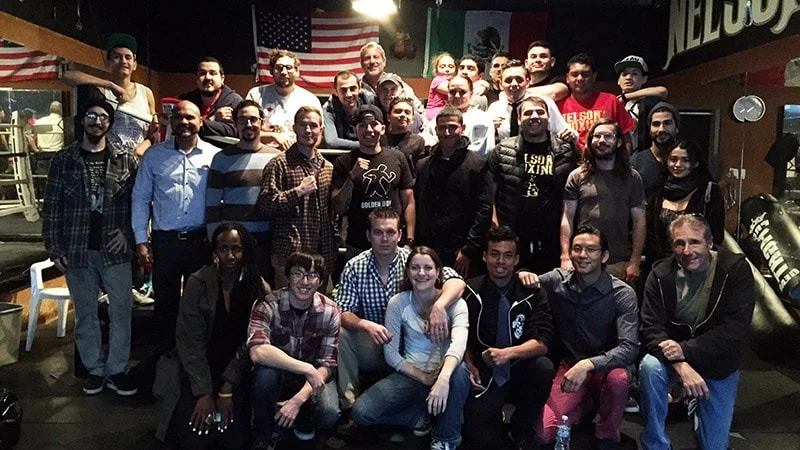
For many fitness enthusiasts living outside major metropolitan areas, the traditional hurdles of finding a nearby boxing gym, an experienced coach, or even a willing sparring partner can feel insurmountable. Commercial fitness centers often lack the specialized equipment, authentic culture, or community atmosphere required to truly master the sweet science. However, a growing movement among amateur boxing advocates demonstrates that aspiring fighters do not need a commercial facility to launch a thriving pugilistic community.
Reflecting on a decade-long journey that saw a modest backyard initiative expand into a vibrant organization boasting over 300 members, sports organizers emphasize that building a local boxing club offers a unique blend of fun, personal freedom, and camaraderie that commercial gyms rarely replicate. What often begins as an informal workout between two acquaintances can steadily evolve into a close-knit social hub, spawning lifelong friendships and deeply rooted community connections.
The foundation of any grassroots boxing collective begins long before securing a commercial lease or professional coaching staff. Veteran organizers point out that the initial phase relies entirely on self-education and passion. Utilizing digital resources, aspiring club founders can explore a wide array of instructional videos and historical archives to understand the sport. Rather than attempting to emulate a single iconic fighter—an approach coaches warn can severely limit an athlete’s development—beginners are encouraged to study diverse styles and historical contexts. Boxing history is deeply intertwined with broader cultural movements, influencing fashion, music, politics, and humanity at large, providing a rich backdrop for anyone looking to share the sport with others.
Practicality remains the ultimate driver of early growth. Establishing a club requires nothing more than a single willing partner of any fitness level or physical build. Once two individuals commit to training together, consistency becomes paramount. Selecting a regular schedule—preferably on a predictable weekday afternoon or evening when participants are free from weekend social obligations—helps cement the routine. Founders note that timing training sessions around local transportation and post-workout meals significantly enhances group cohesion. Grabbing dinner together after a grueling session is widely regarded as the single most effective catalyst for building genuine camaraderie.
Choosing the right training venue requires a degree of spatial creativity. Early-stage clubs often alternate between public parks and private spaces, each offering distinct advantages. Public training sessions in local parks invite curiosity from passersby, creating organic opportunities to recruit new members and expand the community. Conversely, private settings afford complete control over the atmosphere, allowing participants to spar without alarming the general public and enabling custom playlists free from outside distractions.
Equipment acquisition follows a similarly organic trajectory. Rather than investing heavily in commercial-grade gear from the outset, new clubs typically rely on basic essentials, gradually expanding their inventory through secondhand purchases or donated equipment. Social media platforms play a pivotal role in this expansion. By documenting training progress and sharing lighthearted, inclusive workout footage rather than intimidating knockout highlights, founders can demystify the sport. Organizers stress the importance of portraying boxing as an accessible hobby focused on fitness and fun, which helps alleviate the common fear of injury among newcomers. While public platforms occasionally attract cynical commentators or online trolls, experienced community builders advise ignoring external negativity and focusing on local engagement.
As a core group of five to ten dedicated members establishes itself, organic growth often accelerates rapidly. New participants introduce friends, roommates, coworkers, and family members, transforming an exclusive circle into a diverse and bustling community. Maintaining an inclusive atmosphere is critical during this growth phase. Founders emphasize that welcoming individuals of varied athletic backgrounds, body types, and experience levels often yields unexpected rewards, turning hesitant beginners into dedicated athletes. At the same time, maintaining clear boundaries against aggressive or disruptive behavior ensures the training environment remains safe and welcoming for everyone.
To sustain momentum as the group expands, successful clubs establish consistent routines and clear cultural norms that reflect the personality of their leadership. Recognizing the diverse needs of participants, mature clubs often accommodate varying levels of engagement. Even members who prefer not to participate directly in sparring or intense conditioning find valuable roles within the community, managing social media channels, handling music playlists, or assisting with equipment and logistics. This inclusive approach ensures that every attendee feels valued, reinforcing the familial bond that defines grassroots sports clubs.
Ultimately, the evolution of a local boxing club from a casual meetup into an established community demonstrates that success relies far less on advanced boxing credentials than on genuine enthusiasm and inclusive leadership. By fostering a welcoming environment and sharing a passion for the sport, organizers can transform a simple training routine into an enduring local institution.