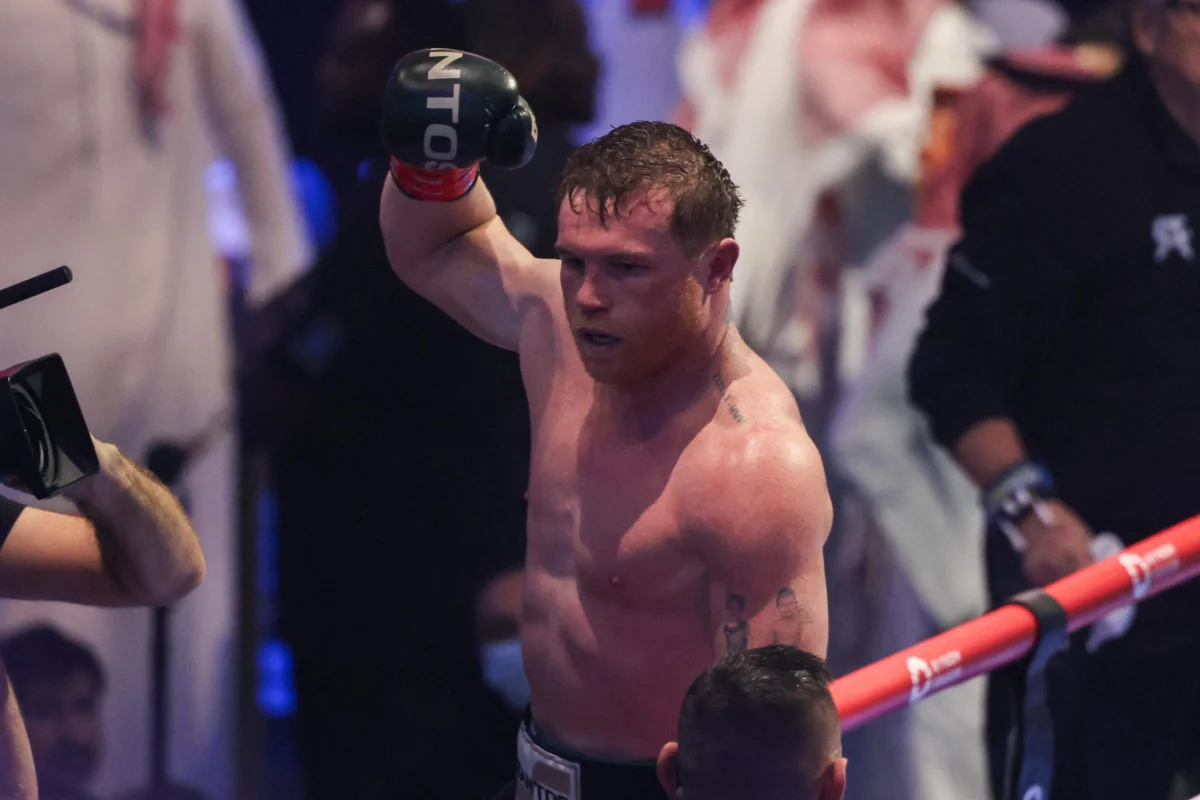
The debate over the twilight of an all-time great’s career is a familiar ritual in professional boxing. As Saul "Canelo" Alvarez navigates the later stages of his illustrious career, observers and analysts universally acknowledge that the Mexican superstar is no longer operating at his absolute physical peak. Yet, even with a slight dimming of his once-invincible aura, a pressing question lingers over the super-middleweight and middleweight divisions: looking at the current boxing landscape, is there anyone at 168 pounds, or capable of moving up from 160, who genuinely possesses the tools to defeat Canelo Alvarez?
To explore this compelling query, a panel of boxing writers and analysts recently weighed in on the real-world prospects, potential stylistic matchups, and underlying vulnerabilities that define Canelo’s current standing in the sport.
Scott Christ
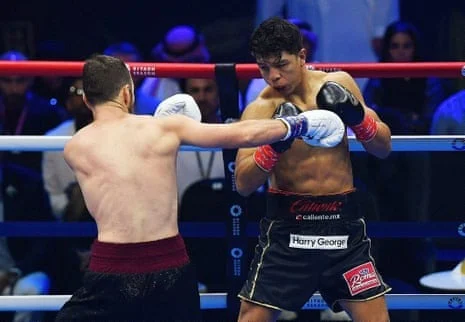
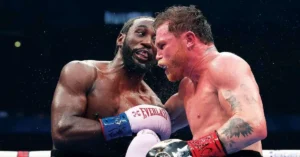
Reflecting on Canelo’s recent ring appearances, analyst Scott Christ notes that while the champion looked sharp in his outing against Christian Mbilli, the outcome never felt truly in doubt. Christ points out that even against a faded version of Canelo, beating him requires an exceptional fighter equipped with a very specific stylistic approach—criteria that Mbilli simply did not meet.
Looking ahead at other potential contenders, Christ remains skeptical. While he acknowledges that a fight with Lester Martinez is a matchup he wouldn’t mind seeing—given that Martinez has earned his stripes as much as anyone can in the politics of boxing—he remains unconvinced on paper. Martinez may not represent a zero percent chance of victory, but the analytical forecast leans heavily away from an upset.
Other names circulating in the division present their own complications. Hamzah Sheeraz has been heavily pushed by promotional entities like Turki Alalshikh’s sphere of influence, yet Sheeraz’s somewhat uninspiring performances in previous bouts fail to instill absolute confidence. Meanwhile, surging contenders like Osleys Iglesias represent a fascinating wild card, but stepping up to face Canelo would be a massive leap in competition—essentially the exact same steep trajectory Mbilli recently faced. Christ notes that while fighters emerging from regional circuits like Quebec are talented, their records are rarely padded with elite, world-class opposition.
Ultimately, Christ’s assessment of the immediate future is blunt: no one currently active at 168 or 160 pounds projects as a definitive threat to defeat Canelo in his very next outing. While a few young contenders might reach that echelon in due time, the timeline of boxing waits for no one, and the sport is not looking two or three years down the road.
Wil Esco
Delving deeper into the philosophical and physical realities of aging champions, Wil Esco introduces a crucial distinction in the analysis: the difference between what a fighter would do and what they could do on any given night.
Esco observes that while Canelo displayed exceptional reaction time, sharpness, and defensive mastery against Mbilli, aging elite athletes do not suddenly forget how to fight. Instead, the hallmark of athletic decline is a lack of consistency. Much like a veteran starting pitcher in Major League Baseball, an aging Canelo still possesses days where his "best stuff" flashes brilliantly, allowing him to dominate the opposition. However, he can no longer summon that peak performance on a predictable, night-in-night-out basis. When he falls short of his absolute best, the door opens for a live underdog to capitalize.
Breaking down the probabilities through an analytical lens, Esco estimates a zero percent chance that fans will ever witness a prime, peak-form Canelo superior to what has already been seen. At best, there is roughly a 35 percent chance he can replicate his most recent high-level form, contrasted with a 65 percent probability that a given night will feature a slightly diminished version of the champion.
If Canelo can successfully duplicate his recent performance, Esco doubts that any active 160-to-168-pound fighter would defeat him right now. However, given the statistical likelihood of an off-night due to age, the door opens for fighters who could potentially pull off an upset. Esco points to names like Yoenli Hernandez, and to a lesser extent Carlos Adames or Hamzah Sheeraz, as fighters who might make things interesting, though a definitive victory remains far from guaranteed.
John Hansen
For John Hansen, the conversation naturally draws parallels to historical rivalries, prompting a cheeky nod toward Erislandy Lara. Given the immense controversy surrounding Lara’s razor-thin split decision loss to Canelo years ago, some might wonder if a rematch is warranted. However, Hansen quickly dismisses the notion, noting that Lara did not truly win that initial encounter, and a 43-year-old Lara moving up to super middleweight in 2026 presents no realistic threat to the unified champion.
Surveying the current landscape, Hansen identifies only one fighter at the weight class with a compelling argument for a title shot: Osleys Iglesias. Although taking on Canelo would represent a staggering leap in competition, Iglesias has faced roadblocks in securing major fights precisely because he looks so dangerous and formidable. Historically, the fighters who have troubled or defeated Canelo—officially or unofficially—combined exceptional technical skill with enough concussive stopping power to demand absolute respect. Iglesias appears to check both of those vital boxes, making him the most intriguing candidate on the table.
Beyond the immediate super-middleweight division, Hansen suggests that analysts might need to look further down the weight classes—perhaps pondering whether elite talents operating at 154 pounds, such as Jaron "Boots" Ennis or Sebastian Fundora, could eventually find success moving up, as the traditional middleweight division currently lacks any realistic threats.
Patrick Stumberg
In evaluating the ghosts of what might have been, Patrick Stumberg offers a stark reminder of the division’s biggest missed opportunity: David Benavidez. For Stumberg, Benavidez represented the ultimate blueprint for defeating Canelo. The formula for solving the Mexican star has always relied on relentless pressure, refusing to let him settle into a comfortable rhythm. Benavidez possessed the ideal physical and stylistic toolkit to execute this strategy, boasting height, reach, high punch volume, blinding hand speed, varied offensive combinations, and a criminally underrated defense.
The catastrophic twist of fate—where Benavidez lost his WBC interim belt after failing to make weight just as Canelo embarked on his undisputed super-middleweight campaign—remains one of the most frustrating sliding-door moments in modern boxing history.
As for who can step into that role today, Stumberg narrows the viable candidates down to a very short list featuring Janibek Alimkhanuly and Osleys Iglesias. The traditional division leaders at 160 pounds, such as Carlos Adames and veteran stalwart Erislandy Lara, offer little indication that they can solve the Canelo puzzle. Meanwhile, names at 168 like Diego Pacheco and Hamzah Sheeraz have largely looked pedestrian when matched against lesser competition, signaling an apparent reluctance to step into the fire. While Lester Martinez remains a plausible next challenger if boxing politics prevail, Stumberg remains unswayed after analyzing Martinez’s own showing against Christian Mbilli.
This leaves Alimkhanuly and Iglesias as the most intellectually stimulating options. Alimkhanuly boasts the technical pedigree required to dissect Canelo’s hyper-optimized defensive shell, alongside the physical capability to exploit any discovered weaknesses. Iglesias may lack the deep amateur credentials of some peers, but his explosive speed, heavy hands, and devastating jab provide the kind of disruptive, power-punching weapon capable of tilting a fight in his favor. Even so, when the final prediction is cast, the weight of expectation still favors Canelo over either challenger.