
Since its inception in 2010, SportsPro’s annual 50 Most Marketable Athletes (50MM) ranking has served as a barometer for the shifting tides of the global sports business. Over the past sixteen years, nearly 350 unique athletes representing 35 sports and 61 nationalities have featured on the list. While athletes inevitably come and go and the underlying assessment model evolves year on year to keep pace with an ever-changing media and commercial landscape, certain structural pillars remain fixed.
American athletes consistently dominate the 50MM, a reflection of the sheer scale and economic significance of the United States sports market and its preeminent leagues. Sports such as soccer, basketball, tennis, and motorsport habitually secure the highest representation in any given year. Meanwhile, sportswear giant Nike almost invariably boasts a significantly larger roster of sponsored athletes within the ranking than any competing brand.
Yet, beneath these enduring constants, every annual iteration of the list surfaces new storylines that speak directly to the broader, macro trends shaping the global sports marketing industry. The newly unveiled 2026 ranking offers a fascinating window into how athletes are building their brands, connecting with global audiences, and navigating a rapidly modernizing commercial ecosystem.
A Fresher, More Global Complexion
The 2026 edition of the list showcases a notably diverse geographical footprint, featuring no fewer than 22 nationalities, with nine of those represented within the elite top ten. Although American athletes continue to prevail with a total of 16 entries, the overall top 50 carries a markedly fresh and international look that underscores the borderless nature of modern digital fandom.
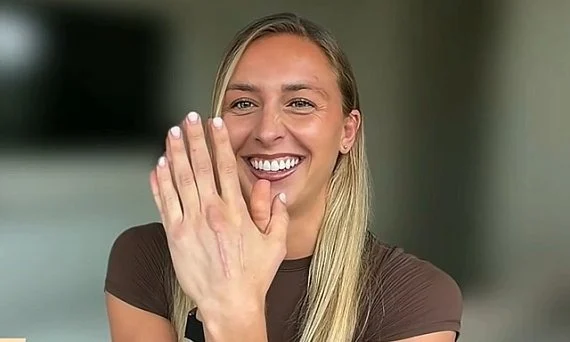
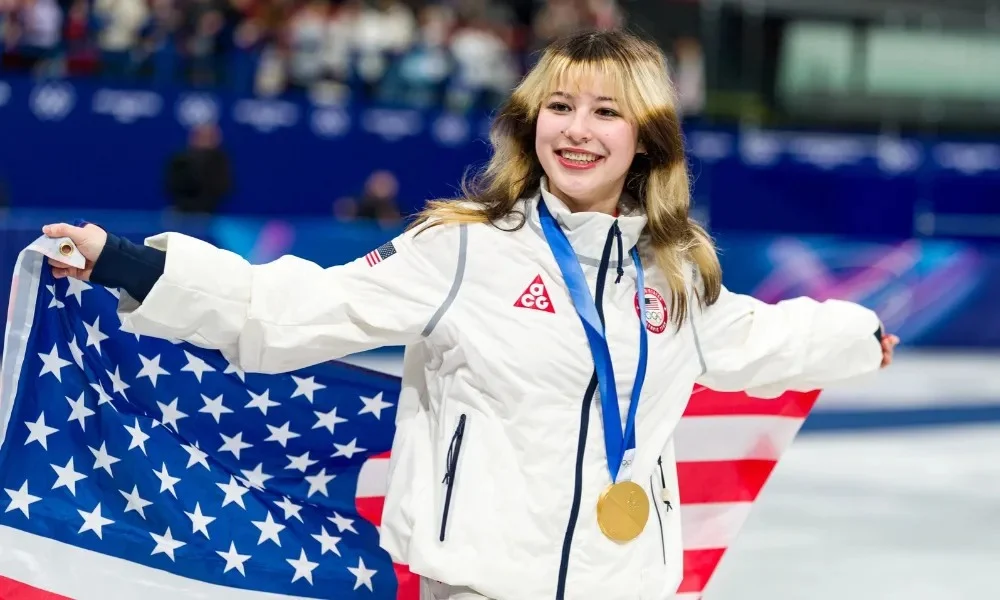
American figure skater Alysa Liu leads the charge as the highest-ranking new entry, sitting at number six following her gold medal-winning exploits at the Milano Cortina 2026 Winter Olympics. Other notable new entries making waves near the top of the list include standout National Basketball Association players Victor Wembanyama, AJ Dybantsa, and Jalen Brunson, who claim the seventh, tenth, and 11th positions respectively. They are joined by National Football League rookie Fernando Mendoza at number 25, English soccer star Alessia Russo at number 29, and American golfer Nelly Korda at number 33.

The 2026 ranking also marks a historic showing for cricket, placing five players from India directly into the top 50. Among them, Shubman Gill at number 13, Jemimah Rodrigues at number 31, Rishabh Pant at number 36, and Jasprit Bumrah at number 39 represent fresh additions to the list. Smriti Mandhana, sitting at number 37, stands out as the lone returnee from this contingent, having made three previous appearances in the ranking.
True to form, SportsPro’s list maintains its characteristically youthful complexion. This trait is particularly pronounced in 2026 because the assessment model used to compile the ranking prioritizes short-term momentum and trajectory over built-up brand equity. Because brand equity naturally takes years to develop, it typically favors established athletes deeper into their competitive careers. In contrast, this year’s model highlights those whose current upward trajectory is capturing the public imagination.
More than half of the top 50 athletes are under the age of 30, and 14 competitors are under 25. Washington Wizards forward AJ Dybantsa ranks as the most marketable teenage athlete in the world, while Brazilian skateboarder Rayssa Leal—who made her debut in 2025 and currently ranks 48th—stands as the youngest athlete in the top 50 at just 18 years of age.
Enter the Multi-Hyphenates
Elite athletes have long worn multiple hats, functioning simultaneously as brand endorsers, media personalities, product designers, entrepreneurs, investors, fashion icons, and occasionally actors. However, the 2026 data highlights a distinct evolution: the continued, accelerated rise of the athlete-creator.
Nearly half of this year’s top 50 athletes maintain their own dedicated YouTube channels, podcasts, or digital shows. This trend illustrates how modern sports stars are utilizing their personal media platforms to directly cultivate their brands, engage audiences, and reduce their reliance on traditional media gatekeepers.

Prominent figures such as Aryna Sabalenka, who claims the number one spot, and Erling Haaland, ranked fourth, have launched behind-the-scenes docuseries on YouTube, offering fans intimate glimpses into their rigorous lives as elite professional athletes. In the audio space, basketball stars Sophie Cunningham at number 28 and Angel Reese at number 30 have established themselves as notable podcasters, drawing substantial engaged followings.
In previous eras, athletes viewed mainstream broadcast coverage or a coveted magazine cover shoot as the ultimate endgame for building a media profile. Today, however, within the disintermediated ecosystem of social media, the savviest brand-builders treat the conventional media landscape as a broad reach-and-visibility tool. They use traditional media appearances to drive audiences back to their personal channels, where deeper engagement takes place.
In the contemporary creator economy, a direct and authentic relationship with an audience is paramount. This connection opens up lucrative monetization avenues through direct advertising and subscription-based models. Positioning oneself as an active creator not only enhances the value and activation opportunities of traditional brand partnerships but also extends an athlete’s commercial visibility and cultural relevance long after their competitive playing days have ended. Because compelling content and unique storytelling drive marketability, the world’s most marketable athletes are naturally taking ownership of their media profiles to control their own narratives.
Timing Is Everything
Olympians and top draft prospects are acutely aware of the temporary yet powerful marketing surge that accompanies major sporting events. Several names on the 2026 list spent the past 12 months capitalizing on pivotal breakout moments.
Alysa Liu’s social media following skyrocketed following her golden performances in Milan, directly fueling her high placement. Similarly, AJ Dybantsa and Fernando Mendoza, who secured the number one draft picks in the NBA and NFL respectively, rode the massive wave of public interest that naturally accompanies a transition into the professional ranks. Meanwhile, global household names like Eileen Gu at number two and Erling Haaland expanded their international footprints on the back of major sporting tournaments that fell within the evaluation window.

Another notable newcomer is MMA fighter Ilia Topuria, who enters the list at number 41. Topuria’s high-profile appearance at the UFC Freedom 250 event held at the White House in June generated widespread media attention and drove significant visibility for the Spanish fighter.
Given that athletic careers are inherently short and windows of opportunity are remarkably narrow for those competing at the highest level, striking while the iron is hot remains a vital commercial strategy. The 2026 assessment model explicitly rewards athletes who have capitalized commercially, factoring new brand partnerships and strategic contract renewals signed over the past year into their overall momentum scores.
The Swoosh Dominates Again
Commercial audits conducted by NorthStar tracked more than 1,700 publicly recorded brand partnerships across the 247 athletes evaluated in full this year, representing over 1,000 distinct brands. Unsurprisingly, every single athlete featured in the top 50 maintains at least one active brand partnership. While approximately two in five of these partnerships are with truly global brands, the majority remain regional in scope.
Within specific commercial categories, sportswear is near-universal among the top 50, with 47 athletes maintaining a formal deal with an apparel company. Dominating this space, Nike and its associated subsidiary brands boast 24 sponsored athletes on the list. Adidas trails as a distant second with eight sponsored athletes, while no other sportswear or apparel brand holds contracts with more than two athletes from the top 50.
Other commercial categories remain wide open for athletic endorsement. While luxury watches, automakers, and energy drinks enjoy strong representation across the cohort, only 16 of the top 50 athletes currently maintain a beauty or personal care partnership, leaving substantial room for market growth in those sectors.

One List, Many Personas
NorthStar’s Athlete Persona Model, initially introduced in 2025, has been further refined for the 2026 ranking. A persona defines the commercial profile type and geographical scope of an athlete’s market presence. It does not function as a secondary score, nor does it impact an athlete’s position in the numerical ranking. Indeed, athletes placed within the same persona category can differ wildly in their overall marketability.
Within this framework, every athlete is mapped onto an analytical grid similar to those used by investors to classify financial funds. One axis measures the scale of an athlete’s market footprint—classified as Large, Mid, or Small relative to the field of assessed athletes—while the other axis displays the investment style they represent, categorized as Growth, Core, or Value.
Each resulting cell on the grid carries a specific designation. Among the 2026 top 50, the distribution includes ten Icons, eight Franchises, eight Challengers, seven Risers, eight Mainstays, six Headliners, two Anchors, and two Contenders. NorthStar’s model additionally incorporates the reach of the athlete’s audience, categorizing it as Global, Multi-Market, Regional, or Local, to finalize their precise persona type. Consequently, a Global Icon and a Local Icon represent the same structural asset class operating on entirely different geographical stages.
Overall, 22 of the top 50 athletes possess an audience defined as global, while six reach a multi-market audience, ten maintain regional reach, and 12 operate with a predominantly local audience footprint. For sponsors, these personas serve as practical tools for portfolio construction. A sponsor’s corporate objectives, investment horizon, and risk appetite determine their target mix across the grid, helping narrow the field before evaluating specific athlete fits. NorthStar also evaluates each athlete on sponsor-facing lenses such as profile strength, commercial stability, reputation risk, and career runway, insights which are shared directly with brands during private consultations rather than published alongside the public ranking.